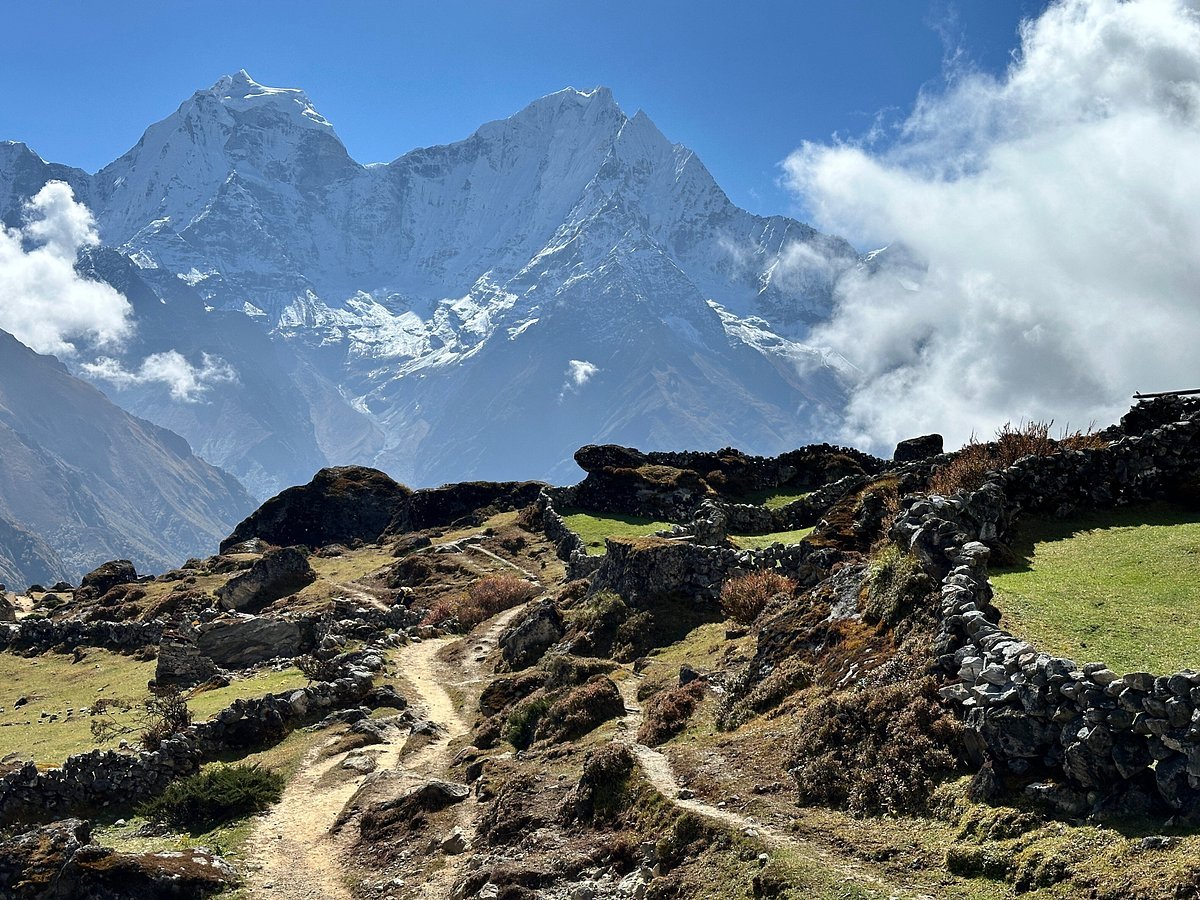
The Everest Three Passes Trek is one of the most complete and challenging trekking journeys in the Everest region, connecting the three major high passes of the Khumbu — Kongma La at 5,535 m, Cho La at 5,420 m and Renjo La at 5,360 m.
The route goes beyond the traditional Everest Base Camp trail, taking you through the remote valleys and high mountain landscapes of the Khumbu. Along the way, the trek combines Everest Base Camp, Kala Patthar, Gokyo Lakes and Gokyo Ri with three demanding high-pass crossings.
Starting from Lukla, the trail gradually climbs through Phakding, Namche Bazaar, Tengboche and Dingboche before reaching the higher valleys around Chhukung. From there, the route crosses Kongma La toward Lobuche and Everest Base Camp before continuing across Cho La into the beautiful Gokyo Valley. The final high-pass crossing is Renjo La, followed by the descent through the quieter Thame Valley toward Namche Bazaar.
This trek is designed for experienced and physically fit trekkers who are comfortable with long walking days, steep ascents and high-altitude terrain.
Overview
The Everest Three Passes Trek is a challenging circuit through the Khumbu, crossing Kongma La, Cho La and Renjo La while visiting Everest Base Camp, Kala Patthar, Gokyo Lakes and Gokyo Ri. It offers a more complete and adventurous way to explore the Everest region beyond the standard EBC route.
Highlights
- Cross Kongma La at 5,535 m.
- Reach Everest Base Camp at 5,364 m.
- Climb Kala Patthar for spectacular Everest views.
- Cross Cho La at 5,420 m
- Explore the turquoise Gokyo Lakes.
- Climb Gokyo Ri at 5,357 m.
- Cross Renjo La at 5,360 m.
- Explore the quieter Thame Valley.
- Experience traditional Sherpa villages.
- Visit Namche Bazaar and Tengboche.
- Walk across high-altitude glacial terrain.
- Enjoy views of Everest, Lhotse, Nuptse, Makalu, Cho Oyu and Ama Dablam.
- Complete one of the most comprehensive trekking circuits in the Everest region.
Everest Three Passes Trek Overview
The Everest Three Passes Trek offers a deeper and more complete exploration of the Khumbu than the classic Everest Base Camp route. Instead of following one trail to Base Camp and returning the same way, this trek creates a large circuit through the region’s major valleys and high mountain passes. The journey combines the famous sights of Everest Base Camp and Kala Patthar with the quieter landscapes around Gokyo and Thame. Each high pass offers a different perspective of the Himalayas, while the changing valleys reveal a wider side of the Everest region. From the first acclimatization days around Namche and Dingboche to the demanding crossings of Kongma La, Cho La and Renjo La, the trek requires patience, fitness and careful altitude management. For experienced trekkers looking for more than the standard Everest route, the Three Passes circuit provides a challenging journey through some of the most varied and spectacular terrain in the Khumbu.
What can you expect from the Everest Three Passes Trek Package?
- Three major high passes – Cross Kongma La, Cho La and Renjo La, each offering a different Himalayan landscape.
- Everest Base Camp – Reach the iconic base camp at 5,364 m.
- Kala Patthar viewpoint – Climb to one of the region’s best viewpoints for close views of Everest and the surrounding peaks.
- Gokyo Valley – Explore the quieter valley and its chain of turquoise glacial lakes.
- Gokyo Ri – Climb above Gokyo for panoramic views across the Everest region.
- High-altitude terrain – Experience glaciers, rocky passes, steep trails and alpine valleys.
- Sherpa culture – Pass through traditional Sherpa settlements including Namche, Dingboche, Thame and surrounding villages.
- Progressive acclimatization – Dedicated acclimatization days help prepare you for the three high-pass crossings.
- Long trekking days – Expect demanding days, particularly during the pass crossings.
- A complete Khumbu circuit – Experience both the popular Everest Base Camp route and the quieter Gokyo and Thame valleys.
- Experienced local support – Trek with a licensed guide familiar with the high-altitude route and changing mountain conditions.
Benefits of Booking Everest Three Passes Trek with us
- Experienced local trekking guides
- Carefully planned acclimatization schedule
- Private trekking options
- Flexible departure dates
- Assistance with domestic flight arrangements
- Experienced porter support
- Route planning based on current trail conditions
- High-altitude safety guidance
- Trekking permits and documentation assistance
- Support before and throughout the trek
- Personalized itinerary options
- Emergency coordination and communication support
- Transparent group-based pricing
Itinerary
This 19-day Everest Three Passes Trek follows a complete circuit through the Khumbu, combining Everest Base Camp and Kala Patthar with the three major high passes of Kongma La, Cho La and Renjo La. The route also explores Gokyo Lakes, Gokyo Ri and the quieter Thame Valley before returning to Lukla.
Arrive in Kathmandu and meet the TrekUp Nepal team at the airport. Transfer to your hotel and receive an introduction to the trek, including the route, permits and preparations for the high-altitude journey.
Altitude: 1,400 m
Accommodation: Hotel
Meals: Welcome Dinner
Use the day for final preparation before heading into the Everest region. Your guide checks trekking equipment, explains the three-pass route and reviews important altitude and safety considerations.
Altitude: 1,400 m
Accommodation: Hotel
Meals: Breakfast
Take an early flight toward Lukla, the main gateway to the Khumbu. After meeting the local trekking team, begin walking through the Dudh Koshi Valley toward Phakding. The short opening walk allows you to ease into the trek before the trail begins gaining altitude more steadily.
Altitude: Lukla 2,840 m / Phakding 2,610 m
Walking: 3–4 hours
Accommodation: Tea House
Meals: Breakfast, Lunch and Dinner
Continue along the Dudh Koshi River, crossing suspension bridges and passing through pine and rhododendron forests. After entering Sagarmatha National Park, the trail climbs toward Namche Bazaar. Namche is the main trading center of the Khumbu and an important acclimatization point.
Altitude: 3,440 m
Walking: 5–6 hours
Accommodation: Tea House
Meals: Breakfast, Lunch and Dinner
Spend the day acclimatizing around Namche. A short hike to higher viewpoints helps introduce your body to greater altitude while keeping the sleeping elevation unchanged. There is also time to explore Namche and prepare for the higher sections of the trek.
Altitude: 3,440 m
Accommodation: Tea House
Meals: Breakfast, Lunch and Dinner
Leave Namche and follow the scenic trail above the Dudh Koshi Valley. After descending toward the river, climb through forest to Tengboche. Visit Tengboche Monastery and enjoy views toward Ama Dablam and the surrounding peaks.
Altitude: 3,860 m
Walking: 5–6 hours
Accommodation: Tea House
Meals: Breakfast, Lunch and Dinner
Continue through Pangboche and into the Imja Valley. The landscape becomes more open and alpine as the trail gains elevation. Dingboche is an important acclimatization point before entering the higher valleys.
Altitude: 4,410 m
Walking: 5–6 hours
Accommodation: Tea House
Meals: Breakfast, Lunch and Dinner
Take an acclimatization day in Dingboche with a gradual hike to higher ground. The day helps prepare your body for the demanding sections ahead, particularly the first high-pass crossing. Use the remaining time to rest and check your equipment.
Altitude: 4,410 m
Accommodation: Tea House
Meals: Breakfast, Lunch and Dinner
Walk deeper into the Imja Valley toward Chhukung. The route becomes increasingly rugged, with dramatic views of Ama Dablam, Lhotse and surrounding peaks. Chhukung is the staging point for the challenging crossing of Kongma La.
Altitude: 4,730 m
Walking: 4–5 hours
Accommodation: Tea House
Meals: Breakfast, Lunch and Dinner
Begin early for the first and highest of the three major passes. The trail climbs over rocky and glacial terrain toward Kongma La at 5,535 m. After crossing the pass, descend toward the Lobuche Valley and continue to Lobuche. This is one of the most demanding days of the trek, requiring steady pacing and good acclimatization.
Altitude: Kongma La 5,535 m / Lobuche 4,910 m
Walking: 7–9 hours
Accommodation: Tea House
Meals: Breakfast, Lunch and Dinner
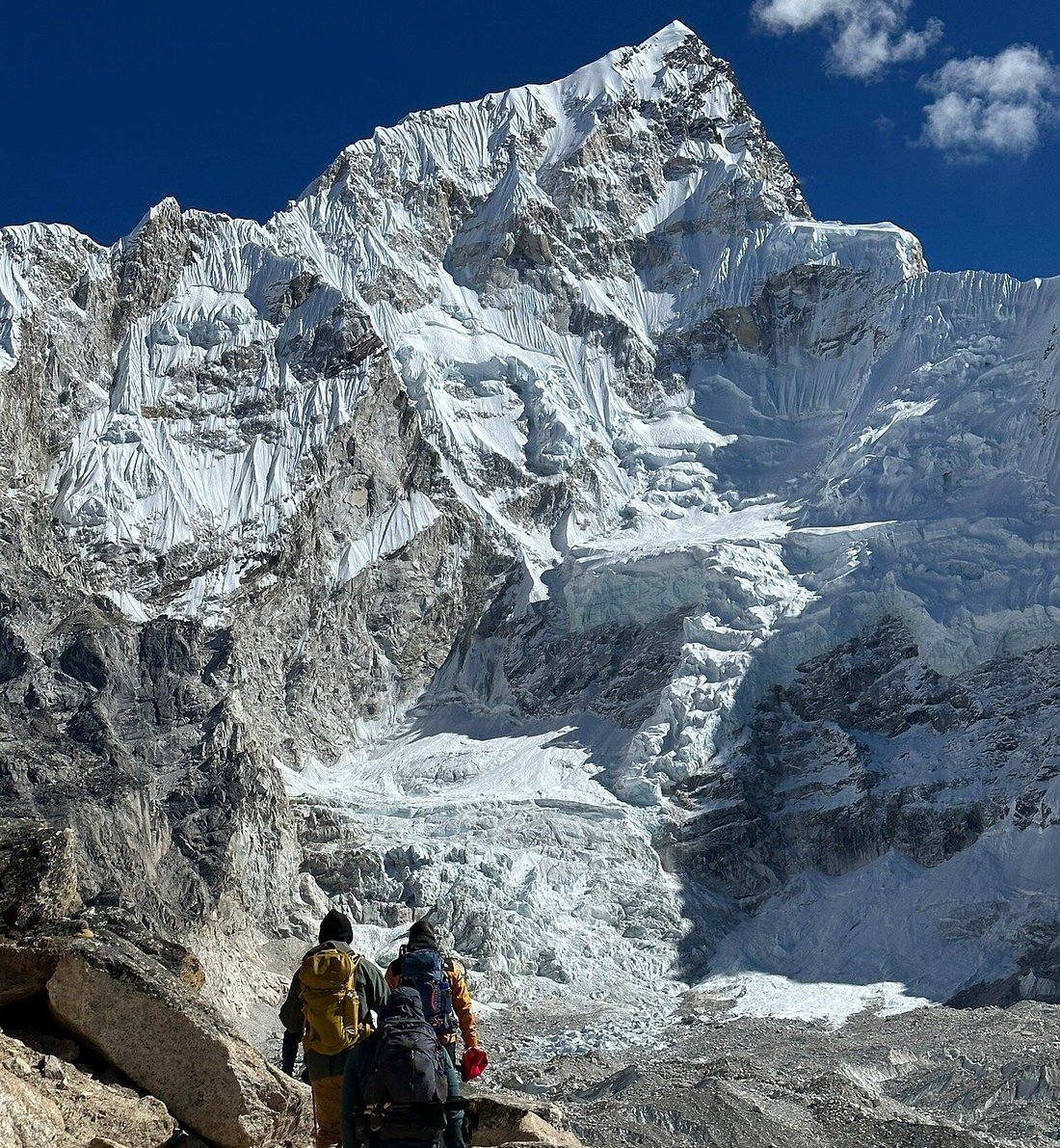
Continue toward Gorak Shep through the high Khumbu landscape. After a short break, trek toward Everest Base Camp, following the rocky trail beside the Khumbu Glacier. Spend time at Base Camp before returning to Gorak Shep for the night.
Altitude: Everest Base Camp 5,364 m / Gorak Shep 5,164 m
Walking: 7–8 hours
Accommodation: Tea House
Meals: Breakfast, Lunch and Dinner
Start early for the climb to Kala Patthar, one of the finest viewpoints of Everest. After enjoying the sunrise and Himalayan panorama, descend to Gorak Shep for breakfast. Continue toward Dzongla through rugged high-altitude terrain, preparing for the next major challenge — Cho La.
Altitude: Kala Patthar approximately 5,545 m / Dzongla 4,830 m
Walking: 7–9 hours
Accommodation: Tea House
Meals: Breakfast, Lunch and Dinner
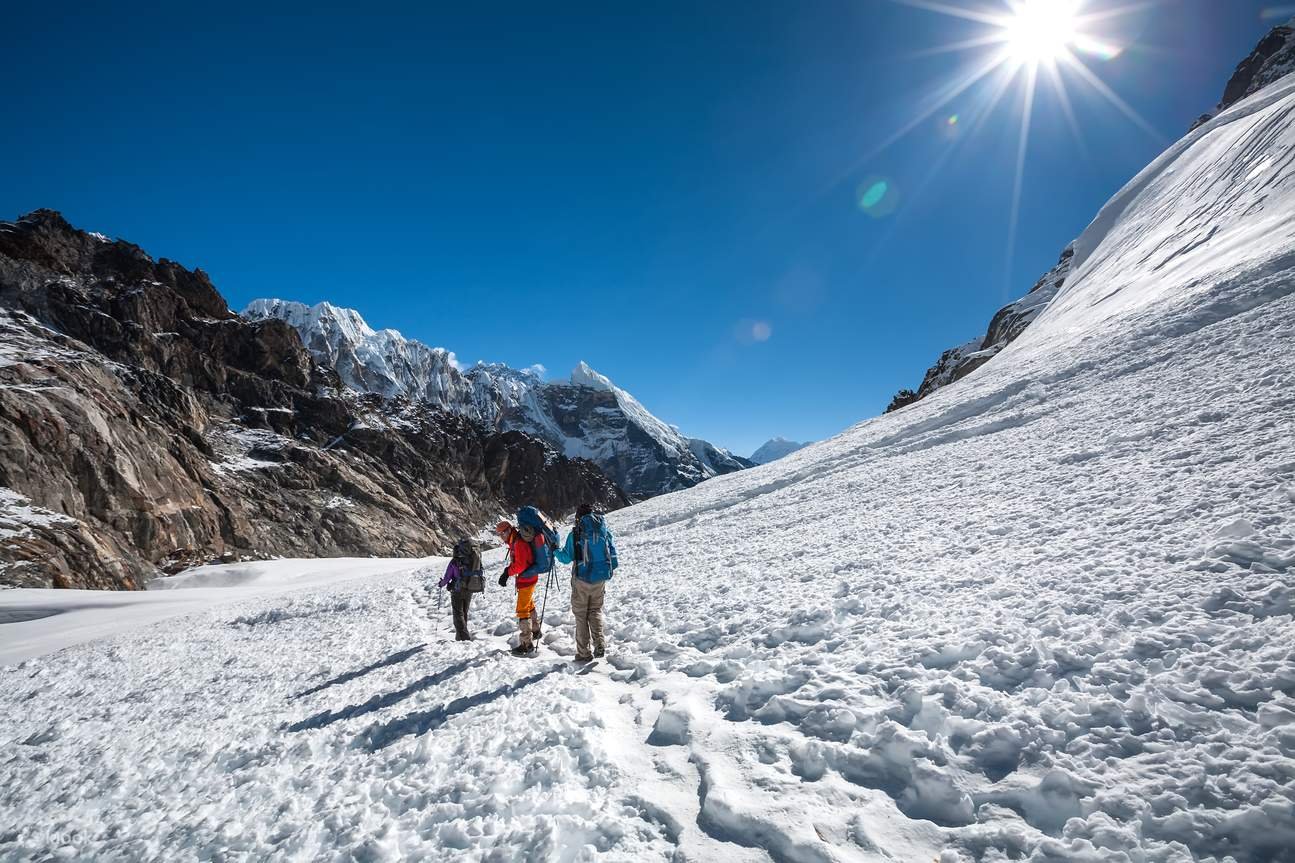
Start early for the second high pass. The route climbs toward Cho La at 5,420 m, with steep sections and glacial terrain near the pass. After crossing the pass, descend toward the Gokyo Valley and continue to Gokyo beside the Ngozumpa Glacier.
Altitude: Cho La 5,420 m / Gokyo 4,790 m
Walking: 7–9 hours
Accommodation: Tea House
Meals: Breakfast, Lunch and Dinner
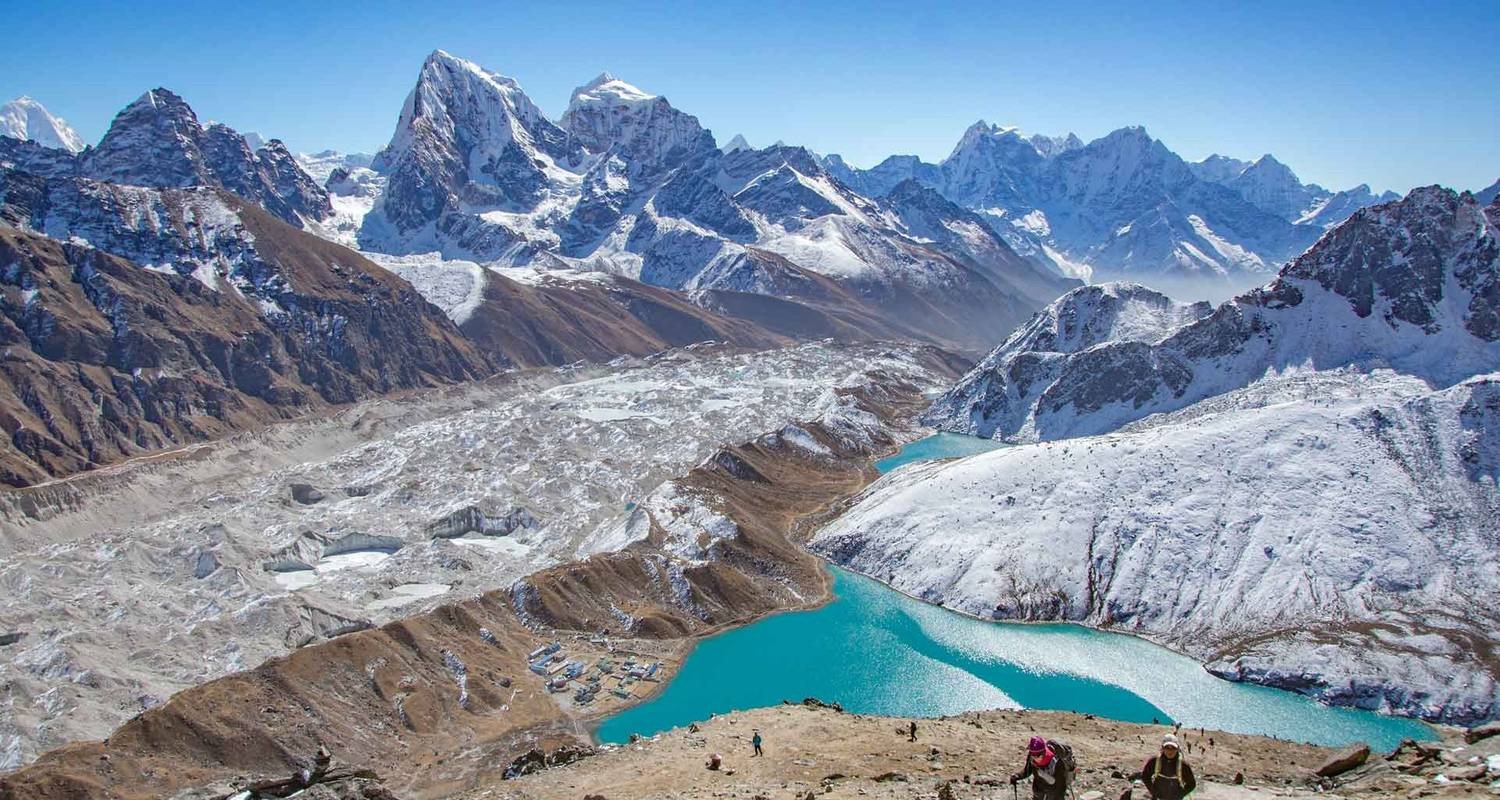
Spend the day exploring the Gokyo Valley. An early climb of Gokyo Ri at approximately 5,357 m provides outstanding views toward Everest, Lhotse, Makalu, Cho Oyu and the surrounding peaks. Return to Gokyo and spend the afternoon resting beside the beautiful glacial lakes.
Altitude: Gokyo 4,790 m / Gokyo Ri 5,357 m
Walking: 4–5 hours
Accommodation: Tea House
Meals: Breakfast, Lunch and Dinner
Begin the final high-pass crossing toward Renjo La at 5,360 m. The ascent is demanding, but the views from the pass extend across the Gokyo Valley and the surrounding Himalayan peaks. Descend into the Bhote Koshi Valley and continue to Lungden.
Altitude: Renjo La 5,360 m / Lungden approximately 4,380 m
Walking: 7–9 hours
Accommodation: Tea House
Meals: Breakfast, Lunch and Dinner
Descend through the quieter Bhote Koshi Valley toward Thame, a historic Sherpa settlement away from the main Everest Base Camp route. Continue gradually downhill before reaching Namche Bazaar, where you can enjoy a more comfortable evening after completing all three high passes.
Altitude: Namche Bazaar 3,440 m
Walking: 6–7 hours
Accommodation: Tea House
Meals: Breakfast, Lunch and Dinner
Follow the Dudh Koshi Valley back toward Lukla. The trail passes through familiar villages, forests and suspension bridges as the altitude gradually decreases. Arrive in Lukla and spend your final evening in the Khumbu with the trekking team.
Altitude: 2,840 m
Walking: 6–7 hours
Accommodation: Tea House
Meals: Breakfast, Lunch and Dinner
Take the flight from Lukla back to Kathmandu, subject to weather and airport operating conditions. After reaching Kathmandu, transfer to your hotel and enjoy the rest of the day at leisure.
Altitude: Kathmandu 1,400 m
Flight: Approximately 30–40 minutes
Accommodation: Hotel
Meals: Breakfast
Your Everest Three Passes Trek concludes today. Depending on your flight schedule, TrekUp Nepal arranges your transfer to Tribhuvan International Airport for your onward journey.
Altitude: 1,400 m
Meals: Breakfast
Includes/Exclude
Cost Includes
- Airport pickup and drop-off in Kathmandu
- Kathmandu hotel accommodation as specified
- Kathmandu–Lukla–Kathmandu domestic flights
- Experienced licensed trekking guide
- Porter service
- Tea house accommodation during the trek
- Breakfast, lunch and dinner during the trekking period
- Sagarmatha National Park entry permit
- Khumbu Pasang Lhamu Rural Municipality permit
- Trekking-related government fees
- Necessary trekking route documentation
- Basic first-aid kit
- Oximeter monitoring
- Guide and porter meals and accommodation
- Guide and porter insurance
- Trekking staff transportation
- Kathmandu trek briefing
- TrekUp Nepal trekking management
- Government taxes and applicable service charges
Cost Excludes
- International airfare
- Nepal tourist visa
- Personal travel insurance
- Emergency helicopter evacuation
- Medical treatment and hospitalization
- Personal trekking equipment
- Sleeping bag and down jacket unless specifically included
- Personal porter
- Drinks and bottled water
- Hot showers and laundry
- Wi-Fi and charging fees
- Extra Kathmandu accommodation
- Extra meals in Kathmandu
- Tips for guide and porter
- Personal expenses
- Costs caused by flight delays or cancellations
- Additional accommodation caused by weather or route changes
- Any service not specifically listed under Cost Includes
Add-ons & Options
- Private Porter Service: Trek more comfortably by adding a dedicated porter to carry your main luggage while you focus on the high-altitude trail and three pass crossings.
- Private Jeep Transfer in Kathmandu: Arrange a private vehicle for airport transfers and transportation between your hotel and the airport.
- Lukla Helicopter Flight Upgrade: Replace the regular Lukla flight with a helicopter option, subject to availability and weather conditions.
- Private Helicopter Return from Lukla: After completing the trek, upgrade your return journey from Lukla to Kathmandu by helicopter.
- Additional Acclimatization Day: Add an extra rest or acclimatization day in Namche, Dingboche or Gokyo.
- Extra Kathmandu Hotel Nights: Extend your stay in Kathmandu before or after the trek.
- Trekking Equipment Rental: Add essential items such as sleeping bags, down jackets or other trekking equipment.
- Private Guide Service: Upgrade to a private guide for a more personalized trekking experience.
- Kathmandu Sightseeing: Add a private or guided sightseeing tour before or after your trek.
- Private Group Arrangement: Customize the departure date and services for your own family, friends or trekking group.
How to Personalize Your Everest Three Passes Trek with Our Add-ons?
- Step 1: Select your preferred departure date.
- Step 2: Specify the number of travelers.
- Step 3: Click “Book Now” or “Add to Cart.”
- Step 4: Choose the add-ons and additional services you would like.
- Step 5: Complete your payment and prepare for your Everest Three Passes adventure.
Best time to do Everest Three Passes Trek:
The best time for the Everest Three Passes Trek is during spring (March–May) and autumn (September–November). These seasons generally offer the most favorable combination of stable weather, clearer mountain views, and safer conditions for crossing Kongma La, Cho La, and Renjo La.
Spring – March to May
Spring is one of the most reliable periods for the Three Passes Trek. Temperatures gradually become warmer, snowfall decreases, and visibility is generally good. April and May are particularly favorable for high-altitude trekking and pass crossings.
Best months: April and May
Autumn – September to November
Autumn is widely considered the best overall season for the Everest Three Passes Trek. The monsoon has usually cleared, leaving relatively dry trails, clear skies, and excellent views of Everest and the surrounding peaks. October is generally the most favorable month.
Best months: October and November
What Our Travelers Say
Read reviews from travelers who have joined our Himalayan trips. See what they enjoyed and what they thought about their experience.
Frequently Asked Questions
Faq's
It is a challenging to very strenuous high-altitude trek. The route involves three passes above 5,300 m, long walking days and steep ascents and descents.
The three major passes are Kongma La (5,535 m), Cho La (5,420 m) and Renjo La (5,360 m).
Yes. The itinerary includes Everest Base Camp at 5,364 m as well as Kala Patthar.
Yes. The route enters the Gokyo Valley and includes time around the Gokyo Lakes.
Yes. The itinerary includes an ascent of Gokyo Ri at approximately 5,357 m, subject to weather and trail conditions.
Previous high-altitude trekking experience is strongly recommended. This trek is considerably more demanding than the standard Everest Base Camp route.
Depending on the season and snow conditions, microspikes or crampons may be required, particularly around Cho La and other icy sections. Your guide will advise on the appropriate equipment.
TrekUp Nepal's standard itinerary is 19 days, including Kathmandu preparation, acclimatization, trekking, the three passes and the return journey.
The highest pass is Kongma La at 5,535 m. Kala Patthar is also reached at approximately 5,545 m.
No. Pass crossings depend on snow, ice, visibility and overall trail conditions. The itinerary may need to be adjusted for safety.
Your guide can use an alternative route when conditions make a pass unsafe. The exact alternative depends on which pass is affected and the conditions at the time.
Accommodation is primarily in local tea houses and lodges along the route. Facilities become more basic at higher elevations.
It is not recommended as a first high-altitude trek. Trekkers should have good endurance and preferably previous experience at elevations above 4,000 m.
The route can be completed in different directions, but the east-to-west circuit through Kongma La, Everest Base Camp, Cho La and Renjo La provides a well-established progression through the Khumbu.
Yes. TrekUp Nepal can customize the departure date, group size, acclimatization days, accommodation, porter support and transportation arrangements.