

The Nar Phu Valley Trek takes you into one of the most secluded corners of Nepal’s Annapurna region, where ancient Himalayan settlements, high mountain landscapes and Tibetan-influenced traditions remain closely connected to everyday life. Located in Manang District, the Nar and Phu valleys branch away from the main Annapurna Circuit, offering a quieter and more remote trekking experience.
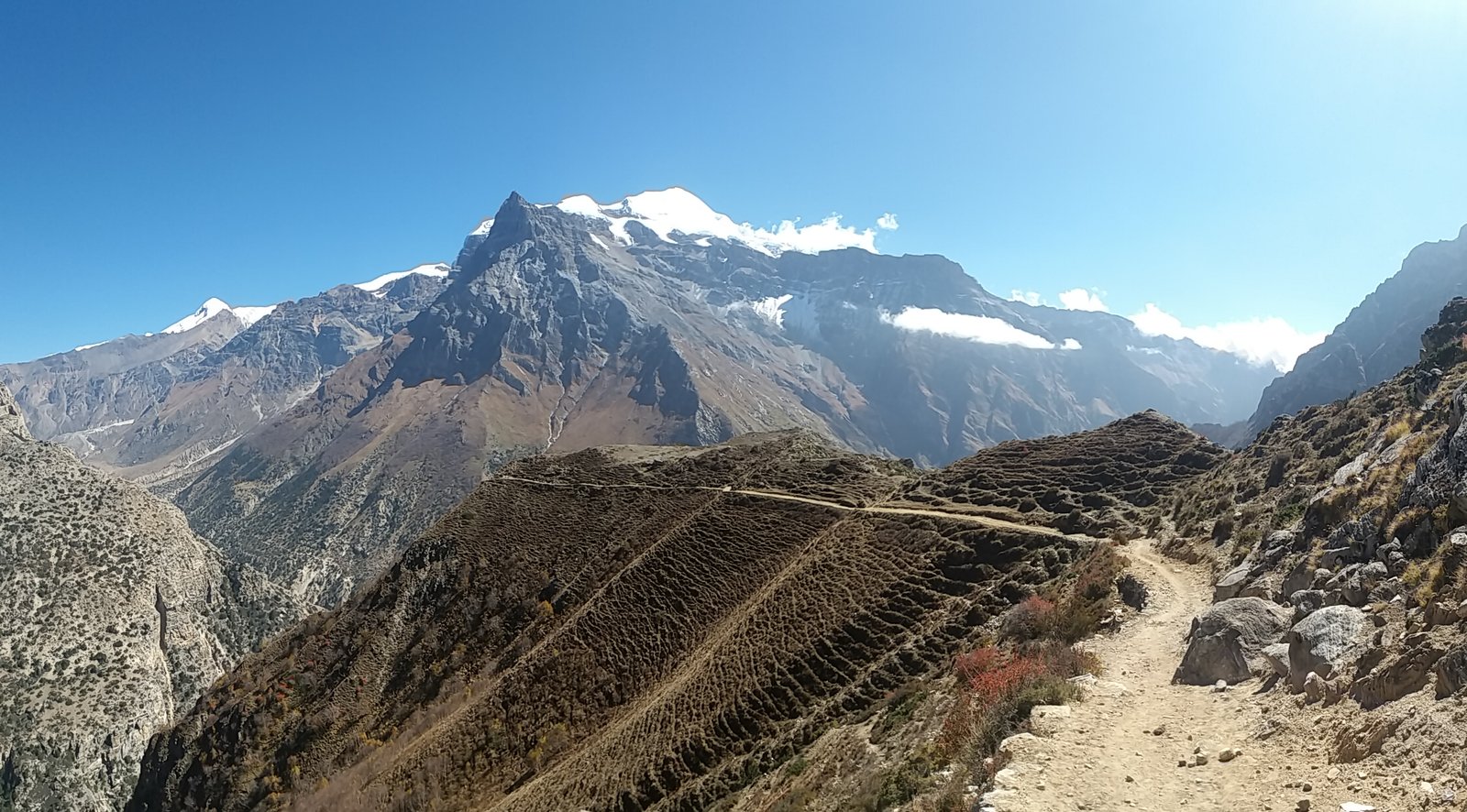
The journey begins along the road toward the Manang region before entering the restricted valley near Koto. From here, the trail follows the Nar Khola through narrow gorges, rocky slopes, suspension bridges and increasingly rugged terrain. As the valley opens, the landscape changes from forested river corridors to dry alpine hills, broad mountain basins and settlements surrounded by dramatic Himalayan peaks.
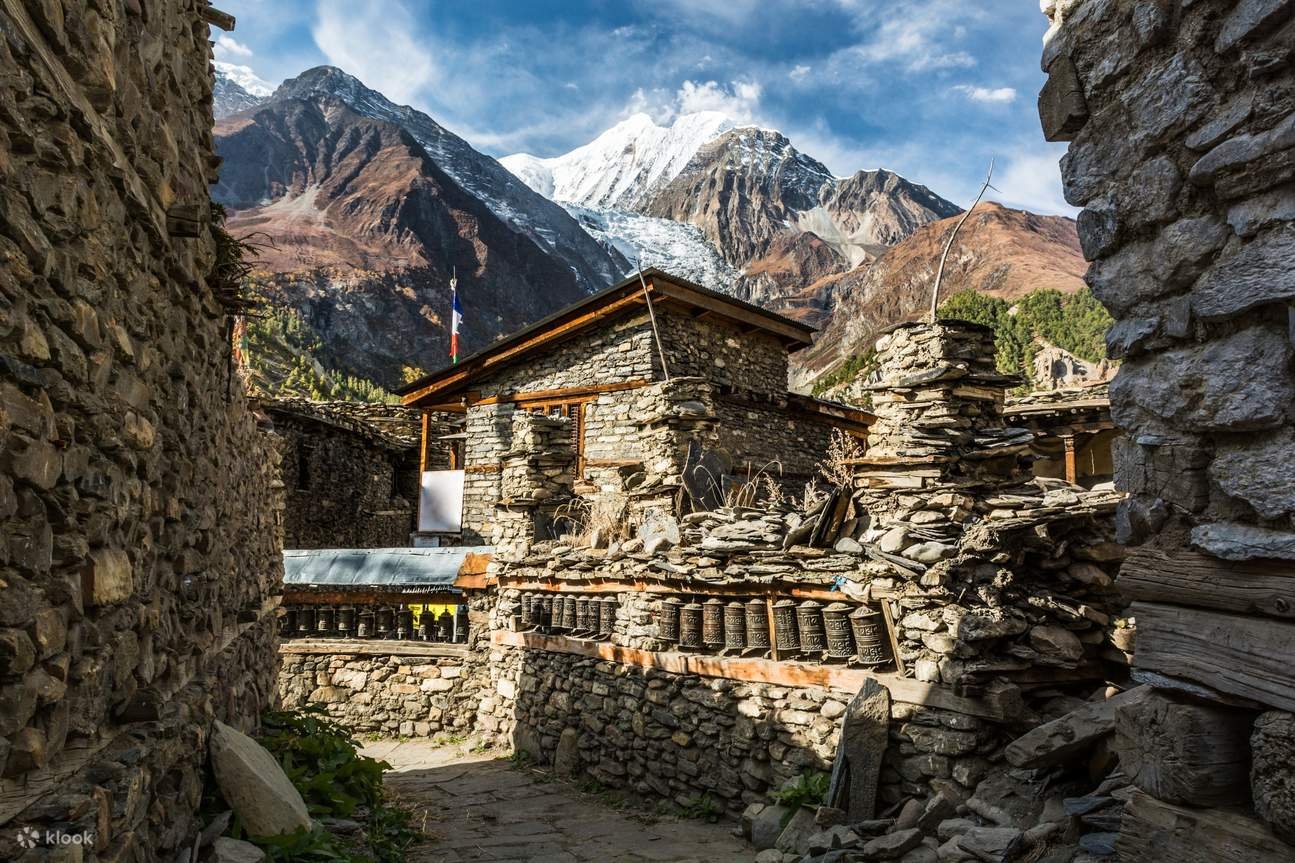
Phu Village is one of the most distinctive stops on the route. Its traditional stone and mud-brick houses, narrow paths and Buddhist heritage reflect a way of life shaped by the high-altitude environment. The village provides an opportunity to explore local architecture, visit the Tashi Lhakhang Monastery area and observe how communities have adapted to the demanding conditions of the upper valley.
The trail then continues toward Nar Phedi, where trekkers commonly stay near a local monastery, before climbing to Nar Village. Although Nar and Phu belong to the same remote region, each settlement has its own character, with traditional homes, cultivated fields, chortens and mountain views forming the backdrop to village life.
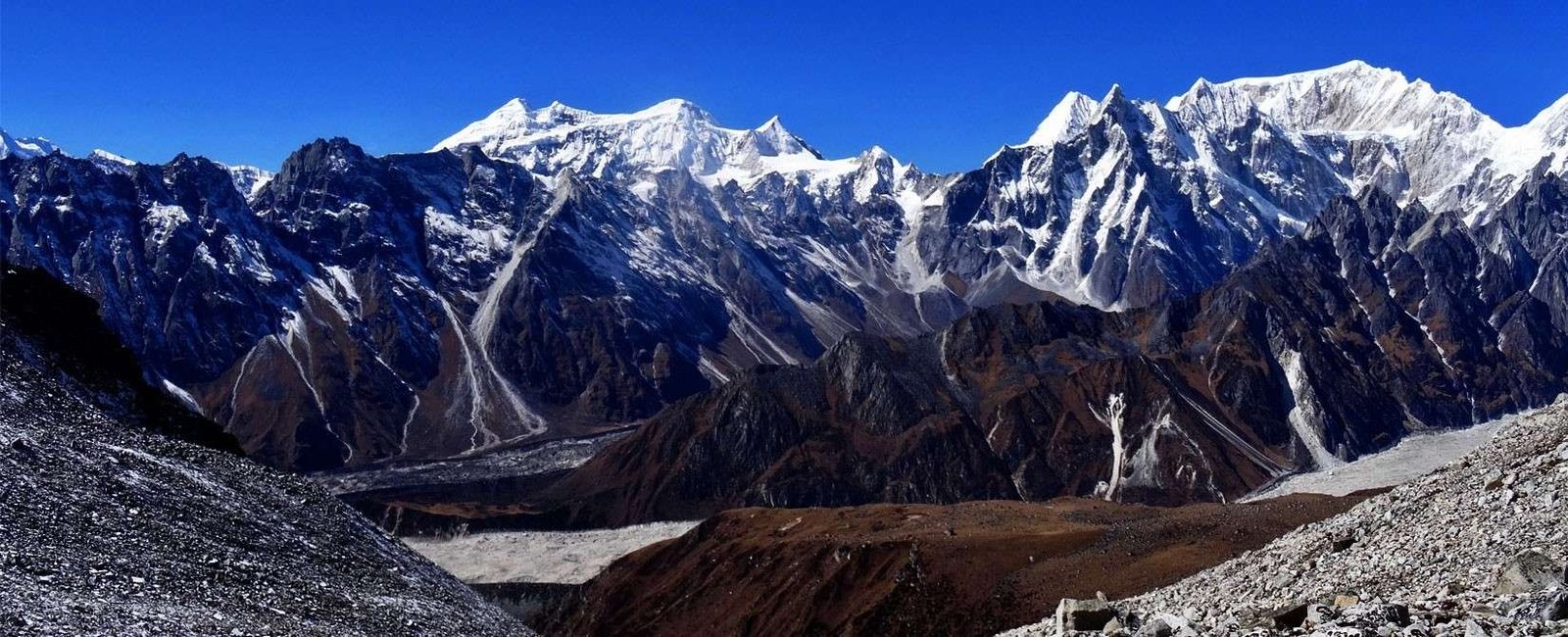
One of the main challenges of the trek is crossing Kang La Pass at approximately 5,320 meters. The crossing involves a long ascent, a high-altitude traverse and a substantial descent toward Ngawal on the Annapurna side. On clear days, the pass offers expansive views of the Annapurna range and surrounding Himalayan peaks.
The Nar Phu Valley Trek is ideal for travelers who want to explore a less-traveled Himalayan route rather than follow only the established Annapurna Circuit. It combines remote village exploration, cultural discovery and a demanding mountain crossing into one rewarding adventure. Because accommodation is basic in the upper valley and altitude increases quickly, careful planning, an experienced guide and a suitable acclimatization schedule are essential.
Overview
The Nar Phu Valley Trek is an adventurous journey through the remote Himalayan villages of Phu and Nar in Nepal’s Annapurna region. Discover traditional Tibetan-influenced culture, dramatic mountain scenery and quiet trails before crossing Kang La Pass at approximately 5,320 meters and descending toward Ngawal.
Highlights
- Explore the remote Nar and Phu valleys in the Annapurna region.
- Visit the traditional settlements of Phu Village and Nar Village.
- Cross Kang La Pass at approximately 5,320 meters.
- Discover Buddhist monasteries, chortens and traditional Himalayan architecture.
- Walk through narrow gorges, alpine landscapes and high mountain valleys.
- Enjoy views of the Annapurna range and surrounding Himalayan peaks.
- Stay in local teahouses and experience the hospitality of mountain communities.
- Follow a less-traveled route away from the busier sections of the Annapurna Circuit.
Nar Phu Valley Trek Overview
The Nar Phu Valley Trek is a remote Himalayan adventure in Nepal’s Annapurna region, combining traditional mountain settlements, Tibetan-influenced Buddhist culture and a demanding high-altitude pass. The route leaves the main Annapurna trail at Koto and enters a landscape of deep gorges, rugged cliffs, alpine pastures and isolated villages.
The journey focuses on Phu and Nar, two distinctive settlements where traditional architecture and local customs remain part of everyday life. An acclimatization stop in Phu helps create time to adjust to the elevation before continuing through Nar Phedi and Nar Village toward Kang La Pass.
At approximately 5,320 meters, Kang La is the defining physical challenge of the trek. The ascent and descent require endurance, careful pacing and suitable weather conditions, while the views from the pass reward trekkers with a broad perspective of the Annapurna region. The route then descends toward Ngawal, reconnecting with the more established Annapurna Circuit corridor.
This trek is best suited to travelers seeking a quieter alternative to Nepal’s busiest mountain routes and who are comfortable with basic accommodation and challenging walking conditions. With proper preparation, a knowledgeable guide and a well-planned itinerary, the Nar Phu Valley Trek offers a memorable combination of cultural exploration and high-altitude adventure.
What can you expect from the Nar Phu Valley Trek Package?
- Explore the restricted Nar Phu region beyond the main Annapurna trekking trail.
- Visit the traditional villages of Phu and Nar and learn about local mountain culture.
- Walk through narrow gorges, rocky trails, alpine pastures and remote Himalayan valleys.
- Experience an acclimatization day in Phu before continuing to higher elevations.
- Stay in basic teahouses and local mountain accommodation.
- Cross Kang La Pass at approximately 5,320 meters when conditions are safe.
- Enjoy panoramic mountain scenery across the Annapurna region.
- Follow an itinerary that can be adjusted for weather, altitude symptoms and road disruptions.
Benefits of Booking Nar Phu Valley Trek with us
- Local trekking coordination and support from Kathmandu through the trekking route.
- Assistance arranging restricted-area permits and required documentation.
- An experienced guide familiar with remote trails and high-altitude conditions.
- Planned accommodation, meals and ground transportation according to the confirmed package.
- A route plan that includes time for acclimatization and preparation for Kang La Pass.
- Assistance customizing departure dates, group arrangements and optional services.
- Support with itinerary adjustments when weather or trail conditions affect travel.
Itinerary
This 11-day Nar Phu Valley Trek combines a road journey from Kathmandu with remote trekking through Meta, Phu, Nar Phedi and Nar Village. After an acclimatization day in Phu, cross Kang La Pass at approximately 5,320 meters and descend to Ngawal before returning by road to Kathmandu.
Arrive in Kathmandu, where a TrekUp Nepal representative will welcome you and arrange your transfer to the hotel. The remainder of the day is available for resting after your journey, exploring the nearby streets or preparing for the trek. Your guide will explain the route, permit requirements, walking conditions and equipment needed for the remote Nar Phu region.
Altitude: 1,400 m
Activity: Airport pickup, hotel transfer and trek briefing
Meals: Not included unless specified in your package
Accommodation: Hotel in Kathmandu
Use the day to finalize trekking arrangements, check your equipment and collect any remaining supplies. Depending on your arrival schedule and preferences, you may explore Kathmandu’s cultural attractions or enjoy time at the hotel. Your guide will check your clothing, footwear, daypack and other essentials before the journey toward the Annapurna region.
Altitude: 1,400 m
Activity: Trek preparation and optional sightseeing
Meals: Breakfast
Accommodation: Hotel in Kathmandu
Leave Kathmandu by road and travel through Nepal’s changing landscapes toward Besisahar and the Manang region. The journey passes rivers, terraced hillsides, rural settlements and increasingly rugged mountain terrain. Road conditions become rougher as you approach Koto, the gateway to the Nar Phu restricted area. The drive can be long, so prepare for an early departure and changing road conditions.
Altitude: Approximately 2,600 m
Travel time: Approximately 9–12 hours, depending on road conditions and transport
Meals: Breakfast, lunch and dinner
Accommodation: Teahouse or lodge in Koto
Begin trekking into the Nar Phu Valley, following a trail through a narrow gorge alongside the Nar Khola. The route crosses suspension bridges, passes rocky cliffs and winds through forested sections before gradually gaining elevation. As you move farther from the main Annapurna trail, the surroundings become quieter and more remote. Continue toward Meta, a small settlement surrounded by dry hills and mountain scenery.
Altitude: Approximately 3,560 m
Walking time: Approximately 6–8 hours
Meals: Breakfast, lunch and dinner
Accommodation: Basic teahouse or lodge in Meta
Continue deeper into the valley as the landscape opens into a rugged high-altitude environment. The trail passes seasonal settlements, stone structures, yak pastures and exposed hillsides, with views of surrounding Himalayan peaks. The final approach to Phu reveals a traditional settlement positioned above the valley, with closely grouped houses and an atmosphere shaped by centuries of mountain life. Take time to settle into your accommodation and rest after the climb.
Altitude: Approximately 4,080 m
Walking time: Approximately 7–8 hours
Meals: Breakfast, lunch and dinner
Accommodation: Basic local lodge or teahouse in Phu
Spend another night in Phu to allow more time for altitude adjustment before continuing higher. After breakfast, explore the village and its surrounding trails at a comfortable pace. Depending on local conditions and how you feel, your guide may arrange a gentle walk toward a viewpoint or the Tashi Lhakhang Monastery area. Avoid strenuous activity if you experience altitude-related symptoms, and use the day to hydrate, eat well and rest.
Altitude: Approximately 4,080 m, with optional higher walks depending on conditions
Walking time: Approximately 2–5 hours for optional exploration
Meals: Breakfast, lunch and dinner
Accommodation: Basic local lodge or teahouse in Phu
Leave Phu and retrace part of the valley route before turning toward Nar Phedi. The trail includes rocky paths, descents and undulating terrain through the remote landscape. Nar Phedi is a small settlement where trekkers commonly stay near a monastery. Accommodation is simple, and the evening offers a quieter experience of the valley’s Buddhist culture and mountain surroundings.
Altitude: Approximately 3,490 m
Walking time: Approximately 5–7 hours
Meals: Breakfast, lunch and dinner
Accommodation: Basic lodge or monastery guesthouse at Nar Phedi, subject to availability
After breakfast, climb gradually toward Nar Village along a trail marked by stone steps, chortens and open mountain slopes. The ascent is relatively short compared with previous trekking days, but the elevation makes a steady pace important. As you approach Nar, traditional stone houses and cultivated land appear against the surrounding hills. Spend the afternoon exploring the village and preparing for the next day’s crossing of Kang La Pass.
Altitude: Approximately 4,110 m
Walking time: Approximately 3–4 hours
Meals: Breakfast, lunch and dinner
Accommodation: Basic teahouse or lodge in Nar Village
Start early for the most demanding day of the trek. Follow the high-altitude trail from Nar toward Kang La Pass, climbing across rocky terrain and potentially snow-covered sections depending on the season. The final ascent requires stamina and careful footing, especially in cold or windy conditions. From the pass, enjoy wide views across the Annapurna region before beginning the long descent toward Ngawal on the established Annapurna Circuit route. Your guide will assess weather, snow and the group’s condition before proceeding.
Altitude: Kang La Pass approximately 5,320 m; overnight in Ngawal at approximately 3,660 m
Walking time: Approximately 8–10 hours
Meals: Breakfast, lunch and dinner
Accommodation: Teahouse or lodge in Ngawal
After completing the high pass, begin the return journey by road toward Besisahar. Depending on road access and local conditions, the vehicle may collect you from Ngawal or a nearby accessible point on the Annapurna Circuit. The journey passes mountain settlements and river valleys as the landscape gradually becomes greener and lower. Road travel can be slow on rough sections, so allow flexibility for delays.
Altitude: Approximately 760 m in Besisahar
Travel time: Approximately 6–9 hours, depending on pickup point and road conditions
Meals: Breakfast, lunch and dinner
Accommodation: Hotel or lodge in Besisahar
Travel by road from Besisahar to Kathmandu, following the river valleys and highways back to the capital. After arrival, you may be transferred to your hotel or onward to the airport according to your flight schedule. If you have an international departure on the same day, allow sufficient time for possible road delays; an extra night in Kathmandu is advisable for flights with limited flexibility.
Altitude: Approximately 1,400 m in Kathmandu
Travel time: Approximately 6–8 hours, depending on traffic and road conditions
Meals: Breakfast
Accommodation: Not included unless an additional night is booked
Itinerary note: Walking hours, elevations, road access and overnight stops can vary with weather, trail conditions and the operating itinerary. The Kang La crossing is subject to a safety assessment by your guide.
Includes/Exclude
Cost Includes
- Airport pickup and drop-off in Kathmandu as specified in the itinerary.
- Tourist-standard hotel accommodation in Kathmandu for the included nights.
- Teahouse or lodge accommodation during the trek.
- Ground transportation between Kathmandu, Koto, the trek exit point and Kathmandu, according to the confirmed itinerary.
- Licensed trekking guide and required local support.
- Required Nar Phu restricted-area permit and applicable conservation-area permit, as specified in the final package.
- Three daily meals during the trekking days where stated in the itinerary.
- Guide’s meals, accommodation, transport, insurance and applicable staff expenses.
- Basic first-aid support from the trekking guide.
- Government taxes and company service charges included in the confirmed quotation.
Cost Excludes
- International flights to and from Nepal.
- Nepal entry visa fees.
- Travel insurance, including high-altitude trekking and emergency evacuation cover.
- Personal trekking equipment, clothing and sleeping bag.
- Porter service unless specifically included in your quotation.
- Meals not specified as included in the itinerary.
- Drinks, bottled water, snacks, hot showers, Wi-Fi and device-charging fees where charged separately.
- Personal expenses, laundry, tips and gratuities.
- Optional sightseeing and entrance fees in Kathmandu.
- Additional accommodation or transport caused by itinerary changes, delays or early departure, unless covered by the agreed package.
- Costs arising from rescue, evacuation or medical treatment.
- Any service not expressly listed under Cost Includes.
Add-ons & Options
Customize your Nar Phu Valley Trek with optional transport, porter support and extra accommodation to suit your comfort, schedule and budget. The prices below are suggested planning rates and should be confirmed by TrekUp Nepal before being offered as final booking prices.
Private Jeep from Kathmandu to Koto
Suggested price: From US$200 per jeep
Arrange a private jeep for the journey to Koto, subject to vehicle capacity, road access and the final pickup arrangements.
Porter Service
Suggested price: From US$250 per porter for the trekking section
Hire a porter to carry shared trekking luggage, with the permitted weight and number of trekking days confirmed before departure.
Additional Acclimatization Night in Phu
Suggested price: From US$60 per person per night
Add an extra night in Phu for further rest and gradual altitude adjustment, subject to lodge availability and the guide’s assessment.
Extra Night in Kathmandu
Suggested price: From US$35 per person per night in a twin-sharing room
Extend your Kathmandu stay before or after the trek, with the final rate depending on hotel category and room availability.
Hotel Upgrade in Kathmandu
Price: Available on request
Upgrade to a higher-category hotel or preferred room type for additional comfort before or after your mountain journey.
Private Departure
Price: Available on request
Arrange a private departure for your family or group with personalized dates and trekking arrangements.
Additional Guide or Support Staff
Price: Available on request
How to Personalize Your Trip
Step 1: Choose Your Departure Date
Step 3: Select Your Add-ons
Step 4: Review Your Trip Details
Step 5: Complete Your Booking
Best time to do Nar Phu Valley Trek:
Spring (March–May)
Spring is one of the most popular seasons for the Nar Phu Valley Trek. Temperatures generally become milder as the season progresses, and clear days can provide excellent mountain views. Snow may remain around Kang La Pass early in the season, so crossing conditions should be checked before departure.
Autumn (September–November)
Autumn is another excellent period, especially after the monsoon when the skies often become clearer. Daytime trekking conditions are generally favorable, although nights can be cold at higher elevations. October is particularly popular, so arranging permits, accommodation and transport in advance is advisable.
Winter (December–February)
Winter brings colder nights and a greater possibility of snow and ice at higher elevations. Kang La Pass may become difficult or unsafe to cross, and some accommodation or services may be limited. This season is better considered by experienced trekkers with a flexible schedule and suitable support.
What Our Travelers Say
Read reviews from travelers who have joined our Himalayan trips. See what they enjoyed and what they thought about their experience.
Frequently Asked Questions
Faq's
A typical itinerary takes around 9–12 days from Kathmandu, depending on the acclimatization plan, road transport and whether you connect with the Annapurna Circuit. TrekUp Nepal’s proposed itinerary is 11 days.
The trek is challenging because of its remote trails, consecutive walking days, basic accommodation, rapid altitude gain and the crossing of Kang La Pass at approximately 5,320 meters. Good fitness and previous hiking experience are beneficial.
The highest point is Kang La Pass, at approximately 5,320 meters above sea level.
Yes. Trekkers need the applicable Nar Phu restricted-area permit and Annapurna Conservation Area permit. Permit requirements and charges should be verified before departure because regulations and fees can change.
The Nar Phu region is a restricted trekking area with special permit and guide requirements. Arrange the trek through a registered trekking agency and confirm the current rules before travel.
It may suit a fit beginner with strong preparation and an appropriate itinerary, but it is generally better for trekkers comfortable with long mountain walks and high elevations. Kang La Pass makes the route considerably more demanding than an easy low-altitude trek.
Spring, from March to May, and autumn, from September to November, are generally the most suitable seasons. Weather and snow conditions at Kang La Pass should always be checked.
Accommodation is mainly in local teahouses, basic lodges and, at Nar Phedi, sometimes a monastery guesthouse. Facilities are simpler and availability more limited than on the busier sections of the Annapurna Circuit.
The package generally includes breakfast, lunch and dinner on trekking days. Typical meals may include dal bhat, noodles, soups, rice, potatoes, Tibetan bread and other locally available dishes.
Yes. Several overnight stops are above 3,500 meters, and the route crosses a pass above 5,000 meters. Acclimatize gradually, stay hydrated and tell your guide immediately if you develop symptoms such as headache, nausea, dizziness or unusual fatigue.
Yes. Porter service can generally be arranged as an optional extra or included in a customized package. Confirm the luggage allowance and porter arrangements before booking.
Coverage can be limited or unreliable in the remote valleys. Do not rely on continuous mobile service, and ask your guide about local communication options and emergency arrangements.
Yes. After crossing Kang La Pass and reaching Ngawal, trekkers can continue toward Manang, Thorong La Pass and Muktinath. This creates a longer itinerary and requires additional days, permits and budget.
Bring broken-in trekking boots, layered clothing, a warm insulated jacket, waterproof outerwear, gloves, a hat, sun protection, a headlamp, water bottles and personal medication. A suitable sleeping bag and trekking poles are also recommended.
No. Snowfall, strong winds, poor visibility or unsafe trail conditions may make the crossing unsuitable. The guide may delay, modify or cancel the crossing if conditions are dangerous.