
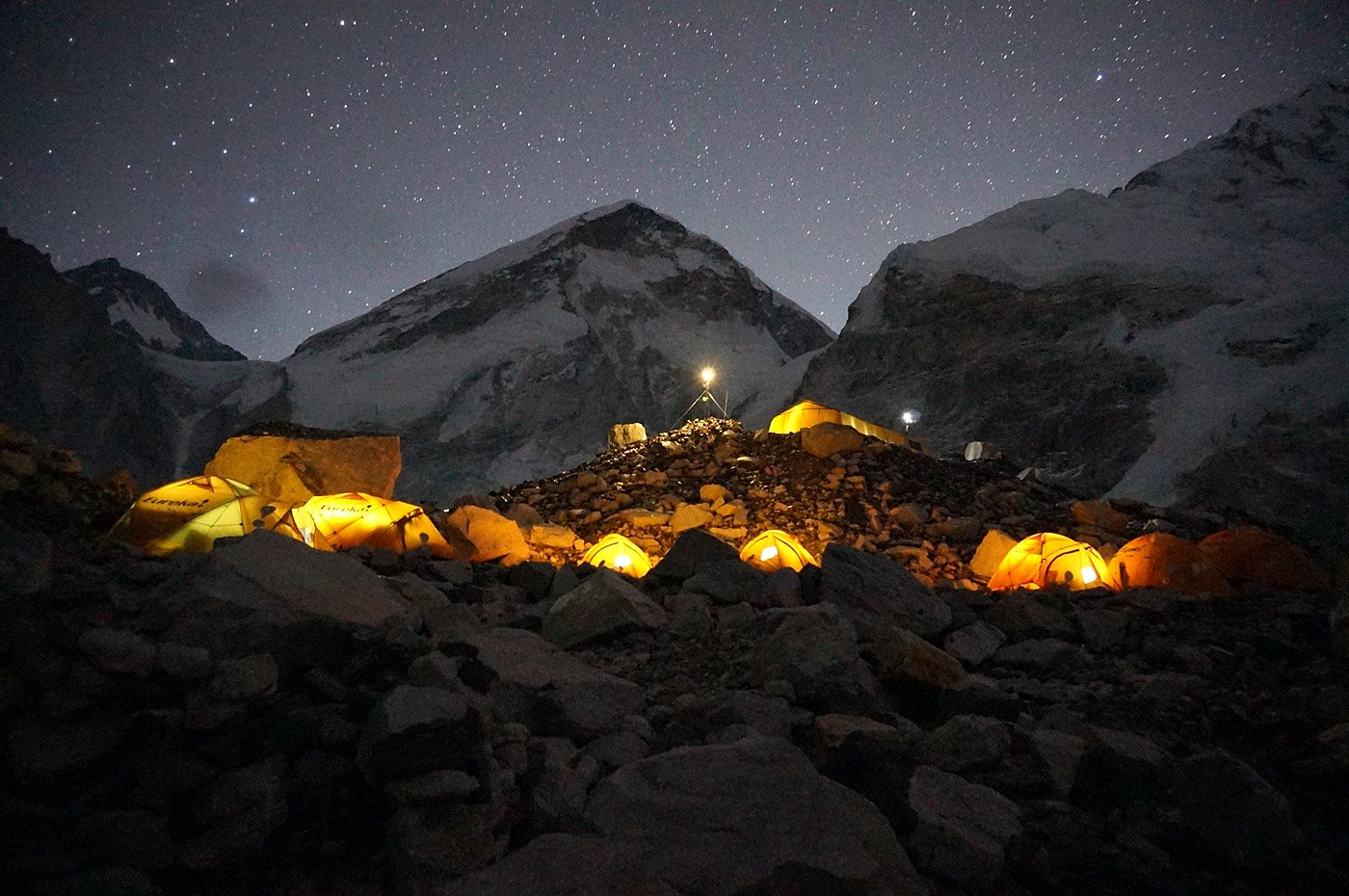
Mount Everest, standing at 8,848.86 meters, is the highest mountain in the world and one of the most demanding objectives in high-altitude mountaineering. The Everest Expedition from Nepal follows the classic South Col route, beginning in Kathmandu and approaching the mountain through the Khumbu Valley before establishing Everest Base Camp at approximately 5,364 meters.
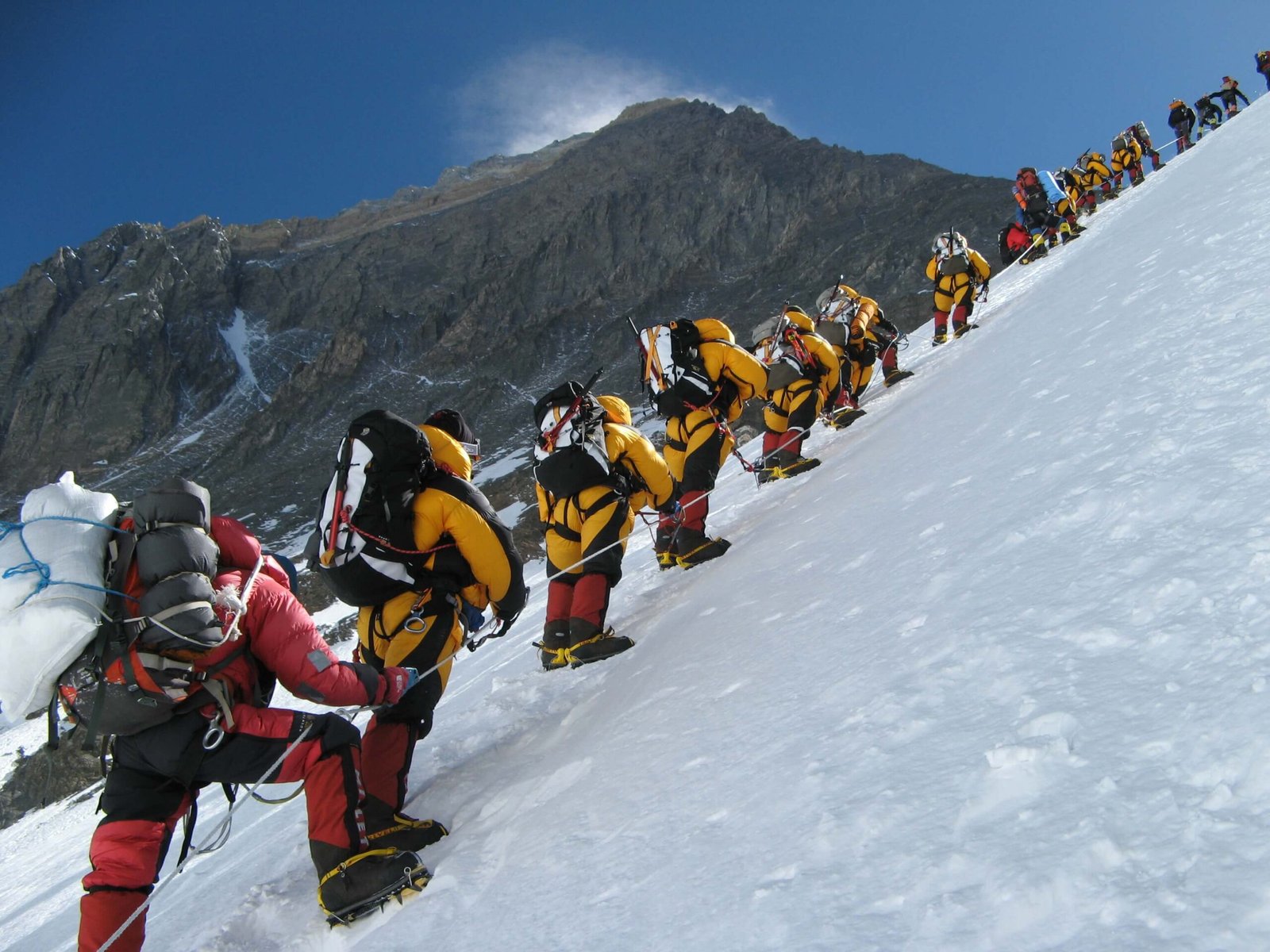
From Base Camp, the expedition moves into a prolonged period of acclimatization, technical preparation and climbing rotations. Climbers gradually progress through the Khumbu Icefall, Camp 1, Western Cwm, Camp 2, Lhotse Face, Camp 3 and Camp 4 at the South Col, preparing the body and climbing skills for the final ascent.
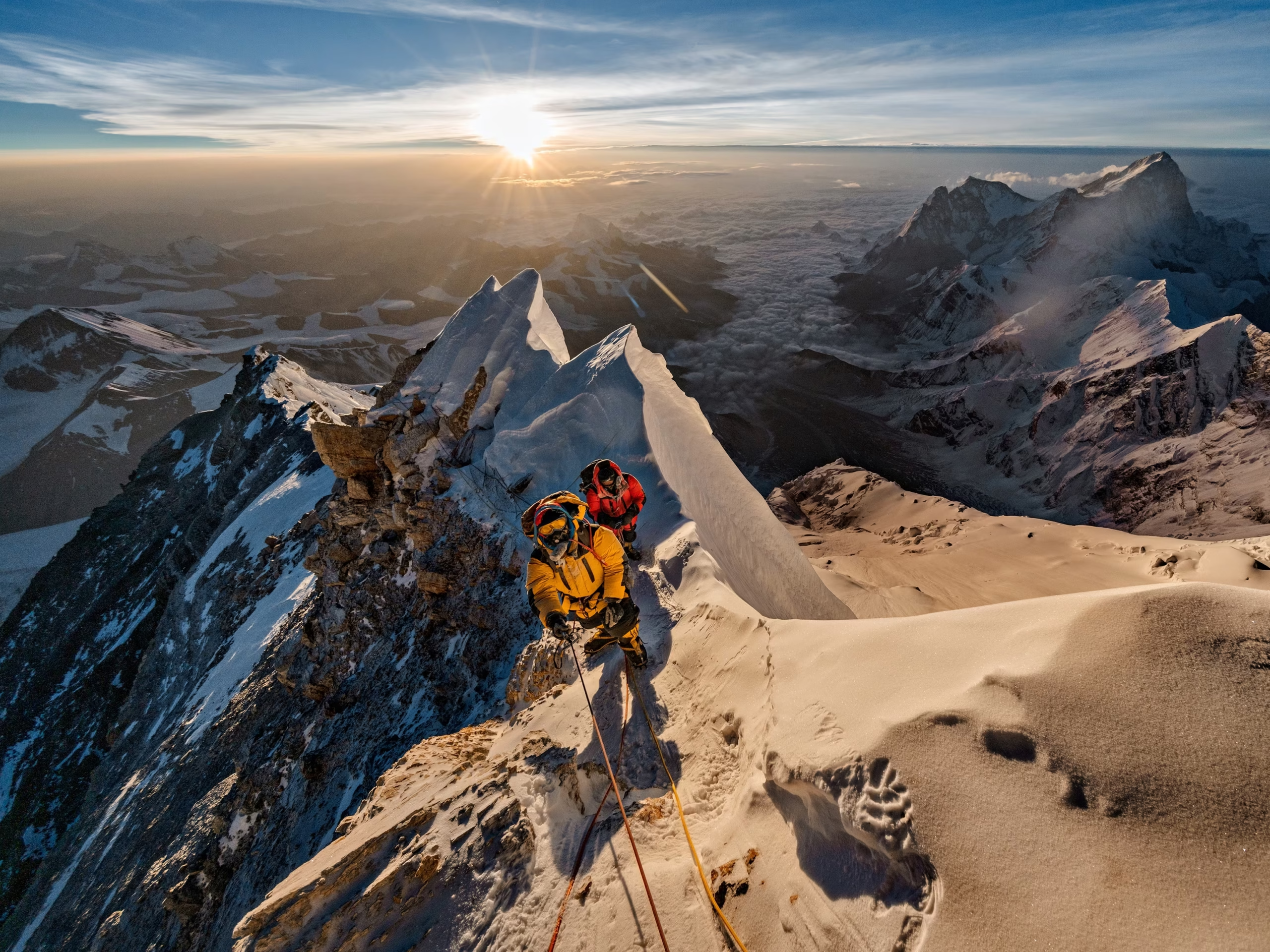
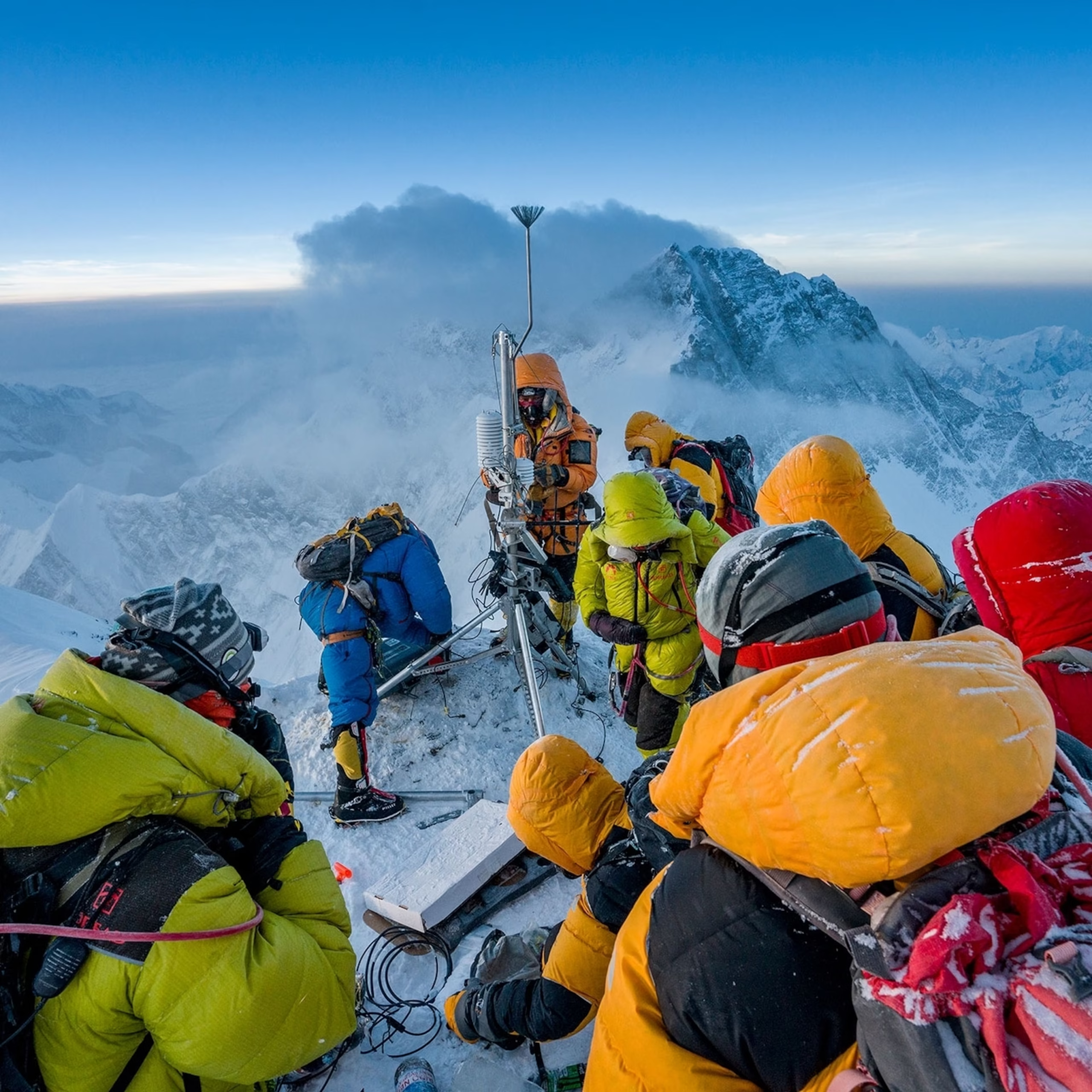
The final summit push begins from the South Col and follows the Southeast Ridge toward the summit. Climbers pass key sections including the Balcony, South Summit and Hillary Step area before reaching the summit of Everest. The ascent is supported by fixed ropes, high-altitude Sherpa assistance, supplemental oxygen and carefully planned weather windows.
An Everest expedition is not simply a longer trekking journey. It requires previous high-altitude climbing experience, technical ability, excellent physical conditioning, mental resilience and the ability to operate safely in extreme altitude. The expedition schedule therefore includes substantial acclimatization, recovery and contingency time rather than treating the summit as a fixed-date climb.
Nepal’s Department of Tourism currently lists the spring Everest Normal Route royalty at USD 15,000 per foreign climber, effective from September 1, 2025. Everest expeditions must also meet government requirements for permits and garbage management, with a USD 4,000 Everest garbage-management deposit listed by the Department of Tourism.
Overview
The Mount Everest Expedition is a full-scale high-altitude mountaineering adventure to the summit of Mount Everest at 8,848.86 m via the classic South Col route. The expedition combines progressive acclimatization, technical climbing, Sherpa support, high-camp rotations and a weather-dependent summit attempt.
Highlights
- Attempt the summit of Mount Everest at 8,848.86 m.
- Climb the classic South Col and Southeast Ridge route.
- Cross the Khumbu Icefall.
- Climb through the Western Cwm and Lhotse Face.
- Establish and climb through Camps 1, 2, 3 and 4.
- Spend time at Everest Base Camp.
- Experience high-altitude expedition life in the Khumbu.
- Climb with experienced high-altitude Sherpa support.
- Use fixed ropes through technical sections.
- Summit during the optimal Himalayan weather window.
- Experience panoramic views from the highest point on Earth.