
The Pikey Peak Trek is a scenic journey through the quieter side of Nepal’s Everest region, combining panoramic Himalayan views with peaceful trails, traditional Sherpa villages, and rich Buddhist culture. The route takes you through the beautiful landscapes of Solukhumbu, where forested hills, open mountain ridges, ancient monasteries, and small settlements create a more relaxed trekking experience.
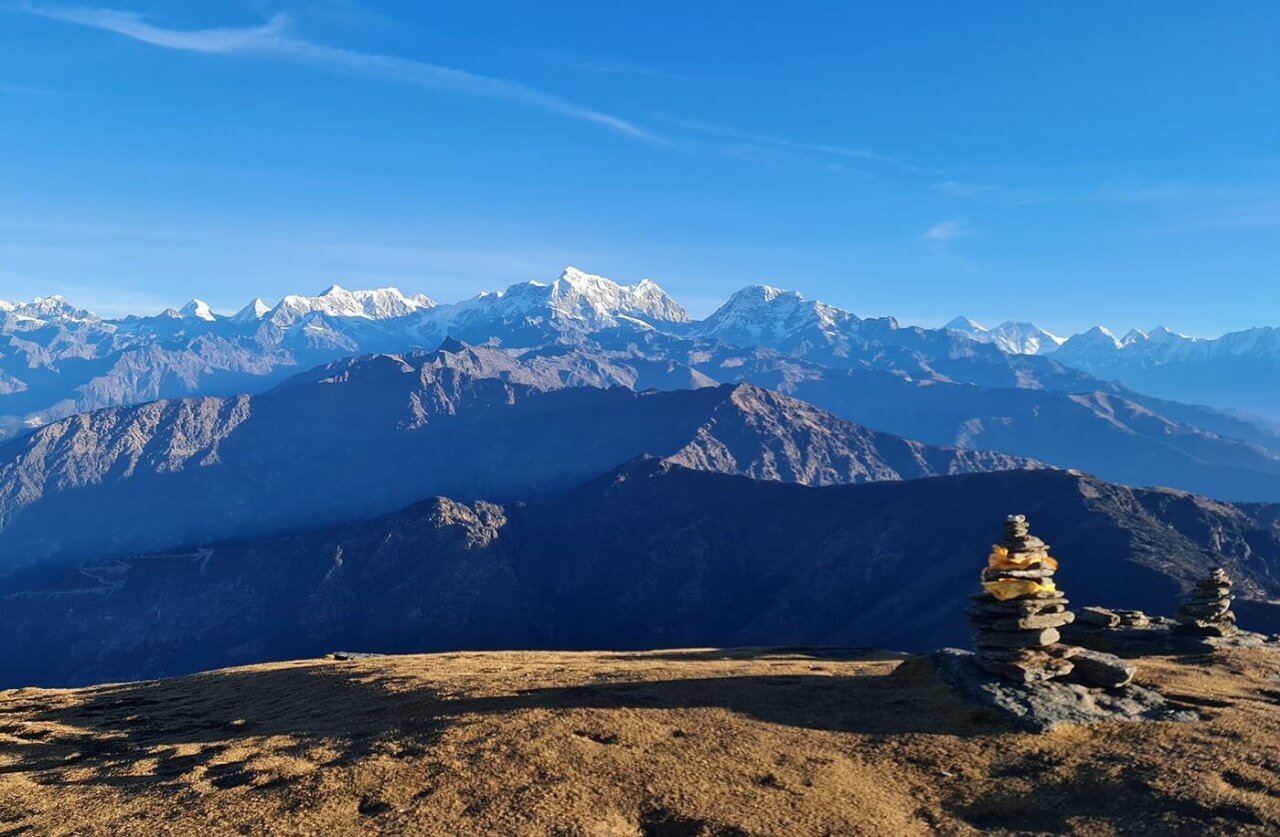
The highlight of the journey is reaching Pikey Peak at around 4,065 meters, one of the finest viewpoints in the lower Everest region. From the summit, clear mornings can reveal an impressive Himalayan panorama including Mount Everest, Makalu, Kanchenjunga, Lhotse, Numbur Himal, Gaurishankar, Mera Peak, and other surrounding peaks. The trek also brings you through Jhapre, Pikey Base Camp, Junbesi, and Phaplu, allowing you to experience the natural and cultural character of the Solukhumbu region.
With its combination of mountain scenery, Sherpa heritage, forest trails, monasteries, and a rewarding high-ridge viewpoint, the Pikey Peak Trek is an excellent choice for travelers who want to experience the Everest region without following the crowded Everest Base Camp trail.
Overview
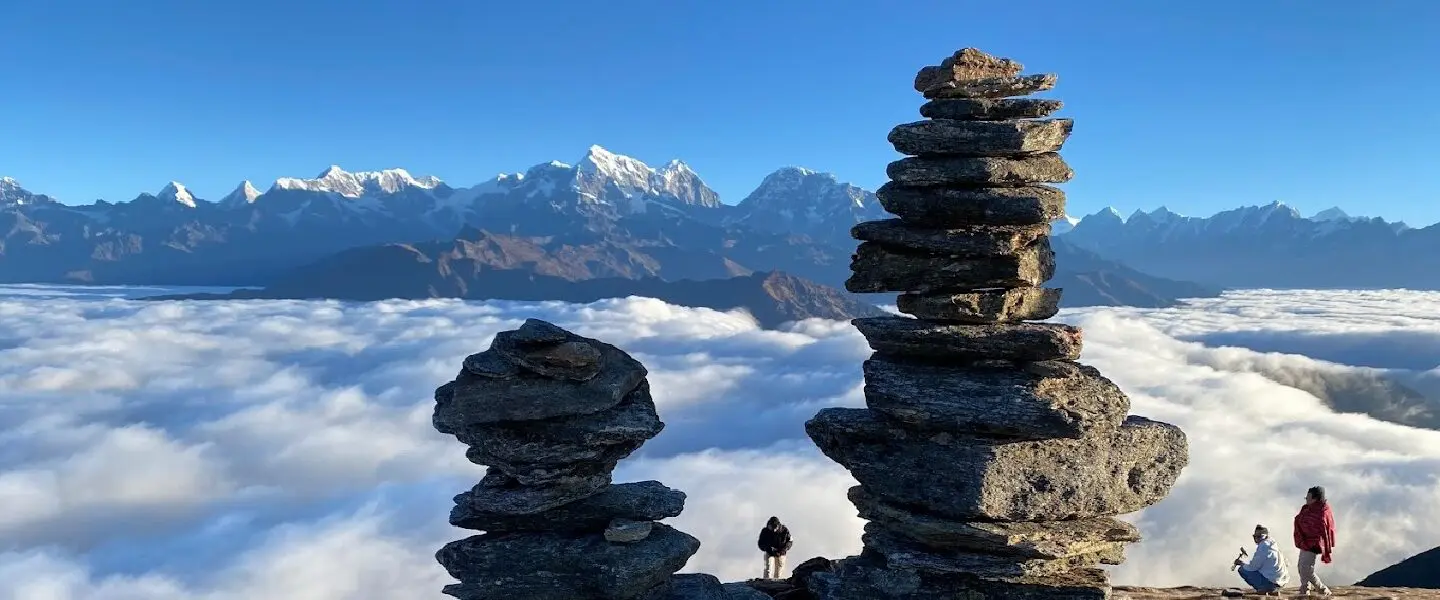
Discover the quieter side of the Everest region on the Pikey Peak Trek, a scenic Himalayan journey through Sherpa villages, rhododendron forests, Buddhist monasteries, and open mountain ridges. The trail leads to Pikey Peak at 4,065 meters, where clear-weather mornings reveal a remarkable panorama of Everest and the surrounding Himalayan ranges.
Highlights
- Sunrise panorama from Pikey Peak at 4,065 m.
- Wide views of Mount Everest and the Himalayan range.
- Mountain vistas stretching toward Makalu and Kanchenjunga on clear days.
- Peaceful trekking through the lower Solukhumbu region.
- Traditional Sherpa villages and mountain communities.
- Scenic trails through rhododendron and pine forests.
- Visit to the culturally significant Junbesi village.
- Opportunity to explore Thupten Chholing Monastery.
- Buddhist stupas, mani walls, prayer flags, and mountain monasteries.
- Experience the quieter side of the Everest region.
- Scenic overland journey between Kathmandu and the Solu region.
- Comfortable teahouse and lodge accommodation.
- Gradual ascent toward the high ridge of Pikey.
- Himalayan sunrise and sunset opportunities from the Pikey area.
- A rewarding alternative to the traditional Everest Base Camp route.
Pikey Peak Trek Overview
The Pikey Peak Trek offers a different way to experience the Everest region without following the busy trail toward Everest Base Camp. Beginning with a scenic drive from Kathmandu toward Dhap, the route gradually climbs through the peaceful landscapes of Solukhumbu, passing traditional settlements, forested hills, yak pastures, monasteries, and high ridges.
The main reward comes at Pikey Peak (4,065 m), a celebrated viewpoint in the lower Everest region. From the summit area, clear skies can reveal an extensive Himalayan panorama including Mount Everest, Lhotse, Makalu, Kanchenjunga, Numbur Himal, Gaurishankar, Mera Peak, and other surrounding peaks. The official Phaplu Civil Aviation Office also identifies Pikey Peak as a major viewpoint for Everest and several other Himalayan mountains.
The journey continues toward Junbesi, one of the traditional Sherpa settlements of the Solu region, before descending toward Phaplu and returning to Kathmandu. Along the way, the trek combines mountain scenery with opportunities to experience Buddhist traditions, local hospitality, and everyday life away from Nepal’s busiest trekking corridors.
What can you expect from the Pikey Peak Trek Package?
Exceptional Mountain Views: Panoramic Himalayan views from Pikey Peak (4,065 m), including Everest, Makalu, Kanchenjunga, and Numbur Himal on clear days.
Sherpa Culture & Local Life: Experience traditional Sherpa villages, Buddhist monasteries, prayer walls, farming communities, and local mountain hospitality.
Forests & Open Ridges: Trek through pine and rhododendron forests, yak pastures, alpine meadows, and open mountain ridges.
Pikey Peak Sunrise: Begin an early-morning summit hike to reach Pikey Peak around sunrise, when the Himalayan peaks become illuminated by the first light.
Junbesi & Buddhist Heritage: Explore Junbesi, a traditional Sherpa settlement, with nearby monasteries including Thupten Chholing adding cultural depth to the trek.
Benefits of Booking Pikey Peak Trek with us
- Experienced Local Guides: Trek with knowledgeable local guides familiar with the Pikey Peak route, mountain conditions, and local communities.
- Well-Planned Trekking Route: Follow a carefully organized itinerary covering Dhap, Jhapre, Pikey Base Camp, Pikey Peak, Junbesi, and Phaplu.
- Pikey Peak Sunrise Experience: Get the opportunity to make the early-morning summit hike to 4,065 m and enjoy panoramic Himalayan views at sunrise.
- Authentic Sherpa Experience: Travel through traditional villages and local teahouses while experiencing the culture and hospitality of the Solukhumbu region.
- Local Teahouse Accommodation: Stay in locally operated teahouses along the trail for a practical and authentic mountain experience.
- Cultural & Monastery Visits: Explore the cultural heritage of the region, including Junbesi and Thupten Chholing Monastery.
- Private & Flexible Trek Options: Customize the trekking pace, itinerary, transportation, and trip arrangements according to your group’s needs.
- Complete Trek Support: Receive assistance with transportation, permits, accommodation, guides, and essential trekking arrangements throughout the journey.
Itinerary
The 9-day Pikey Peak Trek takes you from Kathmandu through Dhap, Jhapre, Pikey Base Camp, and the summit of Pikey Peak before descending through Junbesi and Phaplu. Experience spectacular Himalayan sunrise views, peaceful Sherpa villages, rhododendron forests, and Buddhist monasteries along this scenic and less-crowded Everest-region trail.
Welcome to Kathmandu, Nepal, the starting point of your Pikey Peak trek, one of the best short treks in the Everest region. On arrival at Tribhuvan International Airport, our representative will meet you for a private airport pickup and transfer you to your hotel in the city. After settling in, you can relax or explore the surrounding area. In the evening, your trekking guide and team will hold a trip briefing, explain the trekking route, check your trekking gear and equipment, and help you prepare for your Himalayan adventure into the Solukhumbu region. Enjoy a welcome dinner and a comfortable overnight stay at 1,400 m in Kathmandu.
Accommodation: Hotel
Meals: Welcome Dinner
Altitude: 1,400 m
After breakfast, begin the scenic drive from Kathmandu to Dhap Bazaar, the trailhead of your Pikey Peak trek in the Solukhumbu region of Nepal. The journey follows winding hill roads through changing Himalayan landscapes, passing terraced farmland, traditional villages, rivers, and forested hills along the way. As you approach Dhap, the scenery becomes more mountainous and the air noticeably cooler. Dhap is the starting point for the main trekking section and offers a peaceful introduction to the Everest region and the rich Sherpa culture of the area. Enjoy lunch and dinner on the way and stay overnight in a local teahouse at 2,932 m.
Driving Distance: Approximately 230–240 km
Driving Time: 8–9 hours
Accommodation: Teahouse/Lodge
Meals: Breakfast, Lunch & Dinner
Altitude: 2,932 m
Your first trekking day on the Pikey Peak trek begins with a gradual walk through the hills surrounding Dhap in the Solukhumbu region of Nepal. The trekking trail passes through cultivated land and forest before reaching the area around Sigane, where the landscape begins to open toward the Himalayan ridges. Continue along the trail toward Jhapre, a traditional Sherpa village known for its peaceful surroundings and stunning mountain scenery. Depending on weather conditions, you may get early views of Numbur Himal and other Himalayan peaks. Enjoy breakfast, lunch, and dinner today, and stay overnight in a local teahouse at 2,820 m.
Walking Distance: Approximately 13 km
Trekking Time: 5-6 hours
Accommodation: Teahouse/Lodge
Meals: Breakfast, Lunch & Dinner
Altitude: 2,820 m
Leave Jhapre and follow the ridge toward the higher elevations of Pikey Peak in the Solukhumbu region of Nepal. The trekking trail winds through pine and rhododendron forests, with sections of open pasture and traditional grazing areas along the way. As you climb higher, the landscape becomes more expansive and the surrounding Himalayan mountains begin to dominate the horizon. Continue toward Pikey Base Camp, where you will spend the night in a mountain teahouse, preparing for the early-morning summit hike and sunrise views. Enjoy breakfast, lunch, and dinner today and stay overnight at 3,640 m.
Walking Distance: Approximately 12-14 km
Trekking Time: 5-6 hours
Accommodation: Teahouse/Lodge
Meals: Breakfast, Lunch & Dinner
Altitude: 3,640 m
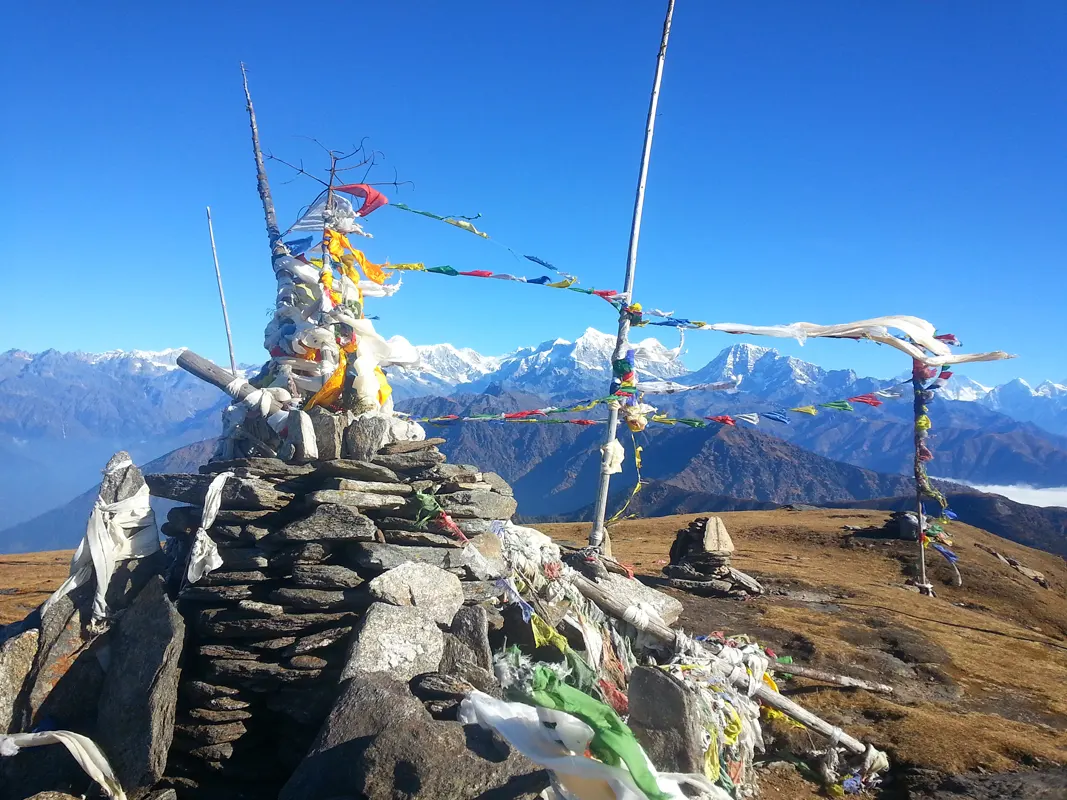
This is the main highlight of the Pikey Peak trek. Start before sunrise and follow the uphill trail toward the summit of Pikey Peak at 4,065 m in the Solukhumbu region of Nepal. The climb takes you through open highland terrain to the summit area, where colorful prayer flags mark the viewpoint. From the top, clear weather can reveal a sweeping Himalayan panorama, including Mount Everest, Makalu, Lhotse, Kanchenjunga, Numbur Himal, Gaurishankar, Mera Peak, and other surrounding peaks. After spending time at the summit enjoying the sunrise views, descend and continue through forests and mountain landscapes toward Junbesi. Junbesi is one of the important Sherpa villages in the Solu region and offers a very different atmosphere from the high ridges of Pikey. Enjoy breakfast, lunch, and dinner today and stay overnight in a local teahouse at 2,700 m.
Walking Distance: Approximately 14 km
Trekking Time: 7-8 hours
Accommodation: Teahouse/Lodge
Meals: Breakfast, Lunch & Dinner
Highest Point: 4,065 m
Overnight Altitude: 2,700 m
Take a slower day around Junbesi and explore the cultural side of the Solu region in the Everest region of Nepal. The Sherpa village is surrounded by forested hills and is closely connected with Sherpa Buddhist traditions. You can hike toward Thupten Chholing Monastery, an important Buddhist monastery in the area, before returning to Junbesi. This rest day also provides valuable recovery time and acclimatization after the Pikey Peak summit, while allowing you to experience authentic local village life at a more relaxed pace. Enjoy breakfast, lunch, and dinner today and stay overnight in a local teahouse at approximately 2,700 m.
Walking Time: Approximately 3-5 hours, depending on exploration
Accommodation: Teahouse/Lodge
Meals: Breakfast, Lunch & Dinner
Altitude: Approximately 2,700 m
After breakfast, leave Junbesi and continue south toward Phaplu, the main town of the Solukhumbu district in the Everest region of Nepal. The trekking trail gradually descends through forests, terraced farmland, small Sherpa settlements, and river valleys. The walking becomes easier as you lose elevation, offering a chance to appreciate the changing landscape of Solukhumbu and the beauty of the Himalayan foothills. Arrive in Phaplu and settle into your lodge for your final night of the Pikey Peak trek. Enjoy breakfast, lunch, and dinner today and stay overnight in a local teahouse at approximately 2,380 m.
Walking Distance: Approximately 11-14 km
Trekking Time: 5-6 hours
Accommodation: Teahouse/Lodge
Meals: Breakfast, Lunch & Dinner
Altitude: Approximately 2,380 m
After breakfast, begin the return journey from Phaplu to Kathmandu by road, concluding your Pikey Peak trek in the Everest region of Nepal. The scenic drive takes you back through the hills and rural landscapes of eastern Nepal before reconnecting with the main highway toward the capital. The journey is long but provides a final opportunity to enjoy Nepal’s changing scenery, from mountain villages and terraced hills to the Kathmandu Valley. On arrival, enjoy a private transfer to your hotel in Kathmandu and a well-earned rest after your Himalayan adventure. Lunch is included during the drive, and you will stay overnight in a hotel at 1,400 m.
Driving Time: Approximately 8-10 hours
Accommodation: Hotel
Meals: Breakfast & Lunch
Altitude: 1,400 m
Your Pikey Peak trek in Nepal comes to an end today. Depending on your flight schedule, you can enjoy some free time in Kathmandu before our representative provides your airport transfer to Tribhuvan International Airport for your onward journey. If you are staying longer in Nepal, TrekUp Nepal can also help arrange additional activities, such as sightseeing in the Kathmandu Valley, or extend your trip to other Himalayan trekking destinations, including the Everest region and Annapurna.
Meals: Breakfast
Trip Ends: Kathmandu
Includes/Excludes
Cost Includes
- Airport pickup and drop-off by private vehicle, as per the itinerary
- Kathmandu hotel accommodation with breakfast, as specified in the package
- Transportation between Kathmandu and the Pikey Peak trek starting point (Dhap) by shared or private vehicle, according to the package
- Teahouse or lodge accommodation during the Pikey Peak trek in the Solukhumbu region
- Breakfast, lunch, and dinner during trekking days
- Licensed and experienced English-speaking trekking guide
- Porter service according to the selected package
- Guide and porter wages, meals, accommodation, and travel insurance
- Required trekking permits and local entry fees, including the Pasang Lhamu Rural Municipality permit where applicable
- TIMS card or applicable trekking registration fees where required
- Trekking duffel bag for use during the journey
- Basic first-aid kit
- Oxygen and altitude monitoring support (pulse oximeter) where applicable
- Government taxes and applicable service charges
- Pre-trek briefing and route coordination in Kathmandu
- 24/7 emergency assistance and trip coordination
Cost Excludes
- International airfare to and from Kathmandu, Nepal
- Nepal entry visa (available on arrival at Tribhuvan International Airport or online)
- Travel insurance covering trekking up to 4,100 m
- Helicopter evacuation and medical expenses
- Personal trekking equipment and clothing, including trekking boots and a sleeping bag
- Lunch and dinner in Kathmandu unless specifically included
- Snacks, bottled water, soft drinks, and alcoholic beverages during the Pikey Peak trek
- Hot showers, Wi-Fi, device charging, and other personal services at teahouses during the trek
- Laundry and personal communication expenses
- Additional accommodation or transportation caused by delays or itinerary changes
- Expenses resulting from bad weather, road closures, natural disasters, or other unforeseen circumstances
- Tips for trekking guides, porters, drivers, and support staff
- Any service not specifically mentioned under Cost Includes
Add-Ons and Options
Make your Pikey Peak Trek more comfortable and flexible with optional services designed around your travel preferences. Whether you want to reduce your backpack weight, upgrade your transportation, or make your journey back to Kathmandu more convenient, you can select the options that best suit your trip.
- Porter Service – USD 140: Enjoy a more comfortable trek while our experienced porter carries your main luggage. One porter can carry up to 20–25 kg, shared between two trekkers.
- Private Jeep from Kathmandu to Dhap – USD 150: Upgrade from shared transportation to a private Jeep for a more comfortable and flexible journey to the starting point of your Pikey Peak Trek.
- Private Jeep from Phaplu to Kathmandu – USD 150: Choose a private Jeep after completing the trek for a more comfortable return journey from Phaplu to Kathmandu.
- Phaplu to Kathmandu Flight – From USD 125: Replace the long road journey with a domestic flight from Phaplu to Kathmandu when flights are operating and seats are available.
- Trekking Gear Rental: Add essential equipment such as a sleeping bag, down jacket, trekking poles, or other gear if you prefer not to bring everything from home.
How to Personalize Your Pikey Peak Trek with Our Add-Ons?
- Step 1: Select your preferred departure date.
- Step 2: Specify the number of travelers.
- Step 3: Click “Book Now” or “Add to Cart.”
- Step 4: Select the add-ons that best suit your trek.
- Step 5: Complete your booking and payment.
Best time to do Pikey Peak Trek:
Spring — March to May
- Best for: Rhododendron blooms, comfortable trekking temperatures, and good mountain views.
- March–April: Particularly attractive for blooming rhododendrons and clear morning views.
- May: Still suitable, although afternoon clouds can become more frequent.
- Trail conditions: Generally dry and comfortable for trekking.
Autumn — September to November
- Best for: Clear skies, stable weather, dry trails, and excellent Himalayan visibility.
- October–November: Particularly favorable for sunrise views from Pikey Peak.
- September: Conditions improve as the monsoon ends, with clearer weather toward the latter part of the month.
- Trail conditions: Usually dry and stable, making autumn one of the most reliable trekking periods.
Winter — December to February
- Best for: Quiet trails, crisp skies, and excellent visibility on clear days.
- December: Cold mornings and nights, particularly around higher elevations.
- January–February: Snow and freezing temperatures can occur around the summit, so proper winter clothing and suitable equipment are important.
- Trail conditions: Trekking is possible, but snow and ice can make the higher sections more challenging.
Monsoon — June to August
- Weather: Frequent rainfall, cloud cover, and humid conditions.
- Trail conditions: Trails can become muddy and slippery, with leeches possible in forested sections.
- Mountain views: Clouds and rain can significantly reduce visibility of the Himalayan peaks.
- Travel conditions: Heavy rainfall can also affect road access to the trekking area.
- Recommendation: Generally less favorable if your priority is clear mountain and sunrise views.
.
What Our Travelers Say
Read reviews from travelers who have joined our Himalayan trips. See what they enjoyed and what they thought about their experience.
Frequently Asked Questions
Faq's
The highest point is Pikey Peak at approximately 4,065 meters (13,336 ft).
Yes. On clear days, Pikey Peak provides broad views of Everest and numerous surrounding Himalayan peaks.
The trek is generally considered easier than high-altitude routes such as Everest Base Camp or the major Himalayan passes, but there are still sustained uphill sections and altitude to manage.
No advanced trekking experience is required. However, you should have reasonable fitness and be comfortable walking on uneven mountain trails.
The standard Dhap-based itinerary uses road transportation rather than a Lukla flight. Some alternative itineraries use Phaplu flights when available.
Spring and autumn are generally the most favorable seasons for clear mountain views and comfortable trekking conditions.
The route uses local teahouses and lodges. Facilities are generally simple, particularly around the higher sections of the trail.
Depending on visibility, the panorama can include Everest, Lhotse, Makalu, Kanchenjunga, Numbur Himal, Gaurishankar, Mera Peak, Thamserku, and other Himalayan peaks.
Yes. Although the maximum elevation is lower than many major Everest-region treks, Pikey Peak still reaches above 4,000 meters. Trekkers should ascend gradually, stay hydrated, and report unusual symptoms to their guide.
Trekking regulations and route requirements should be checked for the specific itinerary, and traveling with a licensed guide provides navigation, logistical, and safety support. Nepal Tourism Board currently requires licensed guides and TIMS on specified trekking routes.
Yes. Porter service can be arranged so you only carry your daypack during the trek.
It can suit active families and travelers who are comfortable with several hours of walking, provided the itinerary is planned around the group's fitness and acclimatization needs.
Bring layered clothing, trekking shoes, warm outerwear, gloves, a hat, sunglasses, sunscreen, a water bottle, personal medication, and other essential trekking gear. Your final packing list can be provided before departure.
Pikey Peak focuses on panoramic mountain views, quieter trails, Sherpa communities, forests, and cultural experiences rather than reaching Everest Base Camp. It is a different route and does not visit EBC.
Yes. The route can generally be adjusted with private transportation, additional village stays, extra Kathmandu nights, or other trekking arrangements depending on trail conditions and your schedule.