
Island Peak Climbing is a challenging Himalayan climbing adventure in Nepal’s Everest region, taking you from the classic Khumbu trekking trails to the summit of Island Peak (Imja Tse) at 6,189 meters. The journey combines high-altitude trekking, Sherpa culture, alpine scenery, glacier travel, climbing training, and a genuine Himalayan summit experience.
Unlike a standard Everest-region trek, Island Peak requires you to progress from trekking terrain into a technical climbing environment. The route gradually gains altitude through Phakding, Namche Bazaar, Tengboche, Dingboche and Chhukung before reaching Island Peak Base Camp and the high-altitude climbing section. Current operating itineraries commonly include acclimatization at Namche and Dingboche, climbing preparation around Chhukung/Base Camp, an early summit attempt and a contingency day.
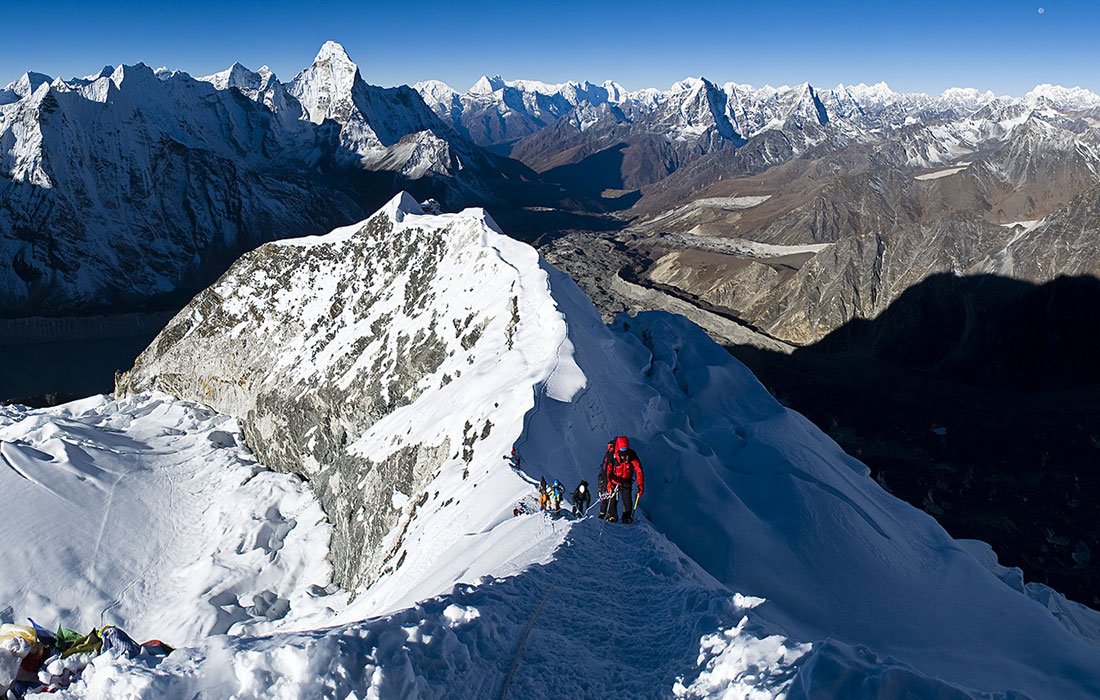
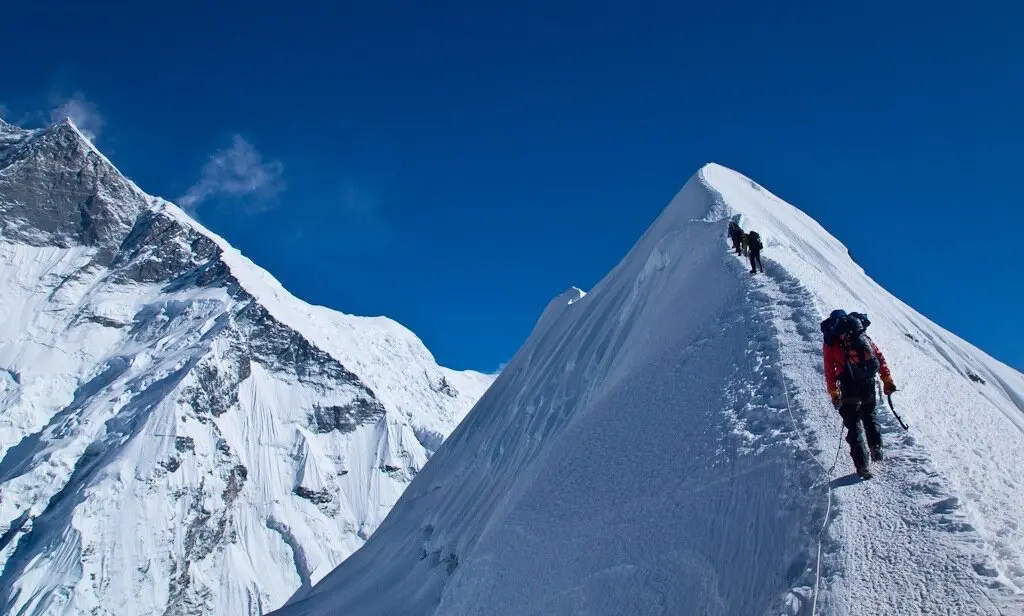
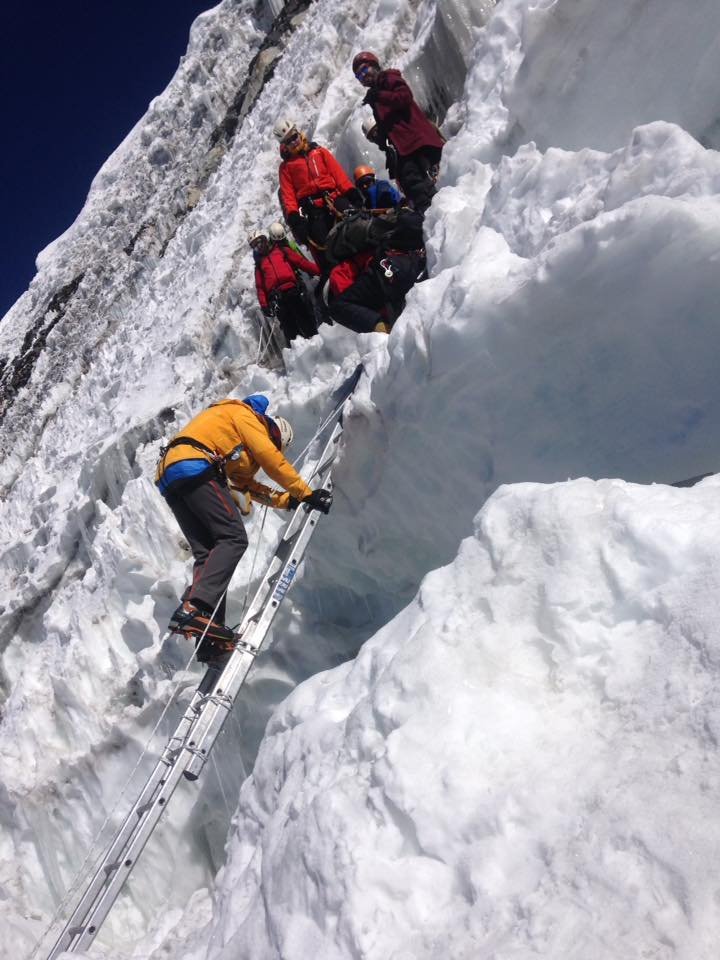
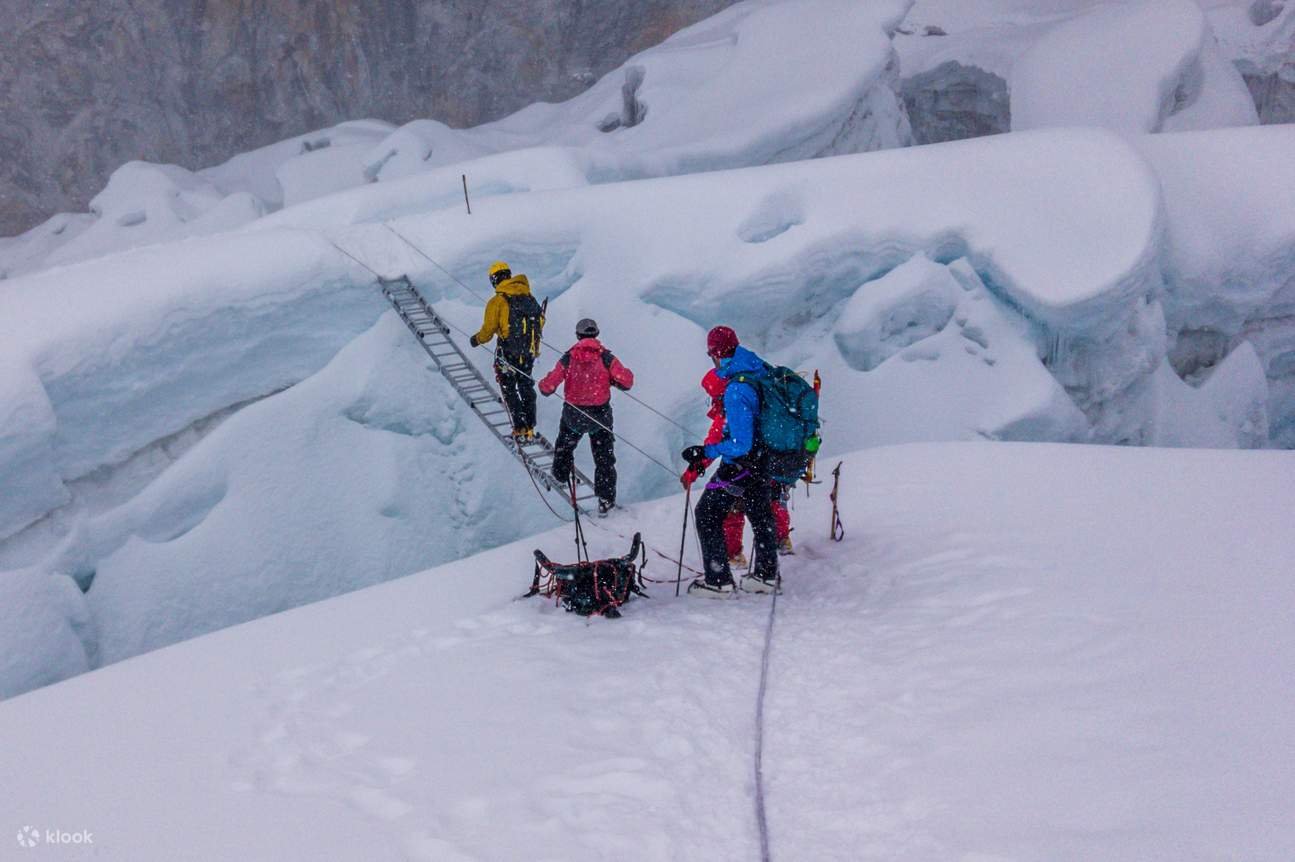
The summit section involves glacier travel, crampons, an ice axe, climbing harness and fixed-rope techniques. Depending on current mountain conditions, climbers may encounter steep snow and ice terrain and other technical features. Island Peak is therefore more demanding than a normal trek and requires good physical preparation, proper equipment and experienced climbing support.
From the summit, climbers can experience impressive views across the Khumbu Himalaya, including Lhotse, Nuptse, Ama Dablam, Makalu and other surrounding peaks when weather conditions are clear. The combination of a classic Everest-region trek and a 6,000-meter summit makes Island Peak a significant step from trekking toward Himalayan mountaineering.
Overview
Highlights
- Reach the summit of Imja Tse, one of Nepal's best-known trekking peaks.
- Walk through Phakding, Namche Bazaar, Tengboche, Dingboche and Chhukung.
- Experience traditional settlements, Buddhist monasteries and the distinctive culture of the Khumbu.
- Dedicated acclimatization days at Namche and Dingboche help prepare for progressively higher elevations.
- Practice essential techniques including crampon movement, ice-axe handling, harness use and fixed-rope systems before the summit attempt.
- Enter the climbing environment beneath the dramatic south face of Lhotse and Island Peak.
- Spend a night at approximately 5,500–5,600 m before the summit push, depending on route and conditions.
- Start during the night or very early morning to take advantage of suitable snow and weather conditions.
- Experience genuine high-altitude climbing rather than only trekking terrain.
- Enjoy views toward Lhotse, Nuptse, Ama Dablam, Makalu and other Himalayan peaks from higher sections of the route.
- A reserve day provides flexibility if weather or mountain conditions prevent the planned summit attempt.
- Travel with a trained mountain team throughout the trekking and climbing sections.
Island Peak Climbing Overview
Rising to 6,189 meters in the heart of Nepal’s Khumbu region, Island Peak (Imja Tse) offers a remarkable transition from Himalayan trekking to real peak climbing. The adventure begins on the legendary trails of the Everest region, passing through Sherpa villages, Buddhist monasteries, alpine forests, and high mountain valleys before leaving the main trekking route behind for the dramatic landscapes surrounding Island Peak.
The journey gradually builds toward the climb, with acclimatization in Namche Bazaar and Dingboche followed by time in Chhukung, where the mountain becomes the central focus of the expedition. As the altitude increases, the scenery changes from familiar trekking paths to rugged moraine, snow and glacial terrain. Before the summit attempt, climbers receive practical preparation with essential mountaineering equipment and techniques.
The defining moment comes with the early-morning ascent toward the 6,189-meter summit of Island Peak. The climb involves snow and glacier terrain, crampons, an ice axe, harness systems and fixed-rope sections, making the summit a genuine mountaineering achievement rather than simply an extension of a trek. With the first light of day spreading across the Khumbu, the summit can reveal an extraordinary panorama of Lhotse, Nuptse, Ama Dablam, Makalu and surrounding Himalayan peaks.
Island Peak Climbing with TrekUp Nepal is designed for adventurers who want more than a high-altitude trek. It combines the culture and landscapes of the Everest region with structured acclimatization, climbing preparation and the challenge of standing on a Himalayan summit above 6,000 meters.
What can you expect from the Island Peak Climbing Package?
- Gradual Altitude Gain — Follow a progressive route through Phakding, Namche Bazaar, Tengboche, Dingboche and Chhukung before entering the Island Peak climbing section.
- Dedicated Acclimatization — Planned acclimatization stops at key elevations give your body time to adjust before moving toward Base Camp and the summit.
- Classic Khumbu Experience — Trek through Sherpa villages, Buddhist monasteries, suspension bridges, alpine forests and dramatic Himalayan valleys on the way to Island Peak.
- Climbing Preparation — Receive practical guidance on essential climbing techniques and equipment before tackling the technical sections of the mountain.
- High-Altitude Training — Use the Chhukung and Island Peak Base Camp stages to prepare physically and mentally for the demanding summit push.
- Island Peak Base Camp — Reach the mountain’s base at approximately 5,100 meters, where the landscape changes from trekking terrain to rugged moraine, snow and glacial surroundings.
- High Camp Experience — Move higher into the mountain environment and prepare for the early-morning summit attempt from around the high camp area.
- Technical Summit Ascent — The climb involves steep snow and ice terrain, crampons, an ice axe, harness systems and fixed ropes depending on current route conditions.
- 6,189-Meter Summit — Stand on the summit of Island Peak (Imja Tse) at 6,189 meters after a demanding high-altitude ascent.
- Early-Morning Summit Push — Begin the summit attempt during the early hours to take advantage of the typically more favorable morning conditions.
- Himalayan Panorama — In clear weather, enjoy expansive views toward Lhotse, Nuptse, Ama Dablam, Makalu and other peaks of the Khumbu region.
- Professional Local Support — Travel with a planned trekking and climbing team handling route logistics, acclimatization, climbing support and day-to-day coordination.
- Contingency for Mountain Weather — A flexible schedule can provide valuable time to respond to changing weather or route conditions and, where appropriate, allow another opportunity for the summit attempt.
- Trek and Climb in One Journey — Experience the cultural and scenic highlights of the Everest region while progressing toward a genuine 6,000-meter Himalayan climbing objective.
Benefits of Booking Island Peak Climbing with us
- Trek with experienced local mountain professionals familiar with the Khumbu terrain and high-altitude environment.
- The itinerary allows time at key elevations rather than rushing directly toward Base Camp.
- Receive practical instruction and equipment preparation before the summit attempt.
- TrekUp Nepal coordinates the trekking, climbing, accommodation, transportation and required permits as part of the package.
- Travel with a Nepal-based team familiar with the local trails, villages and mountain conditions.
- Choose a private departure or travel with a suitable group according to your preference.
- A contingency day gives the climbing team additional flexibility when summit conditions are unsuitable.
- Receive assistance throughout the journey from Kathmandu to the Khumbu and back.
- Summit decisions are based on weather, route conditions, altitude, individual condition and the climbing guide’s assessment rather than simply attempting the summit at any cost.
- Receive guidance on essential climbing equipment and preparation before departure.
Itinerary
An exciting 18-day Himalayan adventure combining the classic Everest region trek with the technical challenge of climbing Island Peak at 6,189 meters. Trek through Namche, Tengboche, Dingboche and Chhukung before summit training, glacier climbing and the final Island Peak ascent.
Welcome to Nepal. Upon arrival at Tribhuvan International Airport, a TrekUp Nepal representative will meet you and transfer you to your hotel in Kathmandu. After checking in, you can rest and recover from your journey. Depending on your arrival time, you may have an opportunity to explore the surrounding area. In the evening, your trekking and climbing team will provide an introduction to the upcoming journey, including the route, altitude, accommodation, meals, equipment and general climbing procedures.
Overnight: Kathmandu Hotel
Meals: Welcome/meal arrangement as specified
Today is dedicated to preparation for the Island Peak adventure. You will meet your climbing guide and review the itinerary, permits, equipment and trekking arrangements. Your guide can inspect your technical climbing equipment and advise you if anything essential is missing. This is also an opportunity to organize your trekking duffel, personal daypack and climbing equipment before heading into the Khumbu.
If required, you can use this day to arrange rental equipment in Kathmandu.
Overnight: Kathmandu Hotel
Meals: Breakfast
Your Himalayan journey begins with a flight toward Lukla, the main gateway to the Khumbu trekking region. Flight operations can be affected by weather and seasonal airport arrangements, so the exact departure airport and schedule may vary. From Lukla, begin walking along the Dudh Koshi valley toward Phakding. The trail passes through small settlements, forests and mountain landscapes as you gradually enter the Everest region. The first trekking day is intentionally short, allowing your body to begin adapting to the altitude.
Trek: Lukla to Phakding
Elevation: Lukla 2,860 m / Phakding approximately 2,610 m
Walking: Approximately 3–4 hours
Overnight: Phakding Teahouse
Meals: Breakfast, Lunch and Dinner
After breakfast, continue north along the Dudh Koshi River. The route crosses several suspension bridges and passes through Monjo before entering Sagarmatha National Park. From Jorsalle, the trail continues toward the steep climb leading to Namche Bazaar. As you approach Namche, the landscape becomes increasingly mountainous. With favorable visibility, you may begin seeing peaks of the Khumbu range. Namche Bazaar is the main commercial and cultural center of the Khumbu region and an important acclimatization point.
Trek: Phakding – Monjo – Jorsalle – Namche
Elevation: Approximately 3,440 m
Walking: Approximately 5–6 hours
Overnight: Namche Teahouse
Meals: Breakfast, Lunch and Dinner
Today is an important acclimatization day. Rather than spending the entire day inactive, take a gradual hike to a higher elevation and return to Namche to sleep. A common option is the route toward the Everest View Hotel, with views toward Everest, Lhotse, Ama Dablam and surrounding peaks in clear weather. You can also explore Namche's local market area and Sherpa cultural sites. The objective is to allow your body to adapt to the increasing elevation before moving higher into the Khumbu.
Hiking: Approximately 3–4 hours
Overnight: Namche Teahouse
Meals: Breakfast, Lunch and Dinner
Leave Namche and follow the scenic trail along the mountainside. The route offers impressive views across the Khumbu before descending toward the Dudh Koshi valley. After crossing the river near Phunki Tenga, the trail climbs through rhododendron and conifer forest toward Tengboche. Tengboche is famous for its monastery and its dramatic mountain setting, particularly the views toward Ama Dablam. Depending on the monastery schedule, you may have an opportunity to visit the monastery.
Trek: Namche – Kyangjuma – Phunki Tenga – Tengboche
Elevation: Approximately 3,860 m
Walking: Approximately 5–6 hours
Overnight: Tengboche Teahouse
Meals: Breakfast, Lunch and Dinner
Continue toward the higher Khumbu Valley. The trail descends through forest before reaching Pangboche and then follows the Imja Khola valley toward the alpine settlement of Dingboche. As you gain elevation, vegetation becomes thinner and the surrounding mountains become more dominant. Dingboche is one of the principal acclimatization settlements on the route and is an important preparation point before heading toward Chhukung and Island Peak.
Trek: Tengboche – Pangboche – Somare – Dingboche
Elevation: Approximately 4,410 m
Walking: Approximately 5–6 hours
Overnight: Dingboche Teahouse
Meals: Breakfast, Lunch and Dinner
Another important acclimatization day is spent in Dingboche. A gradual hike toward Nagarjun Hill or another nearby higher viewpoint allows you to gain additional elevation during the day before returning to Dingboche to sleep. The exact hiking route can be adjusted according to weather, individual condition and the climbing guide's assessment. This day is particularly valuable because the next part of the journey takes you above 4,500 m and toward the Island Peak climbing zone.
Hiking: Approximately 3–5 hours
Overnight: Dingboche Teahouse
Meals: Breakfast, Lunch and Dinner
Today the route turns deeper into the Imja Valley. The trail is relatively shorter than some previous trekking days, allowing you to make a controlled transition toward the higher climbing area. Island Peak gradually becomes more prominent as you approach Chhukung. The village sits at approximately 4,730 m and is the final major settlement before the Island Peak Base Camp section. If conditions and your physical condition allow, there may be an opportunity for a short acclimatization hike around Chhukung.
Trek: Dingboche – Chhukung
Elevation: Approximately 4,730 m
Walking: Approximately 3–4 hours
Overnight: Chhukung Teahouse
Meals: Breakfast, Lunch and Dinner
Today focuses on preparation rather than distance. Your climbing guide will introduce or review the technical skills needed for Island Peak. Depending on route conditions and the team's training plan, practice can include Crampon fitting and movement, Ice-axe handling, Harness fitting, Carabiner and rope use, Ascender/fixed-rope technique, Basic glacier movement, Climbing communication, and Equipment checks. The purpose is not to turn the day into a technical climbing course but to make sure you understand the equipment and movements you may need during the summit attempt.
Overnight: Chhukung Teahouse
Meals: Breakfast, Lunch and Dinner
Current operators commonly include climbing preparation before the Base Camp and summit sections.
After breakfast, leave Chhukung and follow the trail toward Island Peak Base Camp. The landscape becomes increasingly rugged as the route moves away from the normal trekking settlements. You will encounter moraine terrain and increasingly dramatic views of Island Peak and the surrounding mountains. Upon reaching Base Camp, the climbing team will organize the camp and complete another equipment check. Depending on conditions, the guide may conduct additional practical training around camp.
Trek: Chhukung – Island Peak Base Camp
Elevation: Approximately 5,087–5,100 m
Walking: Approximately 3–4 hours
Overnight: Island Peak Base Camp tent
Meals: Breakfast, Lunch and Dinner
Current operating itineraries place Island Peak Base Camp at approximately 5,087–5,100 m.
Today you enter the higher climbing zone. After breakfast and final preparation, ascend from Base Camp toward High Camp. The route involves moraine and high-altitude terrain before reaching the camping area below the upper climbing section. At High Camp, the team prepares for the summit attempt. Your guide will review the next day's route, climbing system, turnaround considerations, weather and equipment. An early dinner is normally followed by rest because the summit attempt begins during the night or very early morning.
Trek/Climb: Base Camp – High Camp
Elevation: Approximately 5,500–5,600 m
Walking/Climbing: Approximately 3–4 hours
Overnight: High Camp
Meals: Breakfast, Lunch and Dinner
High Camp elevations vary slightly among operating itineraries, with approximately 5,500–5,600 m commonly used.
This is the main climbing day. You will wake during the night and prepare for the summit attempt. The climb begins before dawn, with the exact departure time determined by the climbing guide and mountain conditions. The early start helps the team reach the higher technical sections while conditions are suitable. The route moves through snow and glacier terrain before reaching the steeper upper section. Climbers use crampons and other technical equipment, with fixed-rope systems used on steeper sections where installed and appropriate. The final climb toward the summit requires concentration, steady pacing and careful movement. After reaching the 6,189 m summit of Island Peak, take time to appreciate the Himalayan panorama and capture photographs when conditions permit. The descent is equally important. Descend carefully through the technical sections and continue toward the lower camp according to the team's condition and the guide's plan.
Maximum Elevation: 6,189 m
Climbing Duration: Approximately 10–13+ hours depending on conditions
Overnight: Base Camp or lower camp according to the climbing team's plan
Meals: Breakfast, Lunch and Dinner
Island Peak summit days commonly involve a pre-dawn start, glacier travel, fixed-rope climbing and a long round trip. Current operating sources report roughly 10–13 hours, although actual duration varies significantly with weather, route conditions and individual pace.
Important: Reaching the summit is never guaranteed. The climbing guide may turn the team around because of weather, altitude-related illness, route conditions, equipment problems, insufficient progress or other safety concerns.
This day is reserved for the summit attempt if weather, route conditions or other circumstances prevent a safe climb on the planned summit day. If the summit has already been successfully completed, the day can be used flexibly according to the team's condition and itinerary. A contingency day is an important part of a high-altitude climbing itinerary because mountain weather can change rapidly and summit conditions cannot be guaranteed in advance.
Overnight: According to the adjusted itinerary
Meals: Breakfast, Lunch and Dinner
After completing the climbing section, begin the descent toward lower elevations. Return through Chhukung and continue along the Imja Valley toward Pangboche. The decrease in altitude is noticeable, and the route gradually returns to greener terrain. Pangboche is one of the important Sherpa settlements of the region and provides a comfortable place to recover after the high-altitude climbing days.
Trek: Chhukung – Pangboche
Elevation: Approximately 3,930 m
Walking: Approximately 5–6 hours
Overnight: Pangboche Teahouse
Meals: Breakfast, Lunch and Dinner
Continue your descent through the Khumbu. The trail passes through Tengboche and its surrounding forest before following the route toward Namche Bazaar. By now, you will have completed the main climbing objective, making this section a more relaxed return through familiar landscapes. Arrive in Namche and enjoy time with the team.
Trek: Pangboche – Tengboche – Namche
Elevation: Approximately 3,440 m
Walking: Approximately 6–7 hours
Overnight: Namche Teahouse
Meals: Breakfast, Lunch and Dinner
The final trekking day follows the Dudh Koshi valley toward Lukla. Descend through Monjo and Phakding before continuing toward Lukla. Once you arrive, celebrate the completion of your Island Peak adventure with your climbing team. Depending on the group's preference, there may be a farewell dinner.
Trek: Namche – Phakding – Lukla
Elevation: Approximately 2,860 m
Walking: Approximately 6–7 hours
Overnight: Lukla Teahouse
Meals: Breakfast, Lunch and Dinner
Take the return flight from Lukla toward Kathmandu, subject to weather and operational conditions. If your international flight departs later, you may have time to rest or explore Kathmandu. If you have an evening international departure, TrekUp Nepal can arrange the airport transfer according to your flight schedule. Your Island Peak climbing adventure ends with your departure from Nepal.
Meals: Breakfast
Includes/Excludes
Cost Includes
- Airport arrival and departure transfers in Kathmandu
- Kathmandu hotel accommodation as specified in the package
- Kathmandu climbing briefing and preparation
- Domestic flights between Kathmandu/Ramechhap and Lukla according to current flight operation
- Experienced trekking guide
- Experienced climbing guide/Sherpa support
- Porter service according to group arrangement
- Teahouse accommodation during the trek
- Tent accommodation at Island Peak Base Camp/High Camp as required
- Breakfast, lunch and dinner during the trekking and climbing section
- Island Peak climbing permit
- Applicable trekking/park/local entry fees
- Required climbing group equipment
- Rope and technical climbing support
- Base Camp arrangements
- Staff accommodation, meals and applicable wages
- Trekking and climbing logistics
- First-aid support and basic medical kit
- Contingency day in the itinerary
- Government taxes and company service charges where applicable
Cost Excludes
- International airfare
- Nepal tourist visa
- Personal travel insurance
- High-altitude emergency evacuation
- Personal climbing equipment
- Personal trekking clothing
- Sleeping bag if not specifically included
- Extra Kathmandu hotel nights
- Meals outside the package
- Alcoholic and bottled beverages
- Hot showers and charging fees where applicable
- Wi-Fi and personal communication expenses
- Personal medication
- Rescue or evacuation expenses
- Additional accommodation caused by flight cancellation or delays
- Additional climbing days beyond the planned itinerary
- Tips for guides, climbing Sherpas and porters
- Personal expenses
- Anything not specifically mentioned under "Included"
Add-Ons and Options
Make your Island Peak adventure more flexible by selecting practical add-ons according to your travel style, equipment needs and schedule.
- Private Airport Transfers: Arrange dedicated airport transfers in Kathmandu for greater convenience.
- Personal Climbing Gear Rental: Rent selected technical equipment instead of purchasing every item before the trip.
- Extra Acclimatization Day: Add additional time in the Khumbu if you prefer a slower altitude progression.
- Personal Climbing Sherpa: Request dedicated climbing support for a more personalized summit experience.
- Extra Kathmandu Hotel Nights: Extend your stay before or after the expedition.
- Private Trek Option: Arrange a private departure instead of joining a scheduled group.
- Extra Contingency Day: Add additional flexibility when your international schedule allows.
- Helicopter Return Option: Where operationally and weather conditions permit, arrange an alternative return from the Khumbu at additional cost.
How to Personalize Your Island Peak Climbing with Our Add-Ons?
- Step 1: Select your preferred Island Peak departure date.
- Step 2: Specify the number of travelers.
- Step 3: Click “Book Now” or “Add to Cart.”
- Step 4: Select your preferred add-ons or additional services.
- Step 5: Review your package and complete the payment.
- Step 6: TrekUp Nepal will confirm your arrangements and provide the preparation details for your climbing trip.
Best time to do Island Peak Climbing:
Spring Season — March to May
Spring is one of the main climbing windows for Island Peak. As winter conditions ease, temperatures become more manageable and the higher mountain environment generally offers good climbing opportunities. April and early May are particularly popular periods for summit attempts, while the lower trails also become more colorful with spring vegetation.
- March: Cooler conditions and fewer climbers, but higher sections can still retain winter snow and ice.
- April: One of the most favorable months, with generally stable weather and good climbing conditions.
- May: Warmer conditions and longer daylight, although weather can become less predictable as the monsoon approaches.
Autumn Season — September to November
Autumn is another excellent period for Island Peak climbing. Following the monsoon, the atmosphere is generally clearer, and the mountain views can be exceptionally sharp. October and early November are especially popular for climbing in the Everest region.
- September: Conditions improve as the monsoon retreats, particularly toward the latter part of the month.
- October: Widely regarded as one of the strongest months for clear skies and stable climbing conditions.
- November: Excellent visibility and generally dry conditions, although temperatures become noticeably colder at higher elevations.
What Our Travelers Say
Read reviews from travelers who have joined our Himalayan trips. See what they enjoyed and what they thought about their experience.
Frequently Asked Questions
Faq's
Island Peak, also known as Imja Tse, is 6,189 meters (20,305 feet) high.
Island Peak is located in Nepal's Khumbu/Everest region, near Chhukung and the Imja Valley.
Island Peak is a demanding high-altitude climb involving glacier terrain, technical equipment, steep sections and a long summit day. It is significantly more challenging than a normal Everest-region trek.
Previous mountaineering experience is beneficial, but a fit trekker can undertake Island Peak with proper preparation and professional climbing support. You must be willing and able to learn the required technical skills.
Yes. Crampons are an essential part of the technical climbing equipment for the snow and glacier sections.
Yes. An ice axe is part of the standard technical equipment used for the climb.
Yes. Island Peak requires the applicable Nepal Mountaineering Association trekking-peak climbing permit.
The summit day can take approximately 10–13 hours or longer, depending on route conditions, weather, acclimatization, climbing speed and the time spent on technical sections.
The summit attempt normally begins during the night or very early morning. Exact timing depends on the climbing team's plan, weather and route conditions.
Many current itineraries use a High Camp around 5,500–5,600 m, although some operators use different camp strategies and return directly to Base Camp after the summit.
Spring and autumn are generally preferred, particularly March to May and September to November. October and November are popular autumn months.
It can be attempted, but winter brings much colder temperatures and potentially more demanding snow and weather conditions. It requires appropriate preparation and equipment.
Yes. Everest Base Camp is a high-altitude trek, while Island Peak adds technical climbing, glacier travel and a 6,189-meter summit attempt.
A contingency day is included in the itinerary. If weather or other conditions remain unsuitable, the guide may cancel or turn around the summit attempt for safety reasons.
Yes. A private Island Peak departure can be arranged according to your preferred dates, group size and support requirements.
Lukla flights are weather-dependent. A delay may require an adjustment to the itinerary. Additional buffer days or alternative transportation arrangements can be discussed before departure.
Yes. Comprehensive travel insurance with coverage appropriate for high-altitude trekking/climbing and emergency evacuation is strongly required for this type of expedition.
The exact package depends on the selected TrekUp Nepal plan, but a full package can include domestic flights, accommodation, meals, trekking and climbing guides, porters, permits, Base Camp support and climbing equipment.
You should bring appropriate trekking clothing, high-altitude clothing, mountaineering boots, personal medical supplies and essential personal equipment. Technical equipment such as crampons, ice axe, harness and helmet should be confirmed with TrekUp Nepal before departure.