

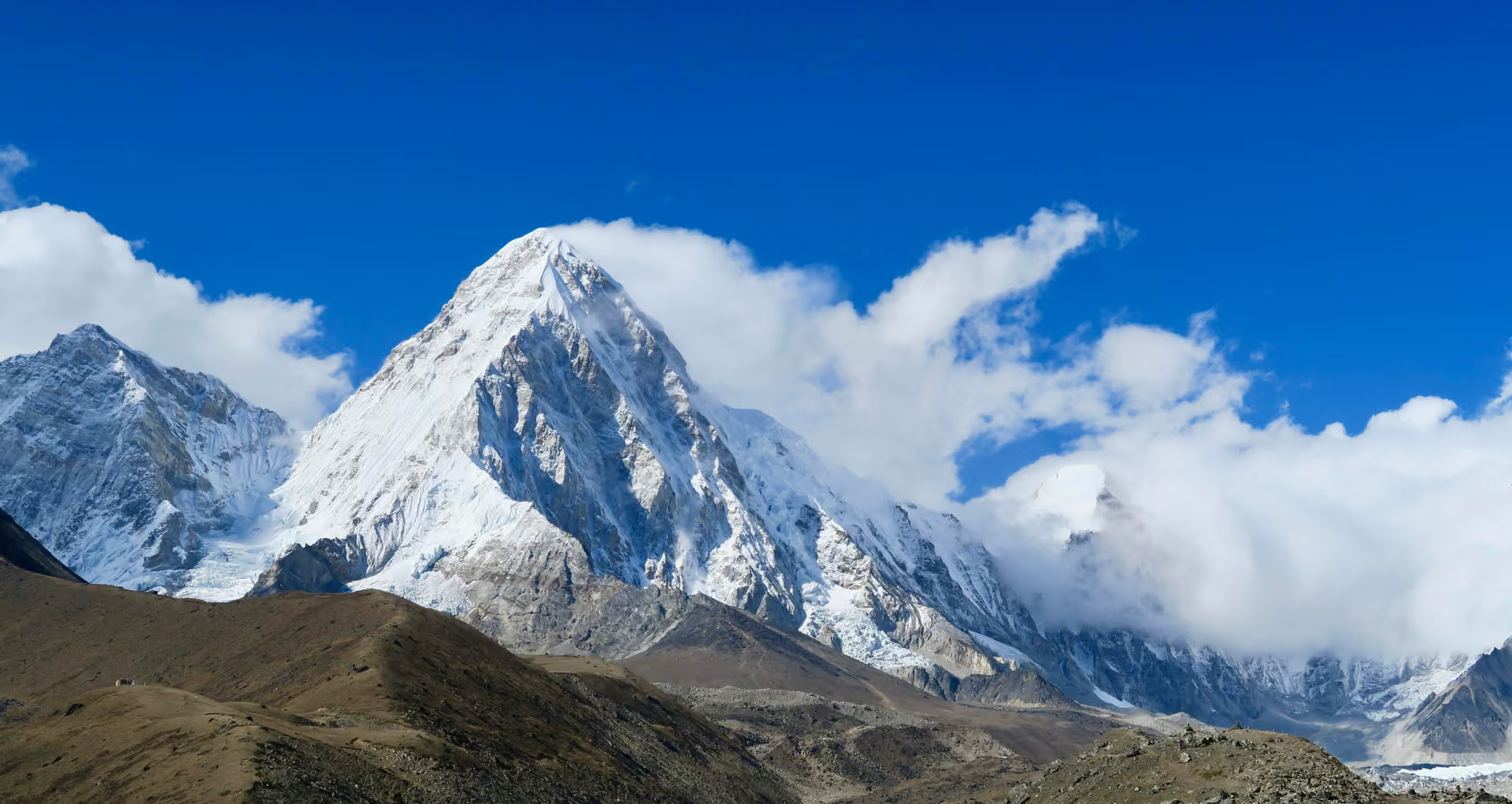
The Pumori Expedition is a demanding Himalayan mountaineering adventure to the summit of Mount Pumori at 7,145 meters, situated in the Everest region near the Nepal–Tibet border. Its striking pyramid-shaped profile rises above the Khumbu Valley and provides an impressive climbing objective for experienced mountaineers seeking a serious seven-thousand-meter expedition.
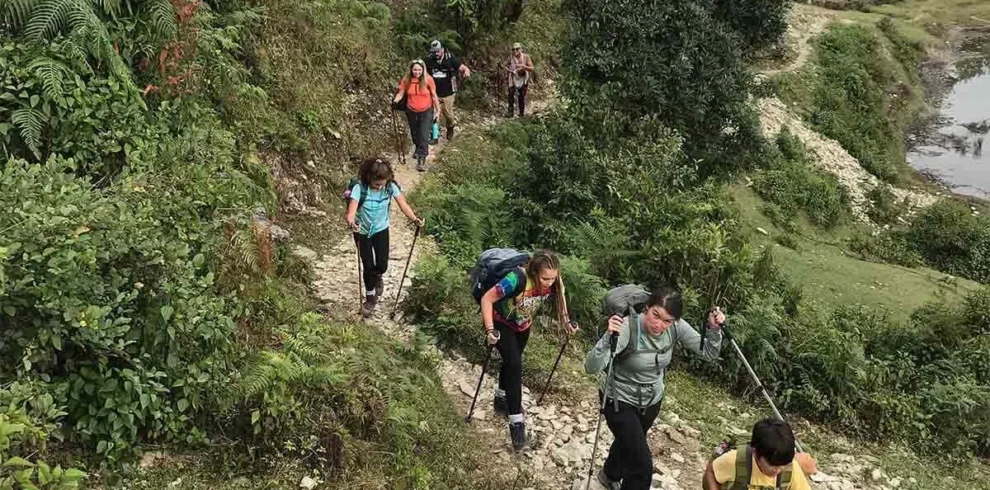
The journey begins with the classic approach through the Khumbu, following the trail from Lukla through Phakding, Namche Bazaar, Tengboche, Dingboche and Lobuche before moving toward Pumori Base Camp. The approach itself provides valuable altitude exposure and allows the climbing team to progressively adapt before entering the technical phase.
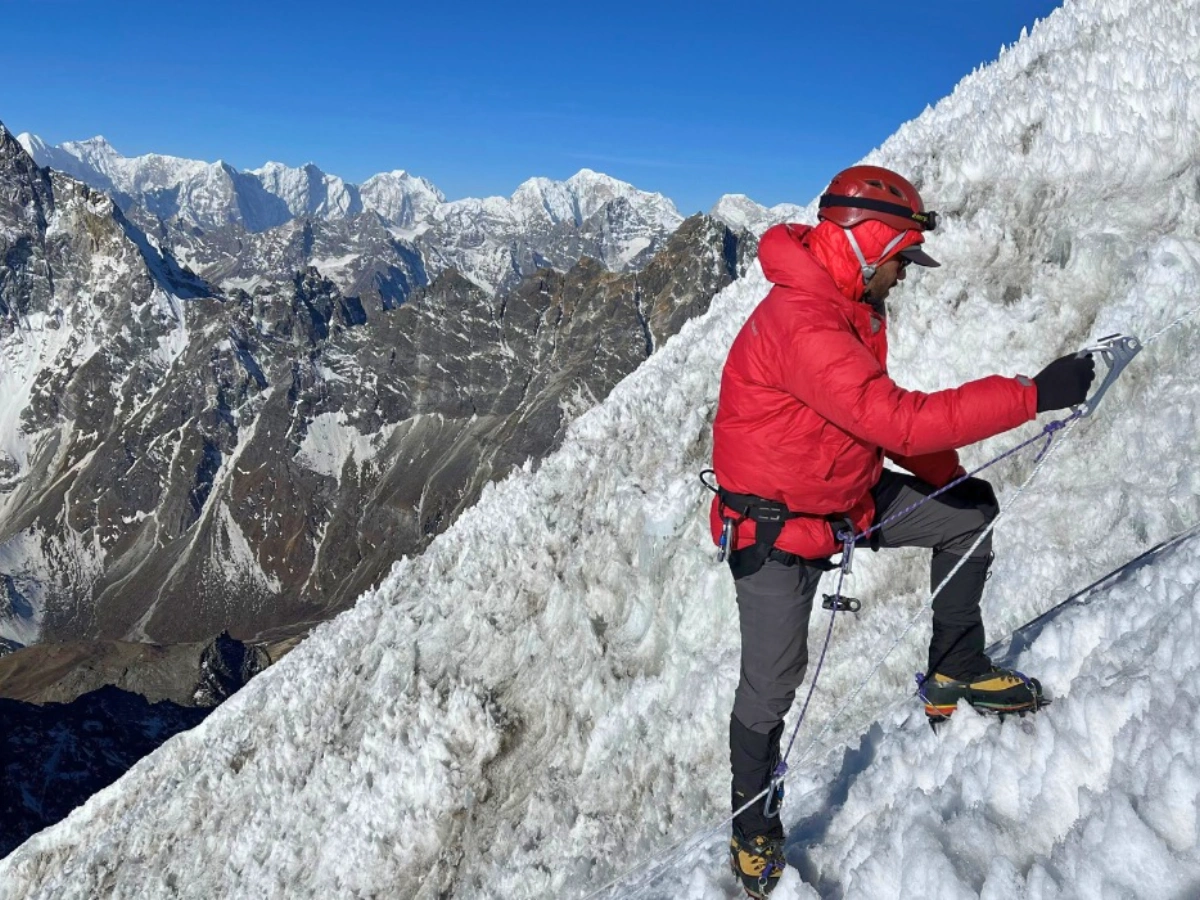
From Base Camp, the expedition changes from trekking to mountaineering. Climbers spend several days acclimatizing, practicing technical skills and making progressive rotations through the higher camps. The Southeast Ridge route involves a combination of rock, snow and ice, steep climbing sections, exposed ridges and fixed-rope terrain before the final summit push.
Overview
The Pumori Expedition 7,145 m is a challenging Himalayan climbing adventure combining a scenic approach through the Everest region with a technical ascent of one of the Khumbu’s most distinctive peaks. Follow the Southeast Ridge through a carefully planned acclimatization and climbing program before making your summit attempt with TrekUp Nepal’s experienced expedition team.
Highlights
- Summit Mount Pumori at 7,145 m
- Climb the Southeast Ridge route.
- Experience a true seven-thousand-meter Himalayan expedition.
- Trek through the legendary Khumbu Valley.
- Explore Namche Bazaar and traditional Sherpa settlements
- Visit Tengboche Monastery.
- Follow the Everest region approach trail toward Lobuche.
- Establish an expedition Base Camp near the Khumbu Glacier.
- Complete progressive acclimatization rotations.
- Train on snow, ice and mixed climbing terrain.
- Practice fixed-rope climbing techniques.
- Climb through multiple high-altitude camps.
- Experience steep and exposed sections of the Southeast Ridge.
- Make a carefully planned summit attempt.
- Enjoy views of Everest, Lhotse, Nuptse, Ama Dablam and surrounding peaks.
- Experience high-altitude expedition camping above 6,000 m.
- Return through the Khumbu Valley after the summit attempt.
Pumori Expedition (7,145m) Trek overview
Pumori is not simply an extension of an Everest Base Camp trek. It is a genuine high-altitude mountaineering expedition that demands preparation, patience and technical ability. The adventure begins on the established Khumbu trail, giving climbers time to transition from the lower valleys to the high Himalayan environment. Namche Bazaar, Tengboche, Dingboche and Lobuche form the gradual approach before the expedition leaves the main trekking route and moves toward Pumori Base Camp. At Base Camp, the focus shifts toward climbing. The team uses the available expedition window to acclimatize progressively, practice technical movement and make carefully planned rotations to the higher camps. The upper mountain includes steep snow and ice, mixed sections, exposed ridges and fixed-rope climbing. The summit phase is planned around weather, snow conditions, route safety and the team’s acclimatization rather than a fixed calendar alone. After reaching the 7,145 m summit, the expedition descends through the high camps and returns to Base Camp before following the Khumbu trail back toward Lukla. For experienced mountaineers, Pumori offers a serious step into seven-thousand-meter climbing while combining technical Himalayan terrain with the cultural and scenic experience of the Everest region.
What can you expect from the Pumori Expedition Package?
- A gradual approach through the Everest region with the trek progressing from Lukla through Namche Bazaar, Tengboche, Dingboche and Lobuche before entering the Pumori climbing area.
- A structured acclimatization program with planned rest days and progressive altitude exposure to help the climbing team adapt before moving into the higher camps.
- A dedicated Pumori Base Camp experience at around 5,200–5,300 m, where the expedition team establishes the main camp, organizes equipment and prepares for the technical climbing phase.
- Technical preparation before the major ascent, including practice with crampons, ice axes, fixed ropes, ascenders and safe movement on snow and ice.
- Progressive climbing rotations through three high camps, allowing climbers to gain altitude gradually while carrying equipment and becoming familiar with the route.
- Climbing on the Southeast Ridge, the standard route used for Pumori expeditions, involving glaciers, steep snow and ice, exposed sections and technically demanding terrain.
- Experience at Camp 1 around 5,700 m, where the expedition begins moving beyond the lower mountain and into more demanding climbing terrain.
- A challenging ascent toward Camp 2 around 6,200 m, involving steeper snow and ice sections where efficient rope technique, balance and controlled movement become increasingly important.
- High-altitude climbing toward Camp 3 around 6,480–6,500 m, passing through exposed terrain, ice walls and crevassed sections before reaching the final staging point for the summit attempt.
- Extended time above 6,000 m, allowing the expedition team to complete rotations, recover at Base Camp and wait for a suitable combination of weather, route conditions and climber readiness.
- A demanding summit push to 7,145 m, beginning from the upper camp and continuing through steep and exposed terrain toward the distinctive summit of Mount Pumori.
- Exceptional Himalayan views from the summit, with expansive scenery across Everest, Lhotse, Nuptse, Ama Dablam and other peaks of the Khumbu region.
- Professional high-altitude expedition support, including experienced climbing Sherpas, Base Camp logistics, camp management, route preparation and support during the climbing rotations.
- A flexible expedition schedule, allowing the climbing team to adjust the summit plan according to weather, snow conditions, route safety and individual acclimatization rather than following a rigid summit date.
- A genuine seven-thousand-meter mountaineering experience, combining technical climbing, high-altitude endurance, expedition camping and the unique environment of the Everest region.
- A rewarding descent through the Khumbu after the climb, returning from Pumori Base Camp toward Pangboche, Namche Bazaar and Lukla after completing the expedition’s major objective.
Benefits of Booking Pumori Expedition trek with us?
- Experienced Nepal-based expedition management
- Professional climbing Sherpa support
- Carefully structured acclimatization rotations
- Detailed pre-expedition equipment checks
- Strong knowledge of the Khumbu climbing environment
- Dedicated Base Camp logistics
- Organized high-altitude camp management
- Technical climbing preparation and guidance
- Flexible planning around mountain conditions
- Permit and expedition documentation assistance
- Experienced local trekking and support staff
- Kathmandu-to-Kathmandu expedition coordination
- Private expedition options for individuals and groups
- Emergency planning and communication support
- Personalized expedition arrangements when required
Itinerary
This 35-day Pumori Expedition combines the classic Everest region approach with a demanding technical ascent of Mount Pumori at 7,145 m. After reaching Base Camp, climbers follow a progressive acclimatization program with technical training, high-camp rotations and a flexible summit window before descending through the Khumbu Valley to Lukla.
Arrive in Kathmandu and meet the TrekUp Nepal expedition team at the airport. After transfer to your hotel, take time to recover from your international journey. The evening can be used for an initial introduction to the expedition team and an overview of the days ahead.
Altitude: 1,400 m
Accommodation: Hotel
Meals: Welcome Dinner
Use the day for detailed expedition preparation. Your climbing team reviews personal equipment, technical gear, clothing, communication equipment and other essentials required for a seven-thousand-meter expedition. Any missing equipment can be arranged in Kathmandu, while the expedition team checks logistics before departure for the Khumbu.
Altitude: 1,400 m
Accommodation: Hotel
Meals: Breakfast
Complete the official expedition briefing and final administrative preparations. The team reviews the climbing plan, route strategy, safety procedures, acclimatization schedule and responsibilities of the climbing and support staff. This is also an opportunity to clarify the climbing program before heading into the mountains.
Altitude: 1,400 m
Accommodation: Hotel
Meals: Breakfast
Take the early flight from Kathmandu to Lukla, the main gateway to the Khumbu region. After meeting the local support team, begin walking toward Phakding along the Dudh Koshi Valley. The relatively short first trekking day allows the body to begin adjusting gradually to the changing environment.
Altitude: Lukla 2,840 m / Phakding approximately 2,610 m
Walking: 3–4 hours
Accommodation: Tea House
Meals: Breakfast, Lunch and Dinner
Continue north through pine and rhododendron forests, crossing suspension bridges and passing through small mountain settlements. After entering Sagarmatha National Park, the trail climbs more steadily toward Namche Bazaar. Namche is the main trading and acclimatization center of the Khumbu and an important stage of the expedition approach.
Altitude: 3,440 m
Walking: 5–6 hours
Accommodation: Tea House
Meals: Breakfast, Lunch and Dinner
Spend the day allowing your body to adjust to the altitude. A gradual hike toward the surrounding viewpoints provides additional altitude exposure without moving to a higher sleeping elevation. The day also provides time to explore Namche, organize personal equipment and prepare mentally for the higher stages of the expedition.
Altitude: 3,440 m
Accommodation: Tea House
Meals: Breakfast, Lunch and Dinner
Leave Namche and follow the elevated trail overlooking the Dudh Koshi Valley. After descending toward the river, climb through forest toward Tengboche. Tengboche is one of the most important cultural stops in the Khumbu and is home to the famous Tengboche Monastery. The surrounding mountain panorama includes Ama Dablam and several major Himalayan peaks.
Altitude: Approximately 3,860 m
Walking: 5–6 hours
Accommodation: Tea House
Meals: Breakfast, Lunch and Dinner
Continue through the upper Khumbu toward Pangboche and the Imja Valley. The vegetation becomes thinner as the route moves into a colder and more open alpine environment. Dingboche provides an important transition point before the expedition moves toward Lobuche and the higher Pumori Base Camp.
Altitude: Approximately 4,410 m
Walking: 5–6 hours
Accommodation: Tea House
Meals: Breakfast, Lunch and Dinner
Spend another acclimatization day in Dingboche. Take a controlled hike to higher ground before returning to the village. The day is used not only for altitude adjustment but also for checking personal equipment and preparing for the more demanding section toward Lobuche and Pumori Base Camp.
Altitude: Approximately 4,410 m
Accommodation: Tea House
Meals: Breakfast, Lunch and Dinner
Continue toward the higher Khumbu through increasingly rugged alpine terrain. The route passes through the area around Thukla and the memorials dedicated to climbers who lost their lives in the Himalayas. Continue toward Lobuche, where the surrounding landscape becomes dominated by glaciers, moraine and high mountain walls.
Altitude: Approximately 4,910 m
Walking: 5–6 hours
Accommodation: Tea House
Meals: Breakfast, Lunch and Dinner
Leave the main trekking route and move toward the Pumori climbing area. Depending on route and conditions, the approach passes through the high glacial landscape toward the Pumori Base Camp area. After reaching Base Camp, the expedition team establishes the camp and begins organizing climbing equipment, tents, communication systems and supplies for the extended mountain phase.
Altitude: Approximately 5,200–5,300 m
Walking: 3–4 hours
Accommodation: Expedition Tent
Meals: Breakfast, Lunch and Dinner
Begin the dedicated climbing period at Base Camp. The day focuses on recovery from the approach, camp organization and preparation for the first rotation. The climbing team reviews the route, checks ropes and equipment, and discusses how the upcoming rotations will be adapted to weather and mountain conditions.
Altitude: Approximately 5,300 m
Accommodation: Expedition Tent
Meals: Breakfast, Lunch and Dinner
Conduct practical training around Base Camp or suitable nearby terrain. The team refreshes important skills such as crampon movement, ice-axe handling, ascending fixed ropes, descending safely and moving efficiently while carrying a climbing pack. This preparation is particularly important before entering the steeper sections above the first high camp.
Altitude: Approximately 5,300 m
Accommodation: Expedition Tent
Meals: Breakfast, Lunch and Dinner
Begin the first major acclimatization rotation toward Camp 1. The terrain becomes progressively more technical, with sections of steep snow and mixed climbing. The objective is not to rush upward but to introduce the body to a significantly higher sleeping elevation while allowing the climbing team to assess route conditions.
Altitude: Camp 1 approximately 5,700 m
Climbing: Approximately 4–6 hours
Accommodation: High-Altitude Tent
Meals: Breakfast, Lunch and Dinner
Spend part of the day above Base Camp to increase altitude exposure before beginning the descent. Returning to Base Camp allows the team to recover at a lower elevation while the climbing Sherpa team continues route preparation higher on the mountain.
Altitude: Camp 1 approximately 5,700 m / Base Camp approximately 5,300 m
Climbing: Approximately 4–6 hours
Accommodation: Expedition Tent
Meals: Breakfast, Lunch and Dinner
Take a recovery day at Base Camp. Hydration, nutrition, sleep and physical recovery become increasingly important as the expedition progresses. The climbing team also uses the day to assess weather forecasts and route conditions before deciding on the next rotation.
Altitude: Approximately 5,300 m
Accommodation: Expedition Tent
Meals: Breakfast, Lunch and Dinner
Move back toward Camp 1 and continue higher toward Camp 2 as conditions permit. The route becomes more exposed and technically demanding above the lower camp. This rotation provides valuable experience at higher elevations and allows the team to evaluate movement on the steeper sections of the Southeast Ridge.
Altitude: Camp 2 approximately 6,200 m
Climbing: Approximately 6–8 hours
Accommodation: High-Altitude Tent
Meals: Breakfast, Lunch and Dinner
Spend controlled time around Camp 2 before beginning the descent toward Base Camp. The emphasis is on gaining useful altitude exposure without unnecessary exhaustion. The return to Base Camp provides an important recovery period before the team begins preparing for the higher climbing rotations.
Altitude: Camp 2 approximately 6,200 m / Base Camp approximately 5,300 m
Climbing: Approximately 5–7 hours
Accommodation: Expedition Tent
Meals: Breakfast, Lunch and Dinner
Recover at Base Camp and prepare for the next rotation. The expedition leaders review the team's acclimatization, physical condition, weather forecast and route status. Personal climbing equipment is checked again, while food, fuel and supplies required for the higher camps are organized.
Altitude: Approximately 5,300 m
Accommodation: Expedition Tent
Meals: Breakfast, Lunch and Dinner
Begin another rotation toward Camp 1. With previous altitude exposure, the team can move more efficiently while maintaining a controlled pace. The day also provides an opportunity to assess how each climber is responding to the higher environment before moving toward Camp 2 and Camp 3.
Altitude: Camp 1 approximately 5,700 m
Climbing: Approximately 4–6 hours
Accommodation: High-Altitude Tent
Meals: Breakfast, Lunch and Dinner
Continue from Camp 1 toward Camp 2 through the more technical part of the route. Steep snow, ice and mixed terrain require careful movement and efficient use of fixed ropes where installed. The objective is to gain additional altitude while maintaining enough energy for the following stages.
Altitude: Camp 2 approximately 6,200 m
Climbing: Approximately 5–7 hours
Accommodation: High-Altitude Tent
Meals: Breakfast, Lunch and Dinner
Climb higher along the ridge toward Camp 3. This is one of the most demanding parts of the acclimatization phase as the air becomes noticeably thinner and the terrain remains exposed. Camp 3 is generally established around the 6,400–6,500 m range, although its exact position can change according to route conditions and the expedition team's assessment.
Altitude: Camp 3 approximately 6,480 m
Climbing: Approximately 4–6 hours
Accommodation: High-Altitude Tent
Meals: Breakfast, Lunch and Dinner
Spend controlled time at the highest camp reached during the rotation before descending. Remaining too long at extreme altitude is avoided; the purpose is to expose the body to higher elevation and then recover at Base Camp. Descend carefully with the climbing team and return to the lower camp or Base Camp depending on conditions.
Altitude: Camp 3 approximately 6,480 m / Base Camp approximately 5,300 m
Climbing: Approximately 6–8 hours
Accommodation: Expedition Tent
Meals: Breakfast, Lunch and Dinner
Keep this day flexible for recovery, route preparation or changing mountain conditions. High-altitude expeditions cannot always follow a rigid schedule, and this flexibility allows the team to respond to weather, snow conditions and climber readiness. If required, this day can also be used to adjust the summit schedule.
Altitude: Approximately 5,300 m
Accommodation: Expedition Tent
Meals: Breakfast, Lunch and Dinner
Begin the final major summit rotation after the team has completed its progressive acclimatization. The climb to Camp 1 marks the start of the summit push. The team maintains a steady pace and carefully manages food, hydration and energy for the increasingly demanding days ahead.
Altitude: Camp 1 approximately 5,700 m
Climbing: Approximately 4–6 hours
Accommodation: High-Altitude Tent
Meals: Breakfast, Lunch and Dinner
Continue toward Camp 2 and climb through the technical terrain encountered during previous rotations. The familiarization gained during earlier rotations helps the team move more efficiently while maintaining safety on steep and exposed sections.
Altitude: Camp 2 approximately 6,200 m
Climbing: Approximately 5–7 hours
Accommodation: High-Altitude Tent
Meals: Breakfast, Lunch and Dinner
Move from Camp 2 toward Camp 3. This is a demanding high-altitude day, and the pace is deliberately controlled. After reaching Camp 3, prepare equipment and clothing for the summit attempt. The team reviews the expected weather window and summit strategy before resting for the final push.
Altitude: Camp 3 approximately 6,480 m
Climbing: Approximately 4–6 hours
Accommodation: High-Altitude Tent
Meals: Breakfast, Lunch and Dinner
Begin the summit push during the early hours when conditions are generally planned to be most favorable. From Camp 3, the route continues through steep high-altitude terrain toward the upper mountain. The final climb requires sustained effort, careful rope management and strong concentration. The summit team continues according to weather, snow conditions, route safety and individual climber performance. Reach the summit of Pumori at 7,145 m and, after a controlled summit stay, begin the descent. Depending on conditions and the team's progress, the descent may finish at Camp 2 or another safe lower point.
Altitude: 7,145 m
Climbing: Approximately 10–14 hours
Accommodation: High-Altitude Tent
Meals: Breakfast, Lunch and Dinner
Continue the descent from the upper mountain and return to Base Camp. The priority is safe movement and recovery after the summit attempt. Once back at Base Camp, the team can rest, reorganize equipment and celebrate the completion of the major climbing objective.
Altitude: Approximately 5,300 m
Climbing: Approximately 6–9 hours
Accommodation: Expedition Tent
Meals: Breakfast, Lunch and Dinner
Leave the expedition Base Camp and descend toward the lower Khumbu Valley. The significant drop in elevation provides a welcome change after spending extended periods above 5,000 meters. Continue through the alpine landscape toward Pangboche and enjoy a more comfortable night in a mountain lodge.
Altitude: Approximately 3,985 m
Walking: 6–7 hours
Accommodation: Tea House
Meals: Breakfast, Lunch and Dinner
Continue downhill through the Khumbu Valley, passing through Tengboche and forested sections before reaching the Dudh Koshi corridor. Arrive in Namche Bazaar and enjoy a comfortable evening after completing the expedition's high-altitude phase.
Altitude: 3,440 m
Walking: 5–6 hours
Accommodation: Tea House
Meals: Breakfast, Lunch and Dinner
Complete the final major trekking day. Follow the Dudh Koshi Valley through familiar villages and suspension bridges before reaching Lukla. The evening provides an opportunity to relax with the expedition team and reflect on the journey from the Khumbu approach to the summit of Pumori.
Altitude: Approximately 2,840 m
Walking: 6–7 hours
Accommodation: Tea House
Meals: Breakfast, Lunch and Dinner
Take the flight from Lukla to Kathmandu, subject to weather and airport operating conditions. After arriving in Kathmandu, transfer to the hotel and enjoy the remainder of the day at leisure.
Altitude: Kathmandu 1,400 m
Flight: Approximately 30–40 minutes
Accommodation: Hotel
Meals: Breakfast
Keep a final reserve day in Kathmandu for possible flight delays, weather-related changes or unexpected expedition schedule adjustments. If the itinerary has proceeded normally, use the day to rest, explore Kathmandu or purchase souvenirs before departure.
Altitude: 1,400 m
Accommodation: Hotel
Meals: Breakfast
Your Pumori Expedition comes to an end. Depending on your international flight schedule, TrekUp Nepal arranges your transfer to Tribhuvan International Airport for your onward journey.
Altitude: 1,400 m
Meals: Breakfast
Includes/Exclude
Cost Includes
- Airport pickup and drop-off in Kathmandu
- Kathmandu hotel accommodation as specified in the itinerary
- Kathmandu–Lukla–Kathmandu domestic flights
- Expedition briefing and logistical preparation
- Pumori climbing permit and required expedition permits
- Sagarmatha National Park entry permit
- Experienced expedition leader
- Professional climbing Sherpa support
- Trekking guide and required support staff
- Porters and expedition transportation support to Base Camp
- Tea house accommodation during the trekking approach
- Expedition tents at Base Camp
- High-altitude tents for climbing camps
- Breakfast, lunch and dinner during the trekking and expedition period
- Base Camp kitchen and dining arrangements
- Expedition cook and kitchen staff
- Food and fuel for the climbing period
- Climbing ropes and essential group technical equipment
- Base Camp communication and basic power arrangements
- Base Camp toilet facilities
- Expedition tents and necessary camp equipment
- Government liaison and expedition administration where applicable
- Staff accommodation, meals and allowances
- Guide and support staff insurance as required
- TrekUp Nepal expedition management
- Government taxes and applicable service charges
Cost Excludes
- International airfare
- Nepal tourist visa
- Personal travel insurance
- High-altitude medical and helicopter evacuation insurance
- Personal climbing equipment
- Personal clothing and mountaineering boots
- Personal sleeping bag and down equipment unless specifically included
- Personal communication and internet expenses
- Meals and drinks outside the stated itinerary
- Extra Kathmandu accommodation caused by delays
- Additional hotel nights beyond the package
- Emergency evacuation costs
- Medical treatment and hospitalization
- Personal expenses
- Tips and summit bonuses for guides and Sherpa staff
- Personal climbing Sherpa upgrade where applicable
- Filming or special photography permits if required
- Garbage deposit where not included in the final package price
- Any cost resulting from weather, natural events or route changes outside the planned itinerary
- Any service not specifically mentioned under “Cost Includes”
Add-ons & Options
Private climbing Sherpa support
Additional climbing Sherpa for individual climbers
Extra Kathmandu hotel nights
Private airport transfers
Additional acclimatization days
Additional Base Camp rest days
Personal porter support
Personal equipment rental
Down jacket and sleeping bag rental
Additional technical climbing equipment
Helicopter evacuation arrangement when medically required
Private Kathmandu sightseeing
Pre- or post-expedition hotel extension
Customized expedition departure dates
Private group expedition arrangements
Additional communication or satellite support where available
How to Personalize Your Pumori Expedition with Our Add-Ons?
Step 1: Select your preferred departure date.
Step 2: Specify the number of travelers.
Step 3: Click ‘Book Now’ or ‘Add to Cart.’
Step 4: Choose the add-ons that best suit your trek.
Step 5: Complete your payment.
Best time to do Pumori Expedition Trek:
The primary climbing seasons for Pumori are spring and autumn. Nepal officially recognizes spring, summer, autumn and winter as mountaineering seasons, but conditions vary considerably between seasons.
Spring – March to May
Spring is one of the principal periods for Himalayan expeditions. April and May generally provide longer daylight hours and a well-established expedition environment.
Best period: April to May
Autumn – September to November
Autumn follows the monsoon season and is another major climbing window. October and early November are particularly popular for high-altitude expeditions because of generally favorable visibility and more stable conditions.
What Our Travelers Say
Read reviews from travelers who have joined our Himalayan trips. See what they enjoyed and what they thought about their experience.
Frequently Asked Questions
Faq's
Mount Pumori is 7,145 meters high and is one of the prominent seven-thousand-meter peaks in the Everest region.
Pumori lies in the Everest region near the Nepal–Tibet border, above the Khumbu Valley and close to Everest Base Camp.
Pumori is a highly demanding technical expedition. It requires excellent physical conditioning, previous high-altitude experience and the ability to climb snow, ice and mixed terrain.
Yes. Previous experience on high-altitude and technical peaks is strongly recommended. Pumori should not be treated as a first climbing expedition.
The expedition is planned around the Southeast Ridge, the established route commonly used for Pumori expeditions. Route conditions can require adjustments during the climbing season.
The standard climbing plan generally involves Base Camp followed by several higher camps, commonly around Camp 1, Camp 2 and Camp 3, before the summit. Exact camp positions can change according to snow, route and safety conditions.
Pumori Base Camp is generally established at approximately 5,200–5,300 m, although the exact location may vary according to expedition logistics and route conditions.
Current expedition itineraries commonly place Camp 1 around 5,700 m, Camp 2 around 6,200 m and Camp 3 around 6,400–6,500 m. Exact positions can change according to route conditions.
The summit push can be a very long day, commonly requiring around 10–14 hours or more, depending on weather, route conditions, acclimatization and the team's pace.
No. A responsible expedition should maintain flexibility. The summit attempt depends on weather, snow stability, route condition and climber readiness.
Pumori is normally climbed without routine supplemental oxygen, but the final strategy should be determined by the expedition leader and individual climber requirements.
Technical preparation and route familiarization are included in the expedition program. However, climbers are expected to arrive with meaningful prior technical climbing experience.
The expedition schedule includes flexibility for weather and route conditions. Available contingency time can be used to wait for a suitable summit window where the expedition schedule permits.
You stay in hotels in Kathmandu, tea houses during the trekking approach and expedition tents at Base Camp and the higher climbing camps.
Yes. Climbers should have comprehensive insurance covering high-altitude mountaineering and emergency helicopter evacuation.
Yes. TrekUp Nepal can customize departure dates, group arrangements, acclimatization days, climbing Sherpa support, Kathmandu accommodation and additional services.