
Singu Chuli Peak Climbing is a demanding Himalayan mountaineering expedition in Nepal’s Annapurna region, combining the remote beauty of the Annapurna Sanctuary with the challenge of ascending a 6,501-meter mountain. Also known as Fluted Peak, Singu Chuli rises above the glacial landscape near Annapurna Base Camp. Its distinctive mountain profile, steep snow and ice slopes, and exposed upper sections make it a serious objective for climbers seeking a technical high-altitude experience rather than a conventional trekking peak.
The expedition begins in Kathmandu, where the team completes the necessary preparations, checks climbing equipment, and organizes permits and transport. From there, the journey continues toward Pokhara and the trailheads leading into the Annapurna Sanctuary. The approach follows mountain paths through traditional settlements, terraced hillsides, forests, and deep river valleys. Villages such as Ghandruk and Chhomrong introduce trekkers to the culture of the region, while the landscape gradually changes as the route climbs toward Bamboo, Dovan, and Deurali.
As the trail enters the upper Modi Khola Valley, the surroundings become increasingly rugged and alpine. Forests give way to rocky slopes, glacial streams, and towering mountain walls. Machhapuchhre Base Camp and Annapurna Base Camp provide important stages for rest and acclimatization before the expedition leaves the regular trekking route for the climbing area. At Annapurna Base Camp, the broad mountain amphitheater creates an impressive setting beneath the surrounding Himalayan peaks, but the elevation also makes it essential to monitor health, maintain a steady pace, and prepare carefully for the higher camps.
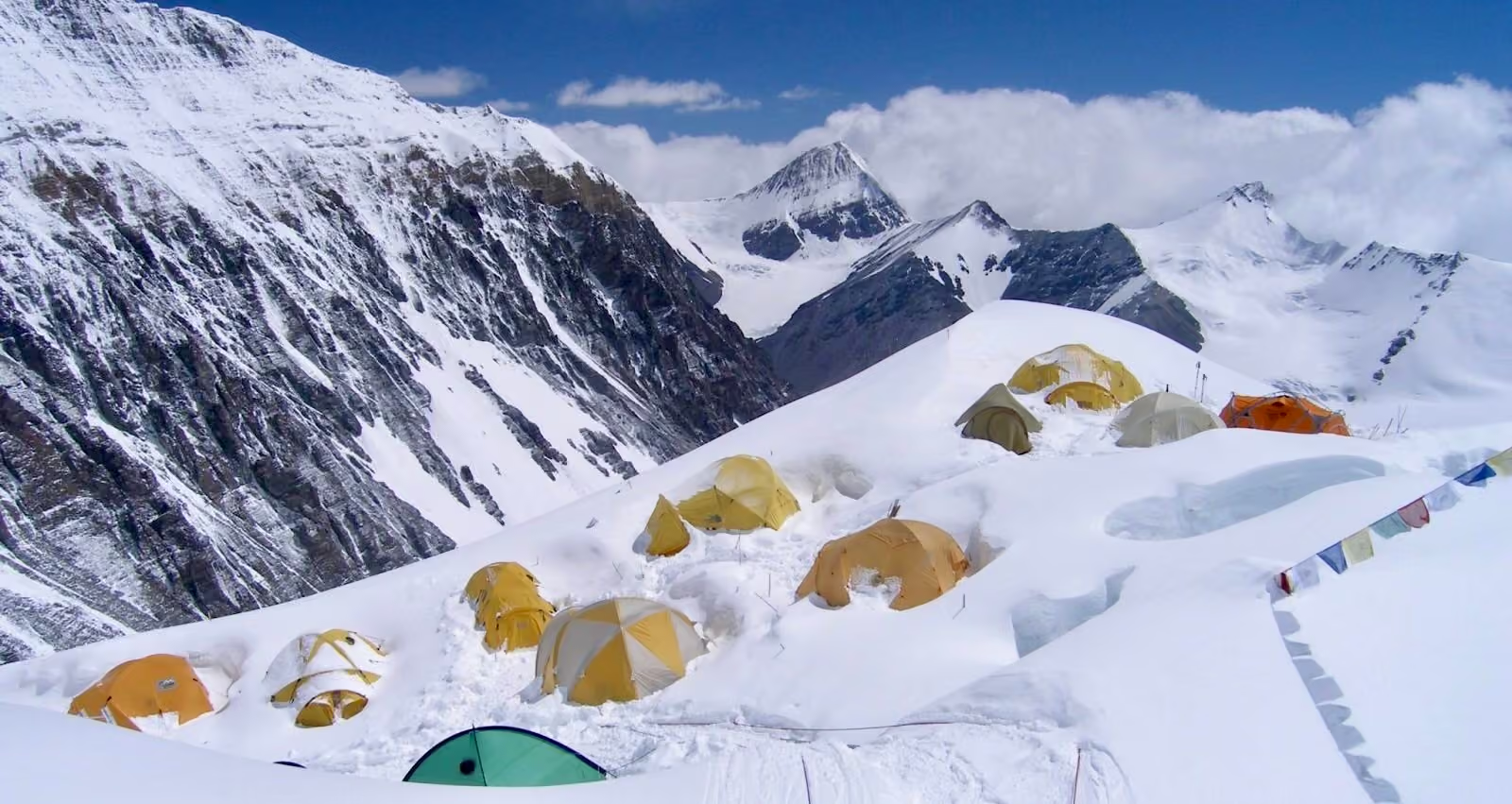
The technical section begins with movement toward Singu Chuli Base Camp. Unlike a standard trekking route, the climb requires a coordinated expedition team, suitable high-altitude camping equipment, and mountaineering skills. Depending on the route and current conditions, the team may establish successive camps at approximately 4,300–4,800 meters, 5,200–5,600 meters, and around 5,800 meters. These elevations are indicative rather than fixed: the climbing guide must select appropriate camp locations according to snow cover, glacier conditions, route safety, and the team’s progress.
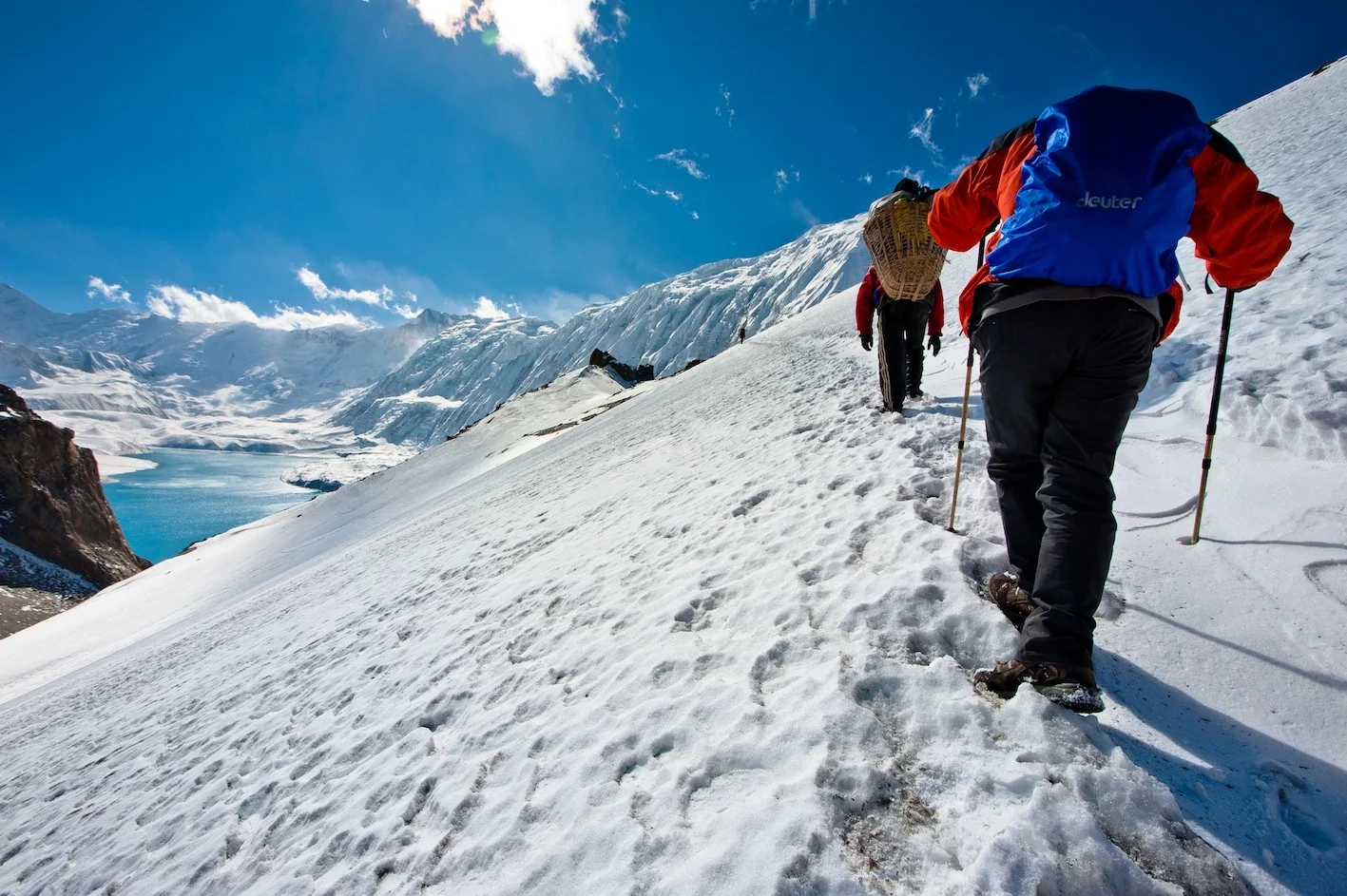
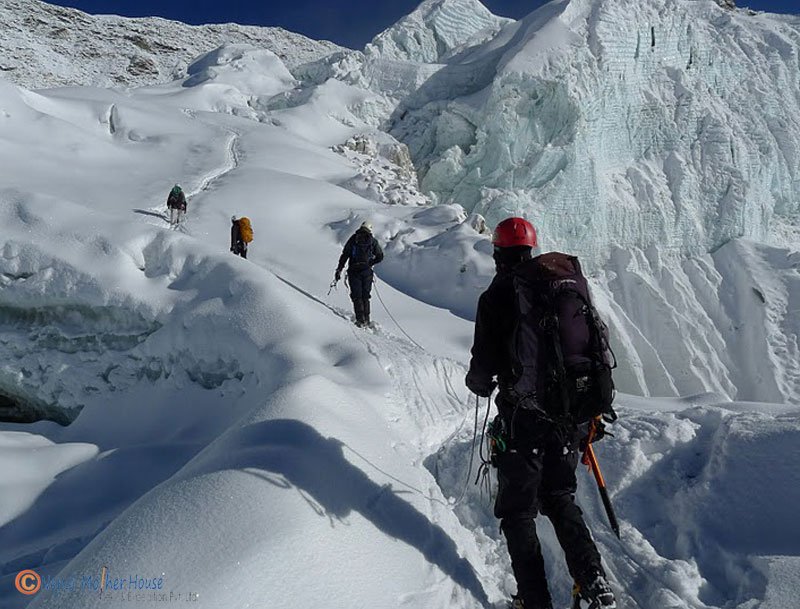
The ascent becomes increasingly demanding above high camp. Climbers may encounter glacier travel, steep snow and ice, fixed ropes, exposed ridges, and sections that require careful use of an ice axe, crampons, harness, and other technical equipment. The upper mountain can be affected by strong winds, low temperatures, unstable snow, and changing visibility. Previous experience with mountaineering techniques is essential, and the guide must assess each climber’s readiness before proceeding to the summit section.
Summit day usually begins well before sunrise. The team moves slowly through the upper mountain, managing energy and maintaining safe spacing while following the climbing guide’s instructions. Reaching Singu Chuli’s summit at 6,501 meters can offer extraordinary views across the Annapurna region and neighboring Himalayan ranges when conditions are clear. However, the summit is only one part of the challenge. Descending steep snow and ice terrain requires concentration, sound technique, and sufficient time, which is why the expedition schedule must allow for appropriate recovery and a possible weather contingency.
After the climbing section, the team returns toward Machhapuchhre Base Camp and retraces the Annapurna Sanctuary route through Deurali, Dovan, Chhomrong, and Ghandruk or another suitable exit point. The descent provides a gradual return to lower elevations and a chance to recover after the high-altitude effort. Depending on the final transport plan, the journey concludes with travel to Pokhara and onward to Kathmandu.
Singu Chuli is not a suitable choice for someone seeking an easy introduction to mountain climbing. Its altitude, technical terrain, and exposure demand strong physical conditioning, previous mountaineering experience, appropriate equipment, and a willingness to follow safety decisions even if the summit cannot be reached. Weather and mountain conditions can change rapidly, and no itinerary can guarantee a successful ascent.
With TrekUp Nepal, the expedition can be organized around the approach trek, acclimatization, climbing camps, technical support, permits, and return logistics. For suitably experienced climbers, Singu Chuli offers a demanding opportunity to develop high-altitude mountaineering skills in one of Nepal’s most dramatic mountain environments.
Overview
Singu Chuli Peak Climbing is a 23-day technical Himalayan expedition to the 6,501-meter Fluted Peak in Nepal’s Annapurna region. Trek through the Annapurna Sanctuary to base camp, establish high camps, and attempt the summit with qualified climbing support before returning through the spectacular Modi Khola Valley.
Highlights
- Attempt the summit of Singu Chuli, also known as Fluted Peak, at 6,501 meters.
- Trek through the Annapurna Sanctuary and the Modi Khola Valley.
- Visit Machhapuchhre Base Camp and Annapurna Base Camp.
- Experience the transition from forest trails to rugged alpine and glacial terrain.
- Establish high-altitude camps for the technical climbing section.
- Practice and use essential mountaineering techniques under qualified supervision.
- Navigate challenging snow, ice, and exposed terrain according to current conditions.
- Experience a pre-dawn summit attempt on a demanding Himalayan peak.
- Enjoy views of the Annapurna massif and surrounding Himalayan ranges when visibility permits.
- Include acclimatization and a planned contingency day in the expedition schedule.
- Explore traditional Gurung settlements and mountain villages along the approach and return.
- Combine remote mountain camping, technical climbing, and trekking in one expedition.
Singu Chuli Peak Climbing Overview
Singu Chuli Peak Climbing is a technical Himalayan expedition designed for experienced adventurers who want to move beyond trekking and attempt a demanding 6,501-meter summit. Known as Fluted Peak, Singu Chuli stands in the Annapurna region near the Annapurna Sanctuary and offers a challenging combination of glacier travel, steep snow and ice, high-altitude camping, and exposed upper-mountain terrain.
The journey begins in Kathmandu before continuing to Pokhara and the trekking trails that lead into the Modi Khola Valley. The approach passes through traditional settlements, forested slopes, and mountain lodges before reaching Machhapuchhre Base Camp and Annapurna Base Camp. These stages provide time to acclimatize and prepare before leaving the main trekking route for the expedition’s base camp.
The climbing section requires careful planning and an appropriate sequence of high camps. Depending on the route, conditions, and climbing team’s assessment, the expedition may use camps at approximately 4,300–4,800 meters, 5,200–5,600 meters, and near 5,800 meters. The upper mountain can involve steep snow and ice, fixed ropes, glacier travel, and exposed sections that require sound technical skills. Previous mountaineering experience is strongly recommended, and climbers must be prepared to follow the guide’s decisions throughout the ascent.
The summit attempt typically begins before dawn and may take many hours. Reaching 6,501 meters can reward climbers with broad Himalayan views when weather permits, but the descent remains a serious part of the climb. A contingency day offers some flexibility if weather interrupts the summit schedule, although no expedition can guarantee success.
After the climbing section, the team returns toward Machhapuchhre Base Camp and retraces the Annapurna Sanctuary route through the lower valley. The changing scenery, village culture, and gradual descent provide a contrast to the exposed high camps and demanding summit terrain.
With TrekUp Nepal, the expedition can be organized with trekking logistics, climbing support, camping arrangements, permits, and transport coordinated around the confirmed itinerary. Singu Chuli is best suited to climbers who have trained seriously, understand the risks of high-altitude mountaineering, and value a safety-led expedition even when conditions do not permit a summit.
What Can You Expect from the Singu Chuli Peak Climbing Package?
- A 23-day expedition combining the Annapurna Sanctuary trek with a technical ascent of Singu Chuli.
- A maximum altitude of 6,501 meters, subject to a safe and successful summit attempt.
- Trekking through Ghandruk, Chhomrong, Bamboo, Dovan, Deurali, Machhapuchhre Base Camp, and Annapurna Base Camp.
- An acclimatization period before entering the climbing area.
- Tented accommodation at base camp and high camps, according to the confirmed route.
- Technical equipment checks and climbing preparation before the summit attempt.
- A challenging summit day involving steep terrain and potentially snow, ice, glacier travel, and fixed ropes.
- A contingency day for changing weather or climbing conditions.
- Panoramic mountain views when visibility and weather allow.
- A return trek through the Annapurna Sanctuary and traditional mountain villages.
- Trekking and climbing support arranged according to the confirmed group size and package.
- Guidance on permits, equipment, preparation, and high-altitude safety.
- A demanding expedition appropriate for climbers with suitable experience and physical preparation.
Benefits of Booking Singu Chuli Peak Climbing with TrekUp Nepal
- Local expedition coordination: Support with route logistics, transport, accommodation, permits, and camp arrangements.
- Climbing support: Access to appropriately qualified climbing professionals according to the confirmed staffing plan.
- Planned acclimatization: A structured approach to gaining altitude, with time to assess how the team is responding.
- Technical preparation: Equipment checks and climbing practice before the summit section, where included in the package.
- Organized camp logistics: Coordination of base-camp and high-camp equipment, supplies, and support staff.
- Clear package details: An opportunity to confirm inclusions, exclusions, staffing, equipment, and additional costs before booking.
- Flexible group planning: Private and group arrangements subject to availability, safety, and staffing requirements.
- Route and itinerary guidance: Support with practical adjustments when weather, road access, or mountain conditions change.
- Safety-led decisions: A commitment to prioritizing the team’s health, current conditions, and the climbing guide’s assessment over reaching the summit.
- Pre-trip preparation: Guidance on fitness, personal equipment, travel documents, and insurance requirements.
Itinerary
This 23-day expedition begins in Kathmandu and follows the Annapurna Sanctuary trail through Ghandruk, Chhomrong, Dovan, and Machhapuchhre Base Camp to Annapurna Base Camp. After acclimatization, the route enters the climbing area for base-camp and high-camp preparation before the summit attempt at 6,501 meters. The return follows the sanctuary trail to the lower villages before traveling back to Pokhara and Kathmandu.
Arrive at Tribhuvan International Airport, where a TrekUp Nepal representative will meet you and transfer you to your hotel. After checking in, rest after your journey or explore the surrounding area if time permits. Your trip coordinator will explain the expedition schedule and discuss the next day's preparation. Use the evening to check your personal equipment and inform the team about any medical, dietary, or logistical requirements before the expedition begins.
Maximum Altitude: Approximately 1,400 m
Walking Duration: Optional short walk
Driving Duration: Approximately 20–45 minutes from the airport, depending on traffic
Meals: Welcome dinner if included in the confirmed package
Accommodation: Hotel in Kathmandu
Activity: Airport transfer, arrival, and initial trip briefing
Spend the day completing expedition preparations. The team will review climbing equipment, confirm permits and documentation, check the planned route, and explain the support arrangements for the trekking and climbing sections. If necessary, you can visit local equipment shops to obtain or rent suitable gear. Your climbing guide should review your previous mountaineering experience and explain the skills, physical demands, and safety procedures required for Singu Chuli. This is also an opportunity to confirm the equipment supplied by the operator and identify any personal items that still need to be arranged.
Maximum Altitude: Approximately 1,400 m
Walking Duration: Optional sightseeing or equipment shopping
Driving Duration: Depends on local transfers
Meals: Breakfast; other meals according to the confirmed package
Accommodation: Hotel in Kathmandu
Activity: Equipment check, permits, briefing, and final preparation
Leave Kathmandu and travel by road to Pokhara, following Nepal's central highway through river valleys, terraced hillsides, and rural settlements. The journey provides a transition from the busy capital to the lakeside city that serves as the gateway to the Annapurna region. Road travel can take longer than expected because of traffic, construction, or weather. On arrival in Pokhara, check into your hotel and prepare for the journey to the trekking trailhead. If the confirmed package uses a domestic flight instead, the schedule and included services will be adjusted accordingly.
Maximum Altitude: Approximately 1,400 m at the start of the drive
Driving Duration: Approximately 6–8 hours, depending on road conditions
Meals: Breakfast; lunch and dinner according to the confirmed package
Accommodation: Hotel in Pokhara
Activity: Overland travel and final trekking preparation
Travel by vehicle toward the selected trailhead, commonly in the Nayapul, Birethanti, or Kimche area depending on road access and the final itinerary. Begin trekking through cultivated hillsides, village paths, and terraced farmland toward Ghandruk, a traditional Gurung settlement known for its mountain setting and cultural heritage. The route introduces you to the walking conditions of the Annapurna region while providing views of the surrounding hills and peaks in clear weather. After reaching Ghandruk, settle into a local lodge and prepare for the more sustained ascent into the sanctuary.
Maximum Altitude: Approximately 1,940 m
Walking Duration: Approximately 3–5 hours, depending on the trailhead
Driving Duration: Approximately 2–4 hours from Pokhara, depending on road access
Meals: Breakfast, lunch, and dinner
Accommodation: Teahouse or lodge in Ghandruk
Activity: Drive to the trailhead and begin trekking
After breakfast, follow the trail through village paths, stone stairways, and forested slopes toward Chhomrong. The route includes descents and climbs, so maintaining a comfortable pace is more useful than trying to cover the distance quickly. Chhomrong sits above the Modi Khola Valley and serves as an important settlement on the approach to the Annapurna Sanctuary. From the village, the surrounding landscape opens toward the high mountains, offering a first sense of the scale of the terrain ahead. After arrival, rest, hydrate, and prepare for the gradual move into higher elevations.
Maximum Altitude: Approximately 2,170 m
Walking Duration: Approximately 5–6 hours
Meals: Breakfast, lunch, and dinner
Accommodation: Teahouse or lodge in Chhomrong
Activity: Trek through traditional villages and forested hillsides
Descend from Chhomrong toward the river and cross the suspension bridge before climbing through forest toward Sinuwa and continuing to Bamboo. Stone steps and uneven woodland trails make this a varied walking day, with humid forest conditions in some sections and cooler air as the route gains height. The trail passes through bamboo, rhododendron, and other vegetation typical of the lower sanctuary. Bamboo is a small settlement surrounded by forest and offers a quiet overnight stop. Use the afternoon to rest and keep your trekking gear organized.
Maximum Altitude: Approximately 2,310 m
Walking Duration: Approximately 4–6 hours
Meals: Breakfast, lunch, and dinner
Accommodation: Teahouse or lodge in Bamboo
Activity: Trek through forest and river-valley terrain
Continue along the Modi Khola Valley, following a forest trail that gradually rises through shaded sections and rocky passages. The walking distance is relatively short compared with some later stages, but the uneven surface and repeated ascents can make progress slower. As you approach Dovan, the valley becomes narrower and the surrounding slopes more imposing. This stage is part of the gradual altitude gain before reaching Machhapuchhre Base Camp and Annapurna Base Camp. On arrival, settle into the lodge, eat well, and keep drinking fluids throughout the day.
Maximum Altitude: Approximately 2,600 m
Walking Duration: Approximately 3–4 hours
Meals: Breakfast, lunch, and dinner
Accommodation: Teahouse or lodge in Dovan
Activity: Trek through the upper forested Modi Khola Valley
Leave Dovan and continue toward Deurali, climbing through a valley where the forest becomes thinner and the terrain increasingly rugged. The route passes rocky slopes and stream crossings, with sections that may be affected by falling stones, snow, or avalanche exposure depending on the season. Follow the guide's instructions carefully and avoid lingering in exposed sections when conditions are unfavorable. The ascent above 3,000 meters marks an important stage in acclimatization. After reaching Deurali, rest and monitor how you are responding to the altitude.
Maximum Altitude: Approximately 3,200 m
Walking Duration: Approximately 4–6 hours
Meals: Breakfast, lunch, and dinner
Accommodation: Teahouse or lodge in Deurali
Activity: High-valley trekking and gradual acclimatization
Continue upward through the widening upper valley toward Machhapuchhre Base Camp. The route moves through increasingly open terrain, with rocky slopes and high mountain walls replacing much of the lower forest. The landscape becomes more exposed, and weather can change quickly as the trail gains elevation. Take a steady pace, use layers to manage changing temperatures, and keep your water accessible. On arrival at Machhapuchhre Base Camp, settle into the lodge and spend the remainder of the day resting. The guide will assess the group's condition before the next stage toward Annapurna Base Camp.
Maximum Altitude: Approximately 3,700 m
Walking Duration: Approximately 3–5 hours
Meals: Breakfast, lunch, and dinner
Accommodation: Teahouse or lodge at Machhapuchhre Base Camp
Activity: Trek into the alpine zone and continue acclimatization
Continue toward Annapurna Base Camp through the upper sanctuary, where the valley opens into a broad glacial basin surrounded by towering Himalayan peaks. The distance is manageable for many trekkers, but the altitude can make breathing and walking noticeably more difficult. Maintain a slow pace and take breaks as needed. On reaching Annapurna Base Camp, the team will review the climbing plan and prepare for the transition from lodge trekking to expedition camping. Clear weather may provide expansive views of the surrounding Annapurna peaks, while cloud and wind can quickly reduce visibility.
Maximum Altitude: Approximately 4,130 m
Walking Duration: Approximately 2–4 hours
Meals: Breakfast, lunch, and dinner
Accommodation: Teahouse or lodge at Annapurna Base Camp
Activity: Reach Annapurna Base Camp and review the next stage
Spend the day allowing your body to adjust to the altitude before moving onto the technical route. Depending on the group's condition, the guide may organize a short, gentle walk to a suitable nearby viewpoint, followed by a return to camp. The climbing team will review personal equipment, rope systems, cold-weather clothing, and the expected route to Singu Chuli Base Camp. The guide should also explain how the group will respond to changing weather, altitude symptoms, or other safety concerns. Avoid strenuous activity, eat regularly, and report any headache, nausea, dizziness, unusual fatigue, or breathing difficulty.
Maximum Altitude: Approximately 4,130 m, with an optional short acclimatization walk
Walking Duration: Rest day with optional gentle walking
Meals: Breakfast, lunch, and dinner
Accommodation: Teahouse or lodge at Annapurna Base Camp
Activity: Acclimatization, climbing briefing, and equipment preparation
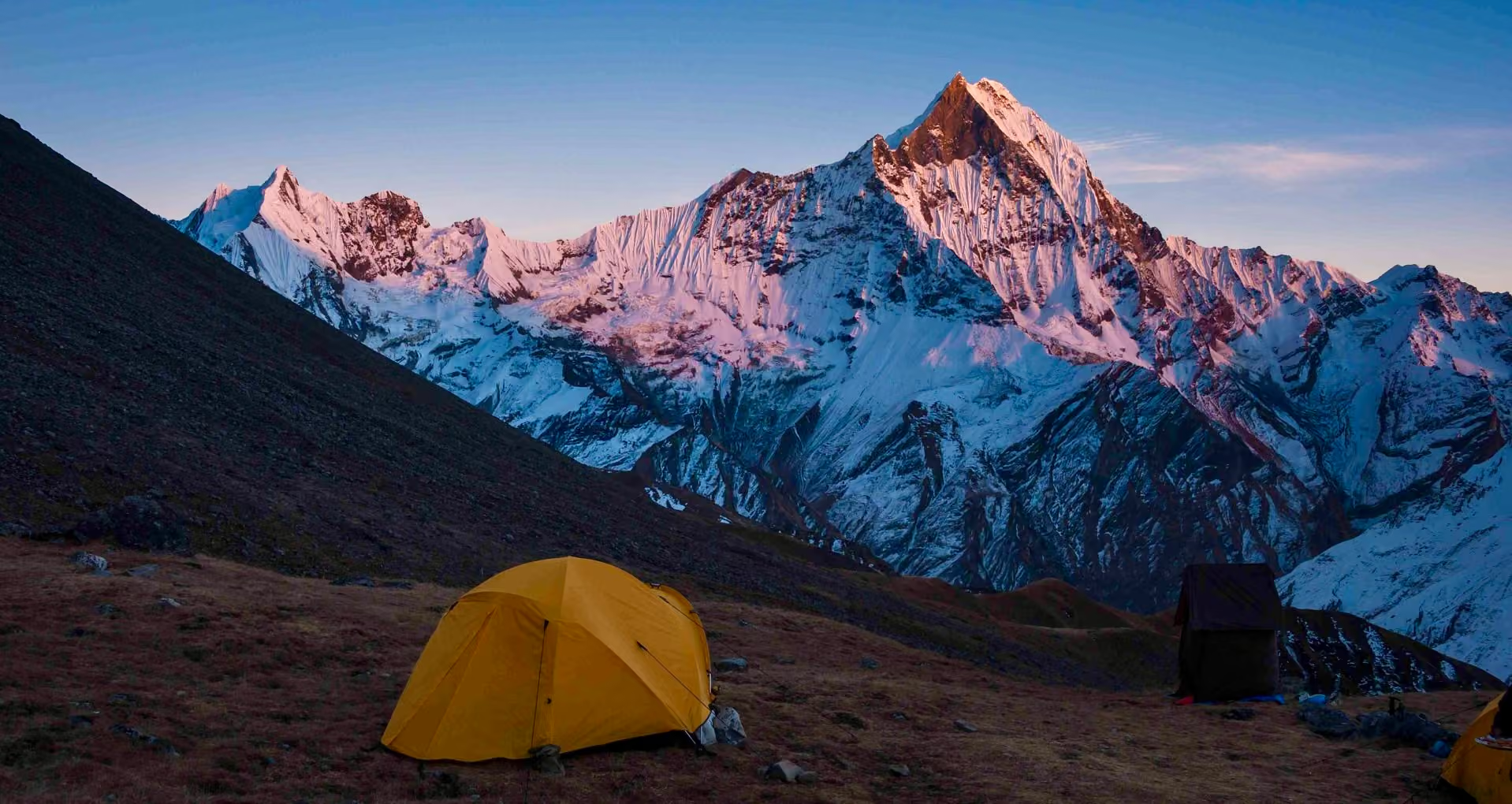
Leave the main trekking route with the climbing team and move toward the selected Singu Chuli Base Camp location. The route crosses rough alpine ground, moraine, and potentially glacial terrain, so the walking conditions differ from the established sanctuary trail. The exact elevation and location of base camp vary between expedition itineraries and depend on current conditions and the route chosen by the climbing guide. Porters and climbing staff may need additional time to move camp equipment and supplies. Once the team reaches camp, settle in, drink fluids, and allow time for the guide to review the next stage.
Maximum Altitude: Approximately 4,300–4,800 m, depending on the selected base camp
Walking Duration: Approximately 4–6 hours, depending on route and camp location
Meals: Breakfast, lunch, and dinner
Accommodation: Tented expedition camp
Activity: Leave the main trekking route and establish Singu Chuli Base Camp
Use this day for acclimatization, technical preparation, and assessment of the climbing route. Under the climbing guide's supervision, review the correct use of crampons, ice axe, harness, carabiners, ascenders, descenders, and fixed-rope systems as relevant to the planned route. Practice should focus on safe movement, rope-team procedures, and the techniques required for ascending and descending steep snow or ice. The guide will inspect equipment, assess the group's fitness and altitude response, and decide whether the team is ready to move higher. The day should include sufficient rest, hydration, and food rather than unnecessary exertion.
Maximum Altitude: Approximately 4,300–4,800 m
Walking Duration: Short training walks and practical exercises
Meals: Breakfast, lunch, and dinner
Accommodation: Tented expedition camp
Activity: Acclimatization, mountaineering practice, and route assessment
Begin the ascent toward Singu Chuli High Camp, following a route that may cross loose moraine, snow slopes, glacier sections, or rocky ground depending on conditions. Progress becomes slower as the altitude increases, and the team may need to use ropes or other technical systems in selected sections. Climbing staff will manage the movement of equipment and determine the safest location for the camp. After arrival, establish camp, review the summit plan, and check the equipment required for the next stages. Temperatures can fall sharply after sunset, so organize warm clothing, sleeping equipment, food, and headlamps before resting.
Maximum Altitude: Approximately 5,200–5,600 m, depending on camp placement
Walking and Climbing Duration: Approximately 4–6 hours
Meals: Breakfast, lunch, and dinner
Accommodation: Tented high-altitude camp
Activity: High-altitude ascent, camp setup, and route briefing
Depending on the route and current mountain conditions, continue toward a higher camp or use the day for acclimatization and technical preparation at High Camp. Some Singu Chuli itineraries establish an additional camp near 5,800 meters to reduce the distance to the summit, while others use a different camp strategy. The climbing guide will choose the arrangement according to snow conditions, safety, weather, and the team's ability. This stage can involve exposed snow or ice and requires careful use of climbing equipment. Once camp is established, review the summit schedule, prepare food and water, check headlamps and clothing, and rest before the early start.
Maximum Altitude: Approximately 5,500–5,800 m, depending on the selected route
Walking and Climbing Duration: Approximately 3–5 hours if moving to higher camp; otherwise a shorter acclimatization day
Meals: Breakfast, lunch, and dinner
Accommodation: Tented high-altitude camp
Activity: Higher-camp approach, acclimatization, and summit preparation
Start well before sunrise for the summit attempt. The route may involve glacier travel, steep snow and ice, fixed ropes, exposed sections, and a narrow upper ridge. The exact climbing sequence depends on the selected line and current conditions, so follow the climbing guide's instructions and maintain a steady, controlled pace. At 6,501 meters, the reduced oxygen level makes even small movements physically demanding. If weather and visibility permit, the summit offers broad views across the Annapurna region and surrounding Himalayan peaks. After a short stop, begin the descent, which requires as much care as the ascent. The guide may turn the team around before the summit if conditions, health, timing, or route safety become unacceptable. The overnight location will depend on progress and the established camp plan.
Maximum Altitude: 6,501 m at the summit
Walking and Climbing Duration: Approximately 8–12 hours or longer, depending on conditions and route
Meals: Early breakfast and climbing-day food and drinks arranged by the expedition team; lunch and dinner according to progress
Accommodation: Tented camp at the planned high camp or lower camp, as determined by the guide
Activity: Technical summit attempt and controlled descent
Keep this day available as a contingency for the summit attempt. If the climb was postponed on Day 16 because of unsuitable weather or route conditions, the guide may use this reserve day for another attempt if the team's health, acclimatization, and conditions allow. If the summit has already been completed, begin the planned descent toward Singu Chuli Base Camp or another suitable lower camp, depending on the previous day's progress. A reserve day increases flexibility but cannot guarantee that the summit will be reached. Safety, weather, and the guide's assessment must determine whether another attempt is appropriate.
Maximum Altitude: Up to 5,800 m or higher if a renewed summit attempt is approved
Walking and Climbing Duration: Variable, depending on whether the reserve day is used for climbing or descent
Meals: Breakfast, lunch, and dinner
Accommodation: Tented camp at the location selected by the climbing team
Activity: Summit contingency, recovery, or descent
Pack the expedition camp and descend toward Machhapuchhre Base Camp, retracing the approach route toward the main Annapurna Sanctuary trail. The terrain may include moraine, loose stones, snow patches, or glacial ground, so careful footing remains important even as the altitude decreases. The descent can feel physically demanding after the summit attempt, and the guide may adjust the pace or overnight location according to the team's condition. Once back at Machhapuchhre Base Camp, settle into the lodge, eat a substantial meal, and rest after the climbing section.
Maximum Altitude: Approximately 4,300–4,800 m at the start, depending on the base camp used
Walking Duration: Approximately 4–7 hours, depending on camp location and conditions
Meals: Breakfast, lunch, and dinner
Accommodation: Teahouse or lodge at Machhapuchhre Base Camp
Activity: Descend from the climbing area and reconnect with the trekking route
Descend through the upper Modi Khola Valley, passing Deurali and continuing toward Dovan. As the trail loses elevation, the air becomes denser and walking may gradually feel easier, although the rocky paths and long descent can place strain on the knees. The route returns through increasingly green terrain, with the landscape changing from open alpine slopes to forested sections. Take breaks as needed and maintain a steady pace rather than rushing downhill. On arrival in Dovan, settle into the lodge and recover from the high-altitude section.
Maximum Altitude: Approximately 3,700 m at the start
Walking Duration: Approximately 5–7 hours
Meals: Breakfast, lunch, and dinner
Accommodation: Teahouse or lodge in Dovan
Activity: Descend through Deurali and the upper Modi Khola Valley
Continue descending through forest toward Bamboo and Sinuwa, then follow the trail's repeated stairways and climbs toward Chhomrong. Although you are returning to lower altitude, the terrain includes frequent ups and downs that can be tiring after the expedition. The route passes streams, forested slopes, and small settlements, offering a different perspective on the approach trail you followed earlier. On reaching Chhomrong, rest and enjoy the comfort of a lower-altitude lodge. The guide will review the next day's route and confirm the most suitable exit point and transport arrangement.
Maximum Altitude: Approximately 2,600 m at the start
Walking Duration: Approximately 5–7 hours
Meals: Breakfast, lunch, and dinner
Accommodation: Teahouse or lodge in Chhomrong
Activity: Return trek through forest and mountain settlements
Leave Chhomrong and follow the trail through terraced hillsides, village paths, and forested sections toward Ghandruk or another suitable overnight point on the chosen return route. The trail includes descents and climbs, but the lower elevation and return to greener surroundings mark a welcome change after the high camps. Ghandruk offers an opportunity to experience Gurung culture and traditional village architecture. Depending on arrival time, you may have time to explore the village or simply relax at the lodge. The team will confirm the next day's transport and departure arrangements.
Maximum Altitude: Approximately 2,170 m at the start
Walking Duration: Approximately 5–7 hours, depending on the selected route
Meals: Breakfast, lunch, and dinner
Accommodation: Teahouse or lodge in Ghandruk
Activity: Trek through village trails and terraced hillsides
After breakfast, descend toward the selected roadhead, such as Kimche or another accessible pickup point. Transfer by vehicle to Pokhara, where the team can arrange the onward journey to Kathmandu according to the confirmed transport plan. Some packages include an overnight stay in Pokhara before the drive or flight to Kathmandu; others schedule the onward transfer on the same day if timing and conditions permit. Road travel can be affected by traffic and construction, so the actual schedule should be confirmed before departure. If the itinerary includes an overnight in Pokhara, use the evening to rest and enjoy the lakeside area.
Maximum Altitude: Approximately 1,940 m at the start of the trek
Walking Duration: Approximately 2–4 hours to the roadhead, depending on the route
Driving Duration: Approximately 2–4 hours to Pokhara; onward travel to Kathmandu depends on the confirmed arrangement
Meals: Breakfast; lunch and dinner according to the confirmed package
Accommodation: Hotel in Pokhara or Kathmandu, according to the final schedule
Activity: Finish trekking and transfer toward the city
If you stayed overnight in Pokhara on Day 22, travel to Kathmandu by road or domestic flight according to your confirmed package and schedule. If you have already returned to Kathmandu, use the day for your international departure or additional arrangements. A TrekUp Nepal representative can organize the airport transfer according to the booking details. Because mountain expeditions can be affected by weather, road conditions, and flight disruptions, international flights should ideally allow some flexibility after the planned return date. Depart Nepal with memories of the Annapurna Sanctuary and the demanding Singu Chuli climbing experience.
Maximum Altitude: Approximately 1,400 m in Kathmandu
Walking Duration: Short airport or hotel transfers
Driving Duration: Depends on the selected transport and departure schedule
Meals: Breakfast if included in the confirmed package
Accommodation: Not included after departure unless extra nights are booked
Activity: Return transfer and departure arrangements
Includes/Excludes
Cost Includes
- Airport pickup and drop-off in Kathmandu according to the confirmed itinerary.
- Hotel accommodation in Kathmandu for the nights specified in the package.
- Hotel accommodation in Pokhara if included in the confirmed itinerary.
- Ground transportation between Kathmandu, Pokhara, and the trekking trailhead according to the selected transport plan.
- Transportation from the trekking exit point to Pokhara.
- Teahouse or lodge accommodation during the approach and return trek.
- Tented accommodation at Singu Chuli Base Camp and high camps.
- Breakfast, lunch, and dinner during trekking and climbing days as specified in the package.
- Meals and accommodation for trekking guides, climbing guides, porters, and support staff.
- An appropriately qualified climbing guide and trekking guide according to the agreed staffing plan.
- Required Singu Chuli climbing permit and applicable trekking or conservation-area permits.
- Porters and expedition support staff as specified in the confirmed package.
- Group climbing and camping equipment where explicitly included.
- Camp setup and kitchen support during the climbing section where included.
- Route coordination, climbing preparation, and technical guidance.
- First-aid supplies carried by the trekking or climbing team.
- Staff wages, meals, accommodation, insurance, and applicable operational expenses.
- Government taxes and service charges applicable to the package.
- Pre-trip briefing and expedition coordination.
Cost Excludes
- International flights to and from Nepal.
- Nepal entry visa fees.
- Travel insurance that covers technical mountaineering to at least 6,501 meters.
- Emergency helicopter evacuation and medical expenses not covered by the package or insurance.
- Personal climbing equipment unless explicitly included, including suitable mountaineering boots, crampons, ice axe, harness, helmet, ascender, descender, carabiners, and technical clothing.
- Personal sleeping bag, down jacket, insulated layers, gloves, and other individual gear unless stated otherwise.
- Meals in Kathmandu and Pokhara that are not specified as included.
- Extra accommodation or meals caused by early arrival, late departure, weather delays, or itinerary changes.
- Personal expenses such as Wi-Fi, phone calls, laundry, charging, hot showers, and additional beverages.
- Snacks, soft drinks, bottled water, and other personal purchases.
- Tips for guides, climbing staff, porters, and drivers.
- Optional sightseeing or additional activities.
- Additional transport, accommodation, or staff costs arising from itinerary changes beyond the agreed package.
- Extra climbing days, additional high-altitude staff, or extra equipment not included in the confirmed arrangement.
- Any service not specifically listed under Cost Includes.
Add-ons and Options
Customize your Singu Chuli Peak Climbing expedition with extra acclimatization time, transport upgrades, additional accommodation, or personal equipment arrangements. Prices depend on the season, group size, staff requirements, and final route. Confirm all add-ons with TrekUp Nepal before booking, particularly options that affect high-altitude staffing or the climbing schedule.
Porter or Additional Load-Carrying Support
Price: Available on request
Arrange additional porter support for personal trekking luggage or selected equipment, subject to the route, weight limits, and staffing arrangements. Technical climbing loads and high-altitude support must be planned separately according to the expedition’s needs.
Private Jeep from Kathmandu to Pokhara or the Trekking Trailhead
Price: Available on request
Choose private ground transport for greater flexibility on the journey to Pokhara or the selected trailhead. Availability and cost depend on the pickup location, road conditions, vehicle type, and number of travelers.
Domestic Flight between Kathmandu and Pokhara
Price: Available on request
Consider a domestic flight instead of road transport to reduce travel time, subject to the flight schedule, baggage allowance, and availability. Any change should be confirmed as part of the final itinerary.
Extra Acclimatization Day
Price: Available on request
Add an extra acclimatization day at a suitable location if recommended by the climbing team. The additional day may require extra accommodation, meals, staff, and camping supplies.
Additional Summit Contingency Day
Price: Available on request
Add another reserve day where the route, staff availability, and expedition logistics allow. Extra time may improve flexibility in unsettled weather, but it cannot guarantee a summit.
Personal Climbing Equipment Rental
Price: Depends on equipment and rental duration
Arrange rental of suitable personal climbing gear in Kathmandu where available. Confirm the exact equipment required with the climbing guide, and check fit, condition, compatibility, and suitability before departure.
Hotel Upgrade in Kathmandu or Pokhara
Price: Available on request
Upgrade to a higher-category hotel before or after the expedition, subject to availability and the selected property.
Extra Night in Kathmandu or Pokhara
Price: Available on request
Add an extra night for rest, sightseeing, equipment preparation, or additional travel flexibility before or after the expedition.
Private Expedition
Price: Available on request
Arrange a private expedition for your own group, subject to guide availability, technical staffing requirements, and a suitable climbing window. Large groups may need to be divided into separate climbing teams for safety and logistical reasons.
How to Personalize Your Trip
Step 1: Choose Your Departure Date
Step 2: Enter Number of Travelers
Step 3: Select Your Add-ons
Step 4: Review Your Booking
Step 5: Complete Your Booking
Best Time to Do Singu Chuli Peak Climbing
Spring (March to May)
Spring is one of the main seasons for Singu Chuli Peak Climbing. Temperatures generally become more favorable for trekking, and conditions along the approach to Annapurna Base Camp can improve as winter gives way to warmer weather. April and May are popular months for Himalayan climbing, but the amount and stability of snow on Singu Chuli’s upper slopes vary from year to year. Wind, overnight temperatures, visibility, and the condition of technical sections must be assessed before the summit attempt. Spring offers a strong seasonal option, but it does not remove the risks of high-altitude mountaineering.
Autumn (September to November)
Autumn is another preferred season for the expedition. After the monsoon, the Annapurna region often experiences clearer skies and good visibility, particularly in October and early November. The lower trekking route can be pleasant, while the upper camps remain cold and exposed. Snow and ice conditions on Singu Chuli can vary significantly, so the climbing team must assess the route rather than relying on the calendar alone. Autumn is a popular choice for climbers seeking a combination of trekking scenery and potential summit weather.
What Our Travelers Say
Read reviews from travelers who have joined our Himalayan trips. See what they enjoyed and what they thought about their experience.
Frequently Asked Questions
Faq's
Singu Chuli, also known as Fluted Peak, reaches approximately 6,501 meters above sea level. It is located in the Annapurna region near the Annapurna Sanctuary and requires a technical climbing approach.
A complete expedition commonly takes around 21–29 days, depending on the route, acclimatization schedule, high-camp plan, and return arrangements. The TrekUp Nepal itinerary presented here is planned for 23 days.
Singu Chuli is a demanding technical climb. The expedition combines multi-day trekking with glacier travel, steep snow and ice, exposed terrain, high-altitude camps, and a long summit day. It requires strong fitness, mountaineering experience, suitable equipment, and qualified climbing support.
It is not recommended for people without mountaineering experience. Previous experience with crampons, ice axes, rope systems, and steep snow or ice is important. Climbers should discuss their background with TrekUp Nepal before booking so the team can assess whether the expedition is appropriate.
Yes. Singu Chuli is a technical peak, and previous high-altitude climbing experience is strongly recommended. You should be comfortable with mountaineering equipment and understand that the route may involve exposed terrain and fixed ropes. The climbing guide will assess readiness before the summit attempt.
Spring, particularly April and May, and autumn, especially October and early November, are generally preferred. These periods often provide more favorable trekking and climbing conditions, but snow stability, wind, temperature, and visibility must still be assessed for the actual summit window.
The expedition requires the applicable Singu Chuli climbing permit and relevant trekking or conservation-area permits. Requirements and fees can change, so TrekUp Nepal should confirm the current rules and specify which permits are included in the package.
Yes. A qualified climbing guide is essential for route selection, technical guidance, assessment of snow and ice conditions, and decisions about whether to continue. The required number of climbing staff should be based on group size, experience, route conditions, and applicable regulations.
Personal equipment generally includes suitable mountaineering boots, crampons, an ice axe, harness, helmet, locking carabiners, ascender, descender, technical clothing, an insulated jacket, gloves, glacier sunglasses, and an appropriate sleeping bag. The exact list depends on the route and the equipment supplied by the operator.
Some climbing equipment may be available for rent in Kathmandu, subject to availability, fit, and condition. Confirm the required equipment with TrekUp Nepal in advance. Critical personal gear, particularly boots and clothing, must be suitable for the actual conditions and checked before departure.
Accommodation generally includes hotels in Kathmandu and possibly Pokhara, teahouses or lodges along the Annapurna Sanctuary trail, and tents during the climbing section. Facilities become more basic at higher elevations, where temperatures are lower and there may be limited access to washing, charging, and other services.
Meals commonly include dal bhat, rice, noodles, soup, potatoes, vegetables, eggs, and other available local dishes during the trekking section. During the camping stage, meals may be prepared by the expedition kitchen team if included in the package. Confirm which meals are covered in the cities and on travel days.
Yes. The expedition reaches 6,501 meters, where altitude-related illness can become life-threatening. Acclimatization, a controlled pace, hydration, and close monitoring are essential. Report symptoms promptly to your guide. Severe or worsening symptoms may require immediate descent and medical assistance rather than continuing the climb.
No. Summit success depends on weather, snow and ice conditions, the climber's health, acclimatization, route safety, and the guide's assessment. The itinerary includes a contingency day, but safety must always take priority over reaching the summit.
The guide may use the contingency day for another attempt if conditions and the team's health allow. If conditions remain unsafe, the climb may be cancelled and the team will descend according to the safest available plan. Additional accommodation, staff, or transport costs should be explained in the confirmed booking terms.
Camp elevations vary by route and conditions. Published itineraries place base camps at roughly 4,300–4,800 meters, high camps around 5,200–5,600 meters, and some higher staging camps near 5,800 meters. The final camp locations are selected by the climbing guide according to the route and safety considerations.
Summit day generally begins before sunrise and can take 8–12 hours or longer, including the ascent and descent. Depending on conditions, the route may involve glacier travel, steep snow or ice, fixed ropes, and exposed sections. The guide will set the pace and turnaround time according to the team's progress and safety.
You should be able to manage consecutive days of trekking, sustained uphill walking, long descents, and strenuous activity at high altitude. Preparation should include regular aerobic exercise, uphill hikes with a loaded pack, leg and core strength work, and endurance training. Fitness does not replace technical climbing skills or acclimatization.
Yes. Depending on the season and expedition logistics, you may be able to add acclimatization days, adjust transport arrangements, or extend the schedule. Any changes should be assessed for their effect on safety, permits, staffing, camp supplies, and total cost.
You need travel insurance that explicitly covers technical mountaineering to at least 6,501 meters and emergency helicopter evacuation in Nepal. Check the policy wording carefully, as standard travel insurance may exclude climbing, glacier travel, or activities above a specified altitude.
The guide will assess the person's condition and arrange the safest available response, which may include descending with an appropriate team member or seeking medical assistance. A summit attempt should never continue at the expense of a climber's safety. The group should understand the emergency and evacuation arrangements before leaving Kathmandu.
They should be included if listed under Cost Includes in the final TrekUp Nepal package. Because permit rules and fees may change, confirm the current requirements and request a clear breakdown of the permits covered before booking.
Road travel and domestic flights can be affected by traffic, construction, and weather. If delays occur, the itinerary may need to change, potentially adding accommodation or transport costs. Allow flexibility after the expedition before booking an international departure, and make sure your insurance covers relevant disruptions.