
The Langtang Gosaikunda Lake Trek is an extended Himalayan adventure combining the dramatic landscapes of Langtang Valley, the sacred alpine lakes of Gosaikunda, and the traditional villages and forested ridges of Helambu. Located north of Kathmandu, this trek offers a distinctive combination of mountain scenery, Buddhist and Hindu heritage, glacial landscapes, and challenging high-altitude trails.
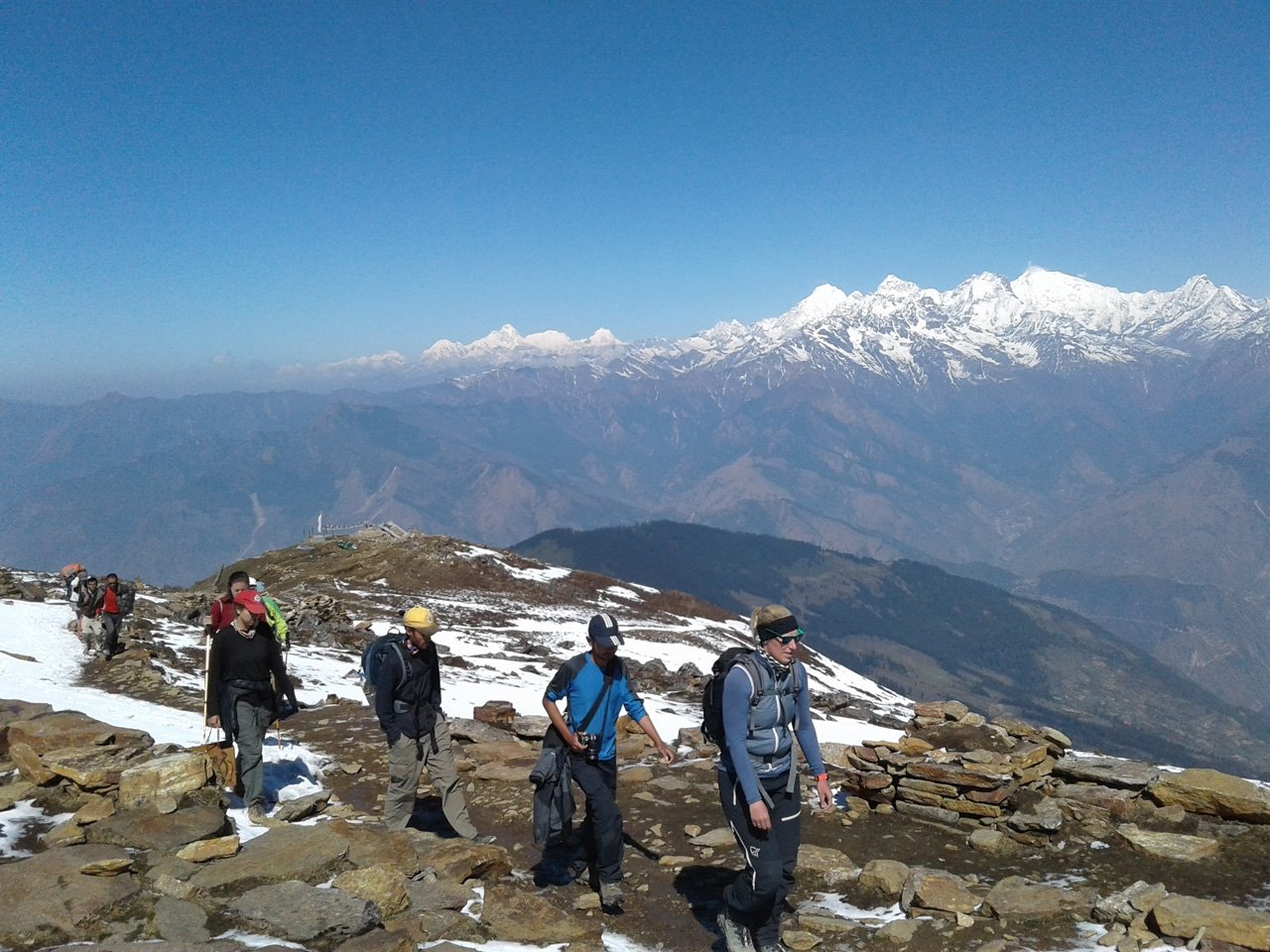
The Langtang section takes you through forested valleys, traditional Tamang settlements, and increasingly rugged mountain terrain toward Kyanjin Gompa. Surrounded by towering peaks and glacial scenery, this mountain settlement is an ideal place to explore the upper valley and, conditions permitting, hike to Kyanjin Ri for panoramic views. The route introduces trekkers to the cultural traditions of local communities while revealing the changing landscapes of Langtang National Park.
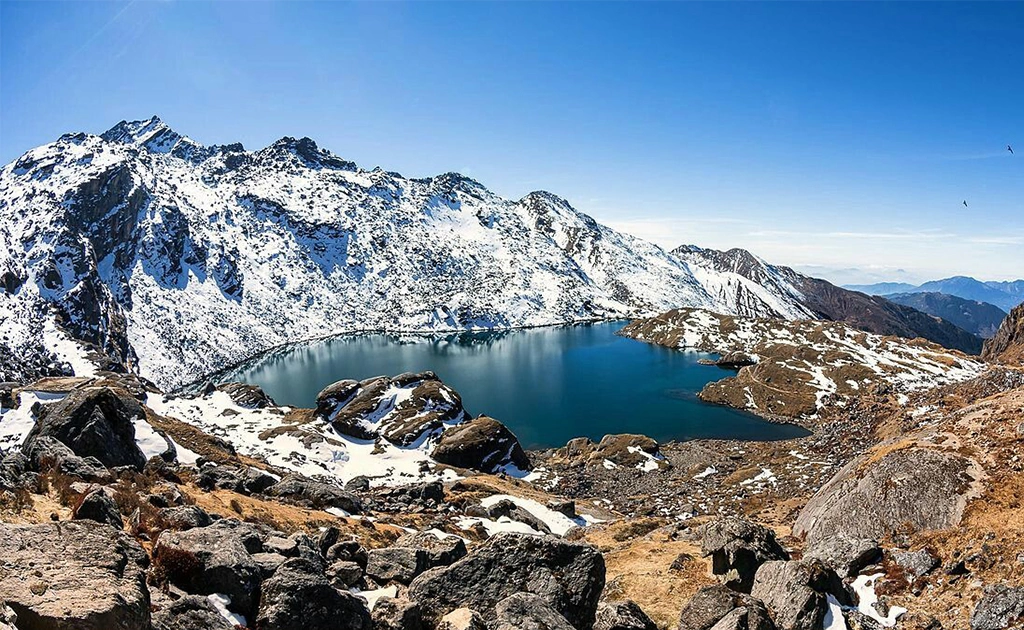
The journey continues toward Gosaikunda, a group of high-altitude lakes revered by both Hindu and Buddhist communities. Gosaikunda Lake is closely associated with Lord Shiva in Hindu tradition and attracts pilgrims, particularly during the Janai Purnima festival. Its clear waters, rocky mountain surroundings, and dramatic high-altitude setting make it one of Nepal’s most distinctive pilgrimage destinations.
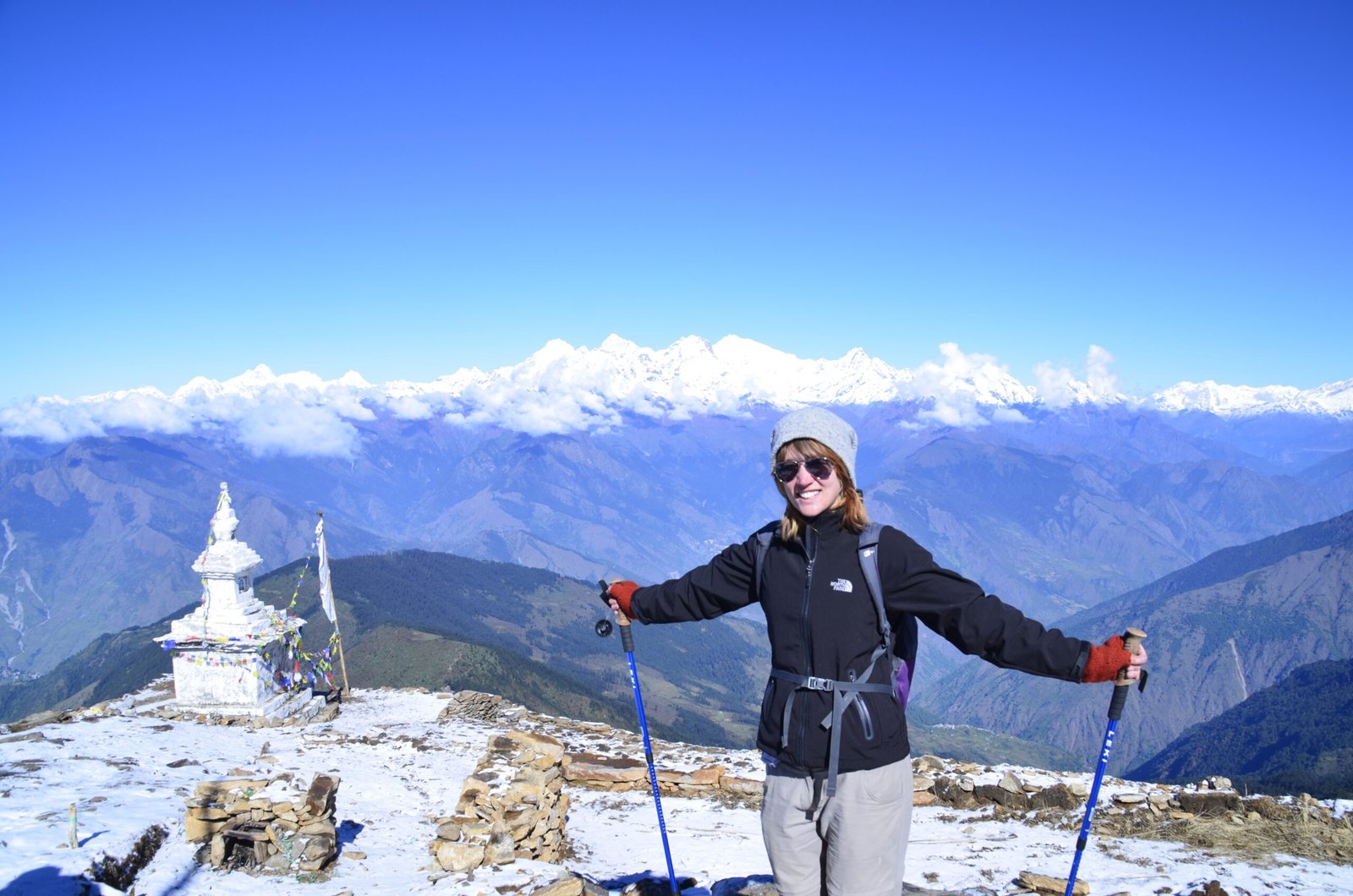
Beyond the lakes, the trail crosses the rugged Lauribina La Pass, approximately 4,610 meters above sea level, before descending into the Helambu region. This section brings a different character to the trek, with high ridgelines giving way to forested trails, smaller settlements, and communities known for their Buddhist heritage. The journey provides a broader experience of Nepal’s central Himalayas than a trek focused on a single valley.
The Langtang Gosaikunda Lake Trek with TrekUp Nepal is best suited to trekkers who want a longer and more varied Himalayan journey. It combines cultural encounters, sacred lakes, mountain viewpoints, and demanding high-altitude walking in one itinerary. The trek requires good physical preparation, careful acclimatization, and flexibility because snow, weather, and trail conditions can affect the crossing of Lauribina La.
Trip Info
-
Available
-
Available
-
Breakfast, Lunch and Dinner during Trek
-
16,352 feet
-
Spring and Autumn
-
Kathmandu
-
Kathmandu
-
Tea House or Lodge during trek
Overview
The Langtang Gosaikunda Lake Trek combines the spectacular Langtang Valley, the sacred alpine lakes of Gosaikunda, and the scenic Helambu region in one rewarding Himalayan journey. Explore Tamang villages, visit Kyanjin Gompa, discover the high-altitude lakes, and cross Lauribina La Pass at approximately 4,610 meters. This challenging trek offers a rich blend of mountain scenery, local culture, and spiritual heritage.
Highlights
- Explore the dramatic landscapes of Langtang Valley and Langtang National Park.
- Visit Kyanjin Gompa, a mountain settlement surrounded by Himalayan peaks.
- Enjoy views of Langtang Lirung and other mountains of the Langtang range.
- Take an optional acclimatization hike toward Kyanjin Ri, depending on conditions.
- Visit the sacred alpine lakes of Gosaikunda at approximately 4,380 meters.
- Learn about the religious and cultural significance of Gosaikunda Lake.
- Cross Lauribina La Pass at approximately 4,610 meters when conditions permit.
- Experience the traditional Tamang and Helambu communities.
- Walk through forests, alpine meadows, rocky ridgelines, and glacial landscapes.
- Stay in local teahouses and experience mountain hospitality.
- Combine two renowned trekking destinations with the scenic trails of Helambu.
- Enjoy a challenging, multi-region Himalayan journey from Kathmandu.
Langtang Gosaikunda Lake Trek Overview
The Langtang Gosaikunda Lake Trek in Nepal is a diverse Himalayan journey that brings together the mountain landscapes of Langtang Valley, the spiritual significance of Gosaikunda Lake, and the cultural trails of Helambu. It is designed for travelers who want more than a single-valley trek and are prepared for a longer, more physically demanding route.
The Langtang section features forested valleys, traditional Tamang villages, and the spectacular surroundings of Kyanjin Gompa. Trekkers can explore the upper valley and, if conditions allow, hike to Kyanjin Ri for views of the Langtang range. The journey then connects with Gosaikunda, a group of sacred alpine lakes set among rugged mountain terrain.
Crossing Lauribina La Pass adds a significant high-altitude challenge before the trail descends into the Helambu region. Along the way, trekkers experience changing landscapes, local teahouse hospitality, Buddhist cultural landmarks, and traditional mountain settlements. This combination of natural scenery and cultural experiences makes the trek a rewarding choice for travelers seeking a more comprehensive exploration of Nepal’s central Himalayas.
The route requires careful planning because the high pass may be affected by snow, ice, and poor visibility. The 2026 floods have also changed the usual access arrangements in the Langtang region, so the final itinerary should reflect current transport availability and official trail guidance.
With TrekUp Nepal, travelers can arrange a guided trekking experience with support for permits, accommodation, meals, and route planning according to the confirmed package. Before booking, trekkers should review the daily walking schedule, maximum altitude, physical demands, and current access conditions to ensure the journey matches their experience and expectations.
What Can You Expect from the Langtang Gosaikunda Lake Trek Package?
- A multi-region Himalayan journey combining Langtang Valley, Gosaikunda Lake, and Helambu.
- Panoramic mountain scenery, including views of the Langtang range when weather permits.
- A visit to Kyanjin Gompa, a traditional mountain settlement surrounded by dramatic alpine landscapes.
- An optional hike toward Kyanjin Ri, subject to fitness, acclimatization, weather, and trail conditions.
- A visit to Gosaikunda Lake, a sacred high-altitude destination important to Hindu and Buddhist traditions.
- A demanding crossing of Lauribina La Pass at approximately 4,610 meters when local conditions permit.
- Forested trails, alpine meadows, rocky ridges, and changing Himalayan vegetation.
- Cultural encounters in Tamang and Helambu communities along the confirmed route.
- Overnight stays in local teahouses and mountain lodges.
- Several consecutive days of walking, requiring good fitness, suitable equipment, and a steady pace.
- Guided support for route navigation, daily planning, and coordination along the trail.
- A longer alternative approach if the usual road access is unavailable, subject to official permission and current safety advice.
Benefits of Booking the Langtang Gosaikunda Lake Trek with TrekUp Nepal
- Receive assistance planning a multi-region trek that connects Langtang Valley, Gosaikunda, and Helambu.
- Get support confirming the current route, road access, and overnight stops before departure.
- Trek with a guide who can help coordinate the daily schedule and assess changing trail conditions.
- Receive assistance arranging the applicable national park permits and required trekking documentation.
- Review the package inclusions and exclusions before booking so you understand the planned services and costs.
- Discuss private departures, group arrangements, porter support, and additional acclimatization time.
- Get practical advice on packing, weather preparation, altitude, and the physical demands of the route.
- Receive guidance on whether optional viewpoint hikes are suitable for your fitness and acclimatization.
- Arrange accommodation and meals according to the confirmed itinerary and local availability.
- Get help planning a responsible trekking experience that respects local communities, cultural sites, and the natural environment.
Itinerary
The 16-day Langtang Gosaikunda Lake Trek combines the Helambu approach, the sacred Gosaikunda lakes, and the spectacular Langtang Valley. Cross high mountain terrain, visit Kyanjin Gompa, and explore the upper valley before returning through the forested trails of Helambu. This alternative route requires strong fitness, careful acclimatization, and confirmation of current trail access.
Arrive in Kathmandu, where you will be welcomed and transferred to your hotel. After settling in, meet your TrekUp Nepal representative or trekking guide to discuss the planned route, walking schedule, equipment, and safety arrangements. Because this extended itinerary uses an alternative approach through Helambu, the team should reconfirm current trail access, weather restrictions, and the feasibility of reaching the Langtang section before departure. Use the remaining time to check your trekking equipment and prepare for several consecutive days of high-altitude walking.
Altitude: Kathmandu – approximately 1,400 m
Trekking Duration: No trekking; airport transfer and preparation
Meals: Welcome meal if included in the confirmed package
Accommodation: Hotel in Kathmandu
Activity: Arrival, trek briefing, equipment check, and route confirmation
After breakfast, travel from Kathmandu to Sundarijal, the starting point for the alternative approach into the Helambu region. Begin trekking through the forested trails of Shivapuri Nagarjun National Park, following stone steps, woodland paths, and small settlements. The route gradually climbs toward the ridge and passes through areas of natural vegetation with occasional views across the Kathmandu Valley. Continue toward Chisapani, a hilltop settlement known for its broad landscapes and views on clear days. This first walking day introduces you to the terrain and establishes a steady pace for the longer journey ahead.
Altitude: Sundarijal – approximately 1,460 m; Chisapani – approximately 2,300 m
Trekking Duration: Approximately 4–6 hours
Meals: Breakfast, lunch, and dinner
Accommodation: Teahouse or lodge in Chisapani
Activity: Forest trekking, gradual ascent, and Himalayan foothill views
Leave Chisapani and continue along forested ridges and village trails toward Kutumsang. The route passes through settlements, cultivated hillsides, and sections of woodland, with changing views across the surrounding hills. There are several ascents and descents along the way, so maintain a comfortable rhythm and take regular breaks. As you move deeper into Helambu, the trail reveals the quieter rural character of the region. Arrive in Kutumsang and rest at a local lodge before the more demanding high-altitude sections ahead.
Altitude: Kutumsang – approximately 2,470 m
Trekking Duration: Approximately 5–7 hours
Meals: Breakfast, lunch, and dinner
Accommodation: Teahouse or lodge in Kutumsang
Activity: Ridge walking, forest trails, and village scenery
Today's trail climbs through forested slopes and remote mountain terrain toward Ghopte. The route includes sustained uphill sections and uneven paths, with the landscape gradually becoming more rugged as you gain elevation. Depending on the exact trail and weather, you may pass through areas of rhododendron and pine forest before reaching the more exposed terrain near Ghopte. The settlement is a simple overnight stop used by trekkers crossing between Helambu and the Gosaikunda region. Rest well, drink enough water, and follow your guide's advice as you prepare for the high pass and lake region.
Altitude: Ghopte – approximately 3,440 m
Trekking Duration: Approximately 6–8 hours
Meals: Breakfast, lunch, and dinner
Accommodation: Basic teahouse or lodge in Ghopte
Activity: Forest trekking, sustained climbing, and preparation for high-altitude terrain
This is one of the most demanding sections of the alternative route. Begin early and follow the high mountain trail toward the Lauribina La Pass, approximately 4,610 meters above sea level. The ascent can be strenuous, particularly because of the elevation gain and exposed terrain. Snow, ice, strong winds, or poor visibility may affect the crossing, and the route should only be attempted when local authorities and your guide confirm that conditions are safe. After crossing the pass, continue toward the Gosaikunda lake area. The sacred lake sits among rugged mountain slopes and offers a striking high-altitude landscape. On arrival, settle into the available accommodation and keep the evening quiet to recover from the demanding day.
Altitude: Gosaikunda Lake – approximately 4,380 m; Lauribina La Pass – approximately 4,610 m
Trekking Duration: Approximately 7–10 hours, depending on conditions and pace
Meals: Breakfast, lunch, and dinner
Accommodation: Basic teahouse or lodge near Gosaikunda, subject to availability
Activity: High-altitude trekking, pass crossing, and visit to the sacred lakes
After breakfast, begin descending from Gosaikunda through the high mountain landscape toward the lower Gosaikunda trail system. The route passes smaller lakes and rocky slopes before continuing toward Cholangpati and Sing Gompa, depending on the selected trail and overnight arrangements. From the higher ridges, the scenery transitions toward forested hillsides and traditional settlements. Continue toward Thulo Syabru, a village known for its mountain setting and local cultural character. This is a long and potentially tiring descent, so use trekking poles if available and take care on loose or slippery sections.
Altitude: Thulo Syabru – approximately 2,250 m
Trekking Duration: Approximately 6–9 hours, depending on the confirmed route
Meals: Breakfast, lunch, and dinner
Accommodation: Teahouse or lodge in Thulo Syabru
Activity: Descent from Gosaikunda, forest trekking, and village exploration
Continue toward Lama Hotel along forested trails that descend and climb through the lower Langtang Valley. The route follows wooded slopes and stream corridors, with bamboo, oak, and other vegetation appearing along sections of the trail. There are several changes in elevation, so the day can feel more demanding than a simple descent. Take breaks as needed and allow enough time to reach Lama Hotel before evening. This section connects the Gosaikunda route with the main Langtang Valley trekking trail.
Altitude: Lama Hotel – approximately 2,470 m
Trekking Duration: Approximately 5–7 hours
Meals: Breakfast, lunch, and dinner
Accommodation: Teahouse at Lama Hotel
Activity: Forest trekking, river-valley scenery, and connection with the Langtang route
Follow the Langtang Khola valley through forested terrain toward Ghoda Tabela and the upper settlements. As the trail gains elevation, the dense forest gradually gives way to open hillsides and broader mountain views. Continue through the changing landscape toward Langtang Village, where traditional stone buildings and mountain scenery reflect the character of the upper valley. The settlement was rebuilt following the 2015 earthquake, and its recovery remains an important part of the region's recent history. Arrive at your teahouse and rest after the day's ascent.
Altitude: Langtang Village – approximately 3,430 m
Trekking Duration: Approximately 5–7 hours
Meals: Breakfast, lunch, and dinner
Accommodation: Teahouse in Langtang Village
Activity: Valley trekking, mountain viewing, and cultural exploration
Continue farther into Langtang Valley toward Kyanjin Gompa. The route passes smaller settlements, mani walls, prayer flags, stone-built structures, and open grazing areas. As you gain altitude, the valley becomes broader and the surrounding peaks more prominent. The walking distance is generally shorter than on previous days, giving you time to appreciate the landscape and adjust to the higher elevation. Upon reaching Kyanjin Gompa, settle into your lodge and explore the settlement if time and energy allow. The village is an excellent base for viewing the surrounding mountains and exploring the upper valley.
Altitude: Kyanjin Gompa – approximately 3,870 m
Trekking Duration: Approximately 3–4 hours
Meals: Breakfast, lunch, and dinner
Accommodation: Teahouse at Kyanjin Gompa
Activity: Alpine trekking, cultural exploration, and acclimatization
Spend the day allowing your body to adjust to the altitude while exploring the area around Kyanjin Gompa. If you feel well and your guide considers the conditions suitable, you may hike toward Kyanjin Ri for panoramic views of Langtang Lirung, glaciers, and the surrounding mountain ridges. The climb is steep and physically demanding because of the elevation, so it should be attempted only when you are properly acclimatized and the weather is stable. Alternatively, take a shorter walk around the settlement, visit local cultural sites, or rest at the lodge. The day should prioritize acclimatization and recovery rather than reaching a viewpoint at all costs.
Altitude: Kyanjin Gompa – approximately 3,870 m; Kyanjin Ri – approximately 4,773 m, depending on the viewpoint reached
Trekking Duration: Approximately 3–6 hours for an optional viewpoint hike; less for a local walk
Meals: Breakfast, lunch, and dinner
Accommodation: Teahouse at Kyanjin Gompa
Activity: Acclimatization, optional viewpoint hike, and exploration of the upper valley
Begin the return journey from Kyanjin Gompa, retracing the trail through the upper valley toward Langtang Village and Ghoda Tabela before continuing to Lama Hotel. The descent offers another perspective of the valley, including its stone settlements, open grazing areas, and surrounding mountain slopes. Although the route generally loses elevation, the long distance and uneven terrain can place pressure on the knees. Maintain a steady pace and take regular breaks. Arrive at Lama Hotel and spend the evening resting in the forested surroundings.
Altitude: Lama Hotel – approximately 2,470 m
Trekking Duration: Approximately 6–8 hours
Meals: Breakfast, lunch, and dinner
Accommodation: Teahouse at Lama Hotel
Activity: Descending through Langtang Valley and forest trekking
Leave Lama Hotel and follow the connecting trail toward Thulo Syabru before ascending toward Chandanbari, also known as Sing Gompa. This is a route-planning-sensitive section: the exact path and overnight stop must be confirmed locally, as trail conditions and access arrangements can affect the route. Expect forested slopes, village paths, and sustained uphill walking as you regain elevation. Chandanbari is a small mountain settlement known for its monastery and local cheese production. On arrival, rest and prepare for the next section through the high ridges toward Ghopte.
Altitude: Chandanbari / Sing Gompa – approximately 3,250–3,330 m
Trekking Duration: Approximately 6–8 hours, depending on the confirmed trail
Meals: Breakfast, lunch, and dinner
Accommodation: Teahouse or lodge in Chandanbari
Activity: Forest trekking, uphill walking, and village exploration
Continue along the high mountain trail toward Ghopte or Phedi, depending on the confirmed itinerary and current trail conditions. The route includes steep ascents and descents across rugged terrain, with exposed sections and possible snow or ice at higher elevations during colder periods. This is another demanding day, particularly after the preceding high-altitude stages. Walk with your guide, keep a steady pace, and avoid rushing on slippery or uneven ground. The overnight stop will depend on the trail conditions, walking time, and the availability of safe accommodation.
Altitude: Ghopte – approximately 3,440 m; Phedi – altitude varies by the selected overnight location
Trekking Duration: Approximately 6–8 hours, subject to route conditions
Meals: Breakfast, lunch, and dinner
Accommodation: Basic teahouse or lodge at the confirmed overnight stop
Activity: High-ridge trekking, forest paths, and descent toward Helambu
Leave the higher mountain terrain and descend toward Kutumsang through forested slopes and remote settlements. The trail crosses ridgelines and wooded sections before reaching the lower Helambu landscape. While the descent generally reduces altitude-related strain, the route still involves uneven ground and repeated uphill and downhill sections. Take time to appreciate the quieter mountain environment and the changing vegetation. Arrive at Kutumsang and rest at a local lodge.
Altitude: Kutumsang – approximately 2,470 m
Trekking Duration: Approximately 5–7 hours
Meals: Breakfast, lunch, and dinner
Accommodation: Teahouse or lodge in Kutumsang
Activity: Descending through Helambu, forest trekking, and village scenery
Continue along the Helambu ridge trails toward Chisapani. The route passes through forested hills, cultivated land, and small settlements, with occasional open viewpoints across the surrounding hills. The walking day includes both ascents and descents, but the lower elevation can make breathing and recovery more comfortable than in the high mountain sections. On arrival in Chisapani, settle into your accommodation and enjoy the final evening on the trail.
Altitude: Chisapani – approximately 2,300 m
Trekking Duration: Approximately 5–7 hours
Meals: Breakfast, lunch, and dinner
Accommodation: Teahouse or lodge in Chisapani
Activity: Ridge trekking, forest trails, and scenic viewpoints
After breakfast, descend from Chisapani through forested trails toward Sundarijal. The route passes through the lower hills and protected forest area before reaching the roadhead. From Sundarijal, travel back to Kathmandu and transfer to your hotel or onward destination. The trek concludes after a journey through Langtang Valley, Gosaikunda, and Helambu. Keep some flexibility in your onward travel arrangements, as road conditions and weather can affect the return journey.
Altitude: Sundarijal – approximately 1,460 m; Kathmandu – approximately 1,400 m
Trekking Duration: Approximately 4–5 hours walking, followed by a road transfer
Meals: Breakfast and lunch, according to the confirmed package
Accommodation: Not included after arrival in Kathmandu unless arranged separately
Activity: Final descent, drive to Kathmandu, and completion of the trek
Includes/Excludes
Cost Includes
- Ground transportation between Kathmandu and the confirmed trekking access points.
- Licensed trekking guide for the agreed itinerary.
- Applicable Langtang National Park entry permit and other required trekking documentation.
- Teahouse or lodge accommodation during the trek.
- Meals during trekking days, if the package is confirmed on a full-board basis.
- Guide's wages, meals, accommodation, insurance, and applicable expenses.
- Route planning and trekking coordination by TrekUp Nepal.
- Basic first-aid support carried by the trekking guide.
- Government taxes and service charges applicable to the confirmed package, where specified.
Cost Excludes
- International flights to and from Nepal.
- Nepal entry visa fees.
- Hotel accommodation and meals in Kathmandu unless specifically included.
- Personal travel insurance, including high-altitude trekking and emergency evacuation coverage.
- Personal trekking equipment, clothing, footwear, and sleeping bag.
- Porter service unless explicitly included.
- Extra food, snacks, bottled drinks, hot showers, device charging, Wi-Fi, and personal purchases not included in the package.
- Tips for the guide, porter, and driver.
- Additional accommodation, transport, or meals resulting from delays or route changes beyond the agreed package.
- Extra costs caused by weather restrictions, access changes, or additional nights.
- Optional hikes or activities not listed in the confirmed itinerary.
- Any service not explicitly stated under Cost Includes.
Add-ons and Options
Porter Service
Arrange a porter to carry your main trekking luggage so you can walk with a lighter daypack. Porter availability, luggage limits, and pricing should be confirmed before booking.
Private Transportation
Request private ground transportation between Kathmandu and the confirmed trail access points. Vehicle availability and the route will depend on current road conditions, and additional charges may apply for detours or difficult access.
Additional Acclimatization Day
Add an extra rest or acclimatization day if required by your health, fitness, or the final route plan. The schedule should prioritize safe altitude gain rather than a fixed deadline.
Kyanjin Ri Viewpoint Hike
Add an optional hike toward Kyanjin Ri for elevated views of the Langtang range. The hike should only proceed if your guide considers your acclimatization, fitness, and the weather suitable.
Extra Night in Kathmandu
Arrange additional accommodation before or after the trek to allow time for preparation, recovery, or international flight connections.
Customized Trekking Plan
Discuss changes to the departure date, walking pace, overnight stops, or porter arrangements with TrekUp Nepal. Customization depends on the confirmed route, local accommodation, and current safety guidance.
How to Personalize Your Trek
Share your preferred departure date and number of travelers with TrekUp Nepal. Confirm the current route, daily itinerary, package inclusions, and all additional services before completing your booking. Review the final price and payment terms carefully, particularly if the alternative access route requires additional transport or nights.
Best Time to Do the Langtang Gosaikunda Lake Trek
Spring (March–May)
Spring is generally one of the best seasons for the Langtang Gosaikunda Lake Trek. Temperatures become milder, forests may display rhododendron blooms, and clear mornings can offer impressive views of the surrounding mountains. Snow may remain around Lauribina La Pass early in the season, so the crossing should be confirmed with local guides before departure.
Autumn (September–November)
Autumn is traditionally another favorable trekking season, with cooler temperatures and good mountain visibility on clear days. September may still bring residual monsoon rainfall, while November can be significantly colder at Gosaikunda and along exposed high-altitude trails. The route requires a current safety check regardless of the season.
What Our Travelers Say
Read reviews from travelers who have joined our Himalayan trips. See what they enjoyed and what they thought about their experience.
Frequently Asked Questions
Faq's
The trek is challenging because it combines long walking days, high-altitude terrain, and the crossing of Lauribina La Pass at approximately 4,610 meters. The alternative approach via Helambu can be especially demanding and is best suited to trekkers with good fitness and previous multi-day trekking experience.
Under normal access conditions, the combined Langtang, Gosaikunda, and Helambu trek commonly takes around 15 days. A longer alternative route has been published following the 2026 floods. The duration depends on the confirmed route, acclimatization requirements, and current trail access.
Lauribina La Pass reaches approximately 4,610 meters. If conditions and acclimatization allow an optional hike to Kyanjin Ri, the highest point reached may be approximately 4,773 meters. The precise maximum depends on the final itinerary and viewpoint selected.
Gosaikunda Lake is approximately 4,380 meters above sea level. The high elevation means trekkers should ascend carefully and monitor their health.
Gosaikunda is a sacred alpine lake revered by Hindu and Buddhist communities. Hindu tradition associates the lake with Lord Shiva, and it attracts pilgrims during the Janai Purnima festival. Its high mountain setting also makes it a major natural highlight of the trek.
Previous trekking experience is strongly recommended, especially for the alternative itinerary. Trekkers should be comfortable walking for several hours over consecutive days and managing sustained ascents and descents. Good fitness alone does not remove the risks associated with altitude.
Spring, from March to May, and autumn, from September to November, are generally the preferred seasons. However, snow, storms, and temporary access restrictions can affect the high-altitude route, so current local advice is essential.
The trek generally requires a Langtang National Park entry permit and the applicable trekking registration or local-area documentation. If the route exits through Shivapuri Nagarjun National Park at Sundarijal, an additional park entry fee may apply. Requirements and fees should be confirmed before departure.
Trekkers should plan to travel with a licensed guide and confirm the latest rules with the relevant authorities or trekking operator. A guide is particularly important for the alternative route, high-altitude crossings, and changing trail conditions.
Accommodation is generally in local teahouses and mountain lodges. Facilities become simpler at higher elevations and in remote settlements. Accommodation around Gosaikunda may be limited, particularly during busy pilgrimage periods.
Common meals include dal bhat, noodles, rice, soups, potatoes, eggs, Tibetan-style bread, and other simple teahouse dishes. Food options can become more limited at higher elevations, so travelers with dietary requirements should inform TrekUp Nepal before departure.
Yes. The route reaches elevations above 4,000 meters and crosses a high mountain pass. Ascend gradually, follow your guide's instructions, and report headaches, nausea, dizziness, unusual fatigue, or breathlessness promptly. Severe or worsening symptoms require immediate descent and medical assessment.
This extended route is not the best choice for inexperienced trekkers. Beginners should consider building their fitness and trekking experience before attempting a journey involving several high-altitude stages and a major pass crossing.
Bring broken-in trekking boots, layered clothing, a warm insulated jacket, waterproof outerwear, gloves, a hat, sunglasses, sunscreen, trekking poles, a headlamp, a reusable water bottle, personal medication, and a comfortable daypack. A suitable sleeping bag and snow or ice equipment may be needed depending on the season and conditions.
Comprehensive travel insurance is strongly recommended. Check that your policy covers trekking at the maximum planned altitude, medical treatment, and emergency evacuation where medically necessary.
Access arrangements have changed following the August 2026 floods, and alternative routes have been published. However, road access and high-altitude trekking permissions can change with repairs, weather, and official restrictions. Confirm the latest conditions with TrekUp Nepal and local authorities before booking or departing.
Yes. Private departures, additional acclimatization days, porter support, and changes to the walking schedule may be possible. All adjustments depend on route access, available accommodation, and local safety advice.