

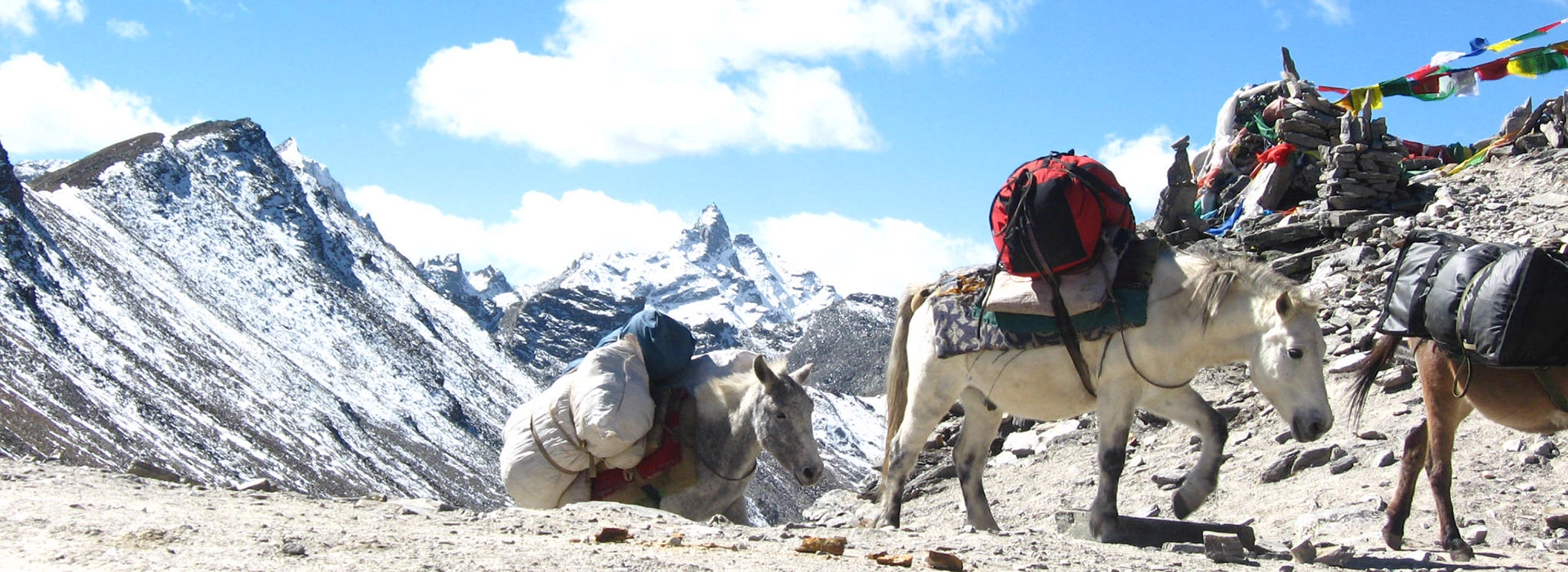


The Limi Valley Trek is an extraordinary journey into one of Nepal’s most isolated Himalayan regions, located in the northern part of Humla District, near the Nepal–Tibet border. Surrounded by rugged mountains, deep river valleys and high-altitude landscapes, Limi Valley offers a rare opportunity to explore a part of Nepal where traditional village life and centuries-old Himalayan customs remain closely connected to the land.
The journey begins in Simikot, the administrative centre of Humla, and follows the upper Karnali River through remote settlements such as Dharapori, Kermi, Yalbang, Tumkot and Yari. As the trail moves north, the landscape gradually changes from green river valleys and cultivated hillsides to dry, open terrain influenced by the Tibetan Plateau. Crossing Nara La Pass (approximately 4,580 m) brings trekkers to Hilsa, a border settlement associated with historic trade and pilgrimage routes between Nepal and Tibet.
From Hilsa, the route enters the secluded Limi Valley, home to the traditional villages of Til, Halji and Jang. These settlements are known for their stone houses, distinctive architecture, Buddhist heritage and strong Tibetan cultural influences. A major cultural highlight is Rinchenling Gompa in Halji, an important monastery that reflects the region’s long-standing Buddhist traditions. The villages provide a meaningful glimpse into a way of life shaped by high-altitude farming, livestock herding, trade and the surrounding mountains.
Beyond its cultural importance, the Limi Valley Trek is also a remarkable wilderness experience. The route passes through broad alpine landscapes, barren mountain slopes, glacial streams and remote grazing areas. Trekkers may encounter Himalayan wildlife, including blue sheep, while the wider region is known for rare species such as the snow leopard. The quiet trails and limited visitor numbers make this journey particularly appealing to trekkers who prefer remote destinations over Nepal’s busier trekking regions.
One of the most demanding and memorable sections is the crossing of Nyalu La Pass (approximately 4,995 m). From the high pastures near Talung, the trail climbs towards the pass before descending through the mountain landscape to Shinjungma and eventually reconnecting with the route towards Simikot. The crossing offers expansive views of the surrounding Himalayan terrain and marks the high point of the trek.
The Limi Valley Trek is more than a mountain walking experience. It combines remote Himalayan scenery, traditional settlements, historic trade routes and Tibetan-influenced Buddhist culture in a single journey. With challenging trails, limited infrastructure and a genuine sense of isolation, it is well suited to experienced trekkers seeking a distinctive adventure in western Nepal.
Trip Info
-
Hotels, local lodges or guesthouses during Trek
-
Kathmandu
-
Kathmandu
-
Spring and Autumn
-
16,388 ft
-
Breakfast, Lunch and Dinner during Trek
-
Available
-
Available
Overview
The 20-day Limi Valley Trek takes you into the remote landscapes of Humla, following the Karnali River through traditional Himalayan villages and across the high passes of Nara La and Nyalu La. Explore the culturally rich settlements of Til, Halji and Jang, visit the historic Rinchenling Gompa, and experience one of Nepal’s most secluded trekking regions near the Tibetan border.
Highlights
- Explore the remote Limi Valley in Humla, northwestern Nepal.
- Follow the upper Karnali River through isolated mountain settlements.
- Visit the traditional villages of Til, Halji and Jang.
- Discover the historic Rinchenling Gompa in Halji.
- Cross Nara La Pass at approximately 4,580 m.
- Cross Nyalu La Pass at approximately 4,995 m, the trek’s highest point.
- Experience Tibetan-influenced Buddhist culture, monasteries, chortens and mani walls.
- Walk through high-altitude pastures, rocky valleys and dramatic mountain landscapes.
- Visit Kermi, known for its natural hot springs.
- Experience a remote camping trek with fewer visitors than Nepal’s popular trekking regions.
- - Enjoy possible views towards the Tibetan Plateau and Mount Kailash from suitable viewpoints, depending on weather and visibility.
Overview of the Limi Valley Trek
The Limi Valley Trek in Nepal is a challenging 20-day Himalayan adventure that combines high mountain crossings, remote village exploration and cultural discovery in the isolated Humla region. Starting from Kathmandu, the journey travels through Nepalgunj to Simikot before following the Karnali River towards the Tibetan-border landscapes of northern Nepal.
The route takes trekkers through Kermi, Yalbang, Tumkot and Yari before crossing Nara La Pass and reaching Hilsa. From there, the trail enters Limi Valley and connects its three traditional villages: Til, Halji and Jang. A visit to the historic Rinchenling Gompa in Halji adds a significant cultural element to the journey, offering insight into the Buddhist traditions that have shaped local life for generations.
The return route is equally rewarding, climbing towards Talung before crossing Nyalu La Pass at approximately 4,995 m. The trek then descends to Shinjungma and continues towards Kermi and Simikot. This high-altitude circuit offers a combination of remote Himalayan scenery, traditional settlements and demanding mountain trails.
Unlike Nepal’s established teahouse trekking routes, the Limi Valley Trek involves extensive camping and careful logistical planning. Its restricted-area status, limited infrastructure and proximity to the Tibetan border make travelling with an experienced local team essential. It is particularly suitable for trekkers looking for a demanding and culturally rich journey away from crowded trails.
For travellers seeking a remote trekking experience in western Nepal, the Limi Valley Trek offers a distinctive combination of Himalayan wilderness, historic Buddhist heritage and traditional village life.
What Can You Expect from the Limi Valley Trek?
- A remote trekking experience in Humla, one of Nepal’s least-visited Himalayan regions.
- A journey along the Karnali River through rugged valleys, traditional settlements and changing mountain landscapes.
- A gradual transition from the lower river valleys around Simikot and Kermi to the dry, high-altitude terrain near the Tibetan border.
- The opportunity to explore Yalbang, Tumkot and other isolated communities along the historic route.
- A challenging crossing of Nara La Pass at approximately 4,580 m before reaching Hilsa.
- A closer look at the cultural identity of Limi Valley through visits to Til, Halji and Jang.
- Time to explore the traditional houses, agricultural surroundings and Buddhist landmarks of the three Limi villages.
- A cultural visit to Rinchenling Gompa in Halji, subject to local access and monastery arrangements.
- Opportunities to observe prayer flags, mani walls, chortens and other features of Tibetan-influenced Buddhist traditions.
- A high-altitude camping experience in remote locations where conventional teahouse facilities are generally unavailable.
- Long walking stages through rocky mountain terrain, open pastures and isolated valleys.
- The demanding ascent to Nyalu La Pass, the highest point of the itinerary at approximately 4,995 m.
- Views of surrounding Himalayan landscapes and high-altitude lakes, including the area around Selma Tso, subject to route and weather conditions.
- A chance to experience local hospitality and learn about life in communities shaped by farming, livestock and historic trade.
- A quieter trekking environment with substantially fewer visitors than Nepal’s popular Everest and Annapurna routes.
- A journey that requires physical preparation, patience and flexibility because of remote conditions and weather-dependent flights.
Benefits of Booking the Limi Valley Trek with TrekUp Nepal
- Local Himalayan Expertise: Travel with a team familiar with Nepal’s remote trekking regions, local communities and high-altitude conditions.
- Restricted-Area Permit Assistance: Receive support with the Humla Restricted Area Permit and other applicable trekking documentation.
- Licensed Trekking Guide: Trek with a qualified guide who understands the route, local conditions and the requirements of restricted-area travel.
- Organised Domestic Flights: Get assistance with flights between Kathmandu, Nepalgunj and Simikot, including return arrangements.
- Camping and Logistics Management: Have tents, kitchen equipment, food supplies and the necessary trekking crew arranged for remote sections.
- Experienced Support Crew: Benefit from organised porter and kitchen support so you can focus on the trekking experience.
- Planned Daily Stages: Follow an itinerary designed around the main villages, high passes and available overnight locations.
- Local Cultural Understanding: Learn more about the traditions, monasteries and daily life of the communities in Limi Valley.
- Safety and Altitude Awareness: Receive guidance on acclimatisation, high-altitude walking and recognising symptoms of altitude sickness.
- Flexible Private Departures: Arrange a private trek around your preferred travel dates, subject to permits, flights and local logistics.
- Clear Package Arrangements: Receive a breakdown of included services, exclusions and additional expenses before confirming your booking.
- Pre-Trek Preparation Support: Get guidance on clothing, camping equipment, personal supplies and physical preparation for the route.
- On-Trip Assistance: Have a local team coordinating the trek and helping manage practical issues that may arise in this remote region.
Itinerary
The 20-day Limi Valley Trek begins with flights from Kathmandu to Nepalgunj and Simikot before following the Karnali River towards the remote villages of Humla. The route crosses Nara La Pass to reach Hilsa and continues through Til, Halji and Jang, where trekkers experience the region's traditional Tibetan-influenced culture. The return journey crosses Nyalu La Pass at approximately 4,995 m before descending towards Kermi and Simikot.
Arrive at Tribhuvan International Airport in Kathmandu, where a TrekUp Nepal representative will welcome you and transfer you to your hotel. After settling in, you can rest or explore the nearby streets of the capital. The team will provide an initial introduction to the Limi Valley Trek and explain the arrangements for the upcoming journey into Humla.
Maximum Altitude: 1,337 m
Overnight Altitude: 1,337 m
Walking Duration: Airport transfer only
Accommodation: Hotel in Kathmandu
Meals: Not included
This day is reserved for final preparations before travelling to western Nepal. Your guide will review the itinerary, check trekking equipment and discuss the remote conditions of the Limi Valley route. The team will also complete the necessary permit formalities and confirm domestic flight arrangements. You may use the remaining time for personal activities or a short visit around Kathmandu.
Maximum Altitude: 1,337 m
Overnight Altitude: 1,337 m
Walking Duration: Optional sightseeing and preparation
Accommodation: Hotel in Kathmandu
Meals: Breakfast
After breakfast, transfer to the domestic airport for your flight to Nepalgunj in western Nepal. The journey takes you from the Kathmandu Valley towards the warmer lowlands of the Terai. Nepalgunj serves as an important transit point for travel to remote districts in western Nepal. After arrival, check into your hotel and prepare for the early flight to Simikot.
Maximum Altitude: Approximately 1,337 m
Overnight Altitude: Approximately 150 m
Flight Duration: Approximately 50–60 minutes
Accommodation: Hotel in Nepalgunj
Meals: Breakfast
Take an early domestic flight from Nepalgunj to Simikot, the administrative headquarters of Humla. This short mountain flight offers views of rugged Himalayan terrain before landing at Simikot’s small mountain airstrip. At approximately 2,910 m, Simikot is an important gateway to the remote communities of the Karnali region. After arrival, spend time settling in, checking your equipment and preparing for the first walking stage.
Maximum Altitude: Approximately 2,910 m
Overnight Altitude: Approximately 2,910 m
Flight Duration: Approximately 30–45 minutes
Accommodation: Local lodge or available guesthouse
Meals: Breakfast, lunch and dinner
Begin the trek by descending from Simikot towards the Karnali River. The trail follows mountain slopes and traditional settlements before reaching the river corridor. You will pass cultivated fields, small villages and sections of rugged hillside, gradually leaving the busy surroundings of Simikot behind. The route provides an introduction to the landscape and rural lifestyle of Humla before reaching Dharapori for the first overnight stop.
Maximum Altitude: Approximately 2,910 m
Overnight Altitude: Approximately 2,300 m
Walking Duration: 5 hours
Accommodation: Tented camp
Meals: Breakfast, lunch and dinner
Continue along the Karnali River through a landscape of narrow valleys, cultivated terraces and scattered settlements. The trail includes gradual ascents and descents as it follows the river corridor towards Kermi. Along the way, you will experience the changing scenery of Humla, with rocky hillsides and traditional villages along the route. Kermi is known for its natural hot springs, which offer a welcome opportunity to relax after the day's walk, subject to local access and conditions.
Maximum Altitude: Approximately 2,670 m
Overnight Altitude: Approximately 2,670 m
Walking Duration: 5 hours
Accommodation: Tented camp
Meals: Breakfast, lunch and dinner
Leave Kermi and continue north along the Karnali Valley. The trail passes through forested sections and crosses a small pass before descending towards the Sali River and the settlement of Yalbang. This section introduces more of the region’s Buddhist heritage and traditional village architecture. Once in Yalbang, you may visit Namkha Khyung Dzong Monastery, an important local religious centre, if time and access allow.
Maximum Altitude: Approximately 3,020 m
Overnight Altitude: Approximately 3,020 m
Walking Duration: 5–6 hours
Accommodation: Tented camp
Meals: Breakfast, lunch and dinner
Today's walk follows the Karnali gorge through a mixture of rocky trails, open hillsides and traditional settlements. The route gradually gains elevation as you move towards Tumkot, where the landscape becomes drier and more open. The village is known for its Tibetan-influenced character and the monastery located above the settlement. After reaching Tumkot, settle into camp and enjoy the quieter surroundings of this remote Himalayan community.
Maximum Altitude: Approximately 3,380 m
Overnight Altitude: Approximately 3,380 m
Walking Duration: 5–6 hours
Accommodation: Tented camp
Meals: Breakfast, lunch and dinner
Continue towards Yari, following a trail that gradually climbs through dry mountain terrain and open valleys. The vegetation becomes more sparse as the route approaches the higher Himalayan landscape near the Tibetan border. Yari is an important settlement before the crossing of Nara La Pass and the route towards Hilsa. The gradual ascent provides time to adjust to the increasing elevation before the next day's high-pass crossing.
Maximum Altitude: Approximately 3,700 m
Overnight Altitude: Approximately 3,700 m
Walking Duration: 5–6 hours
Accommodation: Tented camp
Meals: Breakfast, lunch and dinner
Today is one of the important high-altitude stages of the Limi Valley Trek. Leave Yari and ascend towards Nara La Pass at approximately 4,580 m, following a rugged trail through open mountain terrain. From the pass, descend towards Hilsa, a settlement beside the Karnali River near the Nepal–Tibet border. The crossing follows an old route associated with trade and pilgrimage journeys between the two regions. After the descent, establish camp at Hilsa and rest after this demanding day.
Maximum Altitude: Approximately 4,580 m at Nara La Pass
Overnight Altitude: Approximately 3,720 m
Walking Duration: 7 hours
Accommodation: Tented camp
Meals: Breakfast, lunch and dinner
Leave Hilsa and enter the remote Limi Valley, following a trail that moves away from the main border settlement and continues along the Karnali River. The route passes through a rugged landscape of cliffs, dry slopes and narrow river corridors. As you progress towards Manepeme, the surroundings become increasingly isolated, with fewer settlements and limited facilities. This stage marks the transition into the culturally distinctive Limi region.
Maximum Altitude: Approximately 3,990 m
Overnight Altitude: Approximately 3,990 m
Walking Duration: 6–7 hours
Accommodation: Tented camp
Meals: Breakfast, lunch and dinner
Continue deeper into Limi Valley, following remote mountain trails towards Til, one of the traditional settlements of the region. The route passes through high-altitude terrain with open slopes, rocky sections and views across the surrounding valley. Til is known for its traditional Tibetan-influenced architecture and isolated setting. On arrival, settle into camp and experience the quiet atmosphere of this historic village.
Maximum Altitude: Approximately 4,000 m
Overnight Altitude: Approximately 4,000 m
Walking Duration: 5–6 hours
Accommodation: Tented camp
Meals: Breakfast, lunch and dinner
Today's walk connects two of Limi Valley's traditional villages. Follow the trail from Til towards Halji, descending through the valley landscape and passing cultivated areas and traditional stone settlements. Halji is one of the most culturally significant villages in the region and is home to Rinchenling Gompa, an important Buddhist monastery traditionally associated with the area's long religious history. Depending on local access and the day's schedule, you can visit the monastery and observe the village's distinctive architecture and religious landmarks.
Maximum Altitude: Approximately 4,000 m
Overnight Altitude: Approximately 3,660 m
Walking Duration: 3–4 hours
Accommodation: Tented camp
Meals: Breakfast, lunch and dinner
Leave Halji and continue along the Limi Valley towards Jang, the easternmost of the three principal villages on this route. The trail follows the valley through open terrain, cultivated patches and traditional settlements, offering more opportunities to observe the region's Tibetan-influenced lifestyle. Jang is a small and remote village where the surrounding mountains and traditional houses create a strong sense of isolation. After arrival, rest and prepare for the climb towards Talung.
Maximum Altitude: Approximately 3,930 m
Overnight Altitude: Approximately 3,930 m
Walking Duration: 4 hours
Accommodation: Tented camp
Meals: Breakfast, lunch and dinner
Depart Jang and gradually climb towards Talung, leaving the main village settlements behind as the trail enters higher alpine terrain. The route becomes more demanding, with a sustained ascent through rocky slopes and open grazing areas. Talung is a high-altitude camping location used before crossing Nyalu La Pass. The overnight stop is important for preparing for the following day's long and challenging pass crossing.
Maximum Altitude: Approximately 4,370 m
Overnight Altitude: Approximately 4,370 m
Walking Duration: Approximately 7 hours
Accommodation: Tented camp
Meals: Breakfast, lunch and dinner
This is the highest and one of the most challenging days of the Limi Valley Trek. Begin early and ascend from Talung towards Nyalu La Pass at approximately 4,995 m. The climb crosses high, exposed mountain terrain, where weather and snow conditions can affect progress. From the pass, enjoy broad views of the surrounding Himalayan landscape before descending towards Selma Tso and the Shinjungma area. The long descent brings you back to a lower elevation for the overnight camp.
Maximum Altitude: Approximately 4,995 m at Nyalu La Pass
Overnight Altitude: Approximately 3,620 m
Walking Duration: Approximately 8 hours
Accommodation: Tented camp
Meals: Breakfast, lunch and dinner
After crossing Nyalu La, continue the return journey towards the Karnali Valley. The trail descends through remote mountain terrain and gradually reconnects with the lower valley route. The landscape changes as you lose altitude, with more vegetation and warmer conditions appearing along the way. Continue towards Kermi, where you can rest after the demanding high-pass section and enjoy the familiar surroundings of the village.
Maximum Altitude: Approximately 3,620 m
Overnight Altitude: Approximately 2,670 m
Walking Duration: Approximately 7 hours
Accommodation: Tented camp
Meals: Breakfast, lunch and dinner
Complete the trekking section by following the return route towards Simikot. The trail passes through the Karnali Valley and Dharapori, with a combination of gradual ascents, descents and riverside sections. As you approach Simikot, you will reconnect with the main settlement and the facilities available in the district headquarters. After arrival, celebrate the completion of the Limi Valley circuit with your trekking crew.
Maximum Altitude: Approximately 2,910 m
Overnight Altitude: Approximately 2,910 m
Walking Duration: Approximately 7 hours
Accommodation: Local lodge or available guesthouse
Meals: Breakfast, lunch and dinner
After breakfast, transfer to Simikot Airport for your return flight to Nepalgunj. Subject to flight schedules and weather conditions, continue with a connecting flight to Kathmandu. On arrival, transfer to your hotel and enjoy the evening at leisure. This marks the end of the remote trekking journey through Limi Valley.
Maximum Altitude: Approximately 2,910 m
Overnight Altitude: Approximately 1,337 m
Flight Duration: Approximately 30–45 minutes to Nepalgunj, followed by the connecting flight to Kathmandu
Accommodation: Hotel in Kathmandu
Meals: Breakfast
Your Limi Valley Trek comes to an end today. Depending on your international flight schedule, a TrekUp Nepal representative will transfer you to Tribhuvan International Airport. We recommend allowing sufficient time for airport formalities and any changes caused by domestic flight delays during the trek.
Maximum Altitude: 1,337 m
Overnight Altitude: Not applicable
Walking Duration: Airport transfer only
Accommodation: Not included
Meals: Breakfast
Includes/Excludes
Cost Includes
- Airport pickup and drop-off in Kathmandu.
- Hotel accommodation in Kathmandu on a twin-sharing basis, including breakfast.
- Hotel accommodation in Nepalgunj and Simikot as specified in the itinerary.
- Domestic flights from Kathmandu to Nepalgunj and Nepalgunj to Simikot, including the return flights.
- Experienced, licensed English-speaking trekking guide.
- Assistant guide for larger groups, where required.
- Porters and trekking crew for carrying group equipment and luggage, according to the agreed porter ratio and weight limit.
- Humla Restricted Area Permit.
- TIMS or other applicable trekking registration fees, where required under current regulations.
- Camping accommodation and necessary camping equipment during the trek.
- Meals during trekking days, including breakfast, lunch and dinner.
- Cook and kitchen crew for camping sections.
- Tea and coffee during trekking days, according to the package arrangement.
- Staff wages, meals, accommodation, insurance and necessary equipment.
- First-aid kit carried by the trekking team.
- Government taxes and applicable service charges.
Cost Excludes
- International airfare to and from Nepal.
- Nepal entry visa fees.
- Lunch and dinner in Kathmandu and meals not specified in the package.
- Personal travel insurance, including helicopter evacuation coverage.
- Emergency rescue, evacuation and medical expenses.
- Personal trekking clothing, sleeping bag and equipment.
- Personal expenses such as alcoholic drinks, soft drinks, bottled water and additional snacks.
- Hot showers, charging facilities, Wi-Fi and other services where available at extra cost.
- Single-room supplements in Kathmandu or other hotels.
- Extra hotel nights caused by early arrival, late departure or flight delays, unless covered by the package.
- Tips and gratuities for guides, porters and support staff.
- Expenses arising from itinerary changes caused by weather, flight cancellations, natural events or other circumstances beyond the operator's control.
Add-ons and Options
The following services can be arranged at an additional cost, depending on availability and the final group arrangement.
- Additional Porter: Arrange extra porter support if you prefer to carry less personal luggage. Standard porter weight limits and sharing arrangements will be confirmed before departure.
- Private Room in Kathmandu: Upgrade to a private room or a higher-category hotel before and after the trek.
- Additional Hotel Nights: Add extra nights in Kathmandu or Nepalgunj if you want more time before or after the trekking journey.
- Extra Buffer Day: Include an additional day in the itinerary to provide flexibility for weather-related flight delays or other travel disruptions.
- Sleeping Bag Rental: Arrange a suitable cold-weather sleeping bag for the high-altitude camping sections.
- Trekking Equipment Rental: Rent selected equipment such as trekking poles, down jackets and other essential items, subject to availability.
- Private Departure: Arrange a private Limi Valley Trek departure for your family, friends or trekking group.
- Customised Itinerary: Request adjustments to the travel schedule or additional time in selected villages, where route conditions and permits allow.
- Domestic Flight Assistance: Request support with alternative flight arrangements if the regular schedule changes. Any additional airfare or charter costs will be quoted separately.
- Kathmandu Sightseeing: Add a guided cultural tour of Kathmandu Valley before or after the trek.
Best Time to Do the Limi Valley Trek
The best seasons for the Limi Valley Trek are spring and autumn. These periods generally provide more favourable weather, manageable trail conditions and better visibility across the high Himalayan landscape.
Spring (April to June)
Spring is a favourable season for trekking in Humla. Temperatures gradually become warmer, and the higher mountain areas begin to open as winter snow recedes. The route offers clear mountain scenery on suitable days, while the lower valleys show seasonal vegetation and flowering landscapes. Early spring can still bring snow around Nyalu La, so conditions should be checked before departure.
Autumn (September to November)
Autumn is another excellent season for the Limi Valley Trek. The weather is generally drier after the monsoon, and the skies often provide good mountain visibility. Daytime temperatures are suitable for walking, although nights become increasingly cold as November approaches. This is a particularly good period for trekkers seeking clearer views and more stable conditions.
What Our Travelers Say
Read reviews from travelers who have joined our Himalayan trips. See what they enjoyed and what they thought about their experience.
Frequently Asked Questions
Faq's
The standard itinerary presented by TrekUp Nepal takes 20 days, including arrival and departure in Kathmandu, domestic flights, the trekking route and return travel from Simikot.
Limi Valley is located in Humla District in northwestern Nepal, close to the Tibetan border. It is reached through Simikot and is known for its remote villages, mountain landscapes and Tibetan-influenced Buddhist culture.
The highest point on this itinerary is Nyalu La Pass at approximately 4,995 m. The route also crosses Nara La Pass at approximately 4,580 m.
The trek is strenuous because of its high altitude, remote location, long walking days, rugged trails and limited facilities. The crossings of Nara La and Nyalu La require good physical fitness and previous trekking experience.
Yes. Limi Valley is a restricted area, so foreign trekkers need a Humla Restricted Area Permit arranged through a registered trekking agency. A licensed guide is required. Other applicable trekking registration requirements should be checked before departure.
No. Foreign trekkers must arrange the required restricted-area permit through a registered agency and travel with a licensed guide. The agency also manages the necessary permits and local trekking arrangements.
Spring, from April to June, and autumn, from September to November, are generally the preferred seasons. These periods usually offer more favourable trekking conditions and better opportunities for mountain views.
Accommodation is generally in hotels in Kathmandu and Nepalgunj, with local lodging or guesthouse accommodation in Simikot where available. Most of the trekking route requires tented camping because accommodation facilities are limited in the remote villages and high-altitude sections.
Yes. The standard full-board trekking arrangement includes breakfast, lunch and dinner during trekking days. A cook and kitchen crew prepare meals during camping sections. Meals in Kathmandu and other locations are included only as specified in the package.
Yes. The itinerary reaches nearly 5,000 m, so altitude sickness is a genuine concern. Trekkers should ascend gradually, maintain hydration, follow the guide's instructions and report symptoms immediately. Any worsening symptoms require prompt medical assessment and descent when necessary.
Previous experience with multi-day trekking is strongly recommended. Trekkers should be comfortable walking for several hours a day, carrying a daypack and travelling through remote mountain terrain.
Mobile coverage is limited and unreliable in much of the region. Trekkers should not depend on continuous phone or internet access during the journey.
Views towards Mount Kailash may be possible from certain high viewpoints in the wider region, depending on the route, weather and visibility. A clear view is not guaranteed.
Winter is generally not recommended for the standard itinerary because of extreme cold, snow and possible high-pass closures. Conditions can make the route difficult or unsafe.
Essential items include broken-in trekking boots, warm layers, a down jacket, waterproof clothing, gloves, a warm hat, sunglasses, sunscreen, trekking poles, a sleeping bag suitable for cold camping conditions, a headlamp, personal medication and water purification supplies.
Comprehensive travel insurance is strongly recommended. It should cover high-altitude trekking, medical treatment and emergency helicopter evacuation at an altitude that covers the trek's highest point, approximately 4,995 m.
Flights to Simikot are weather-dependent and may be delayed or cancelled. Trekkers should keep a flexible schedule and allow buffer time when planning international departure flights.
You can contact TrekUp Nepal with your preferred departure date and group size. Our team can confirm availability, arrange the restricted-area permit and domestic flights, and provide the final itinerary and package cost.