
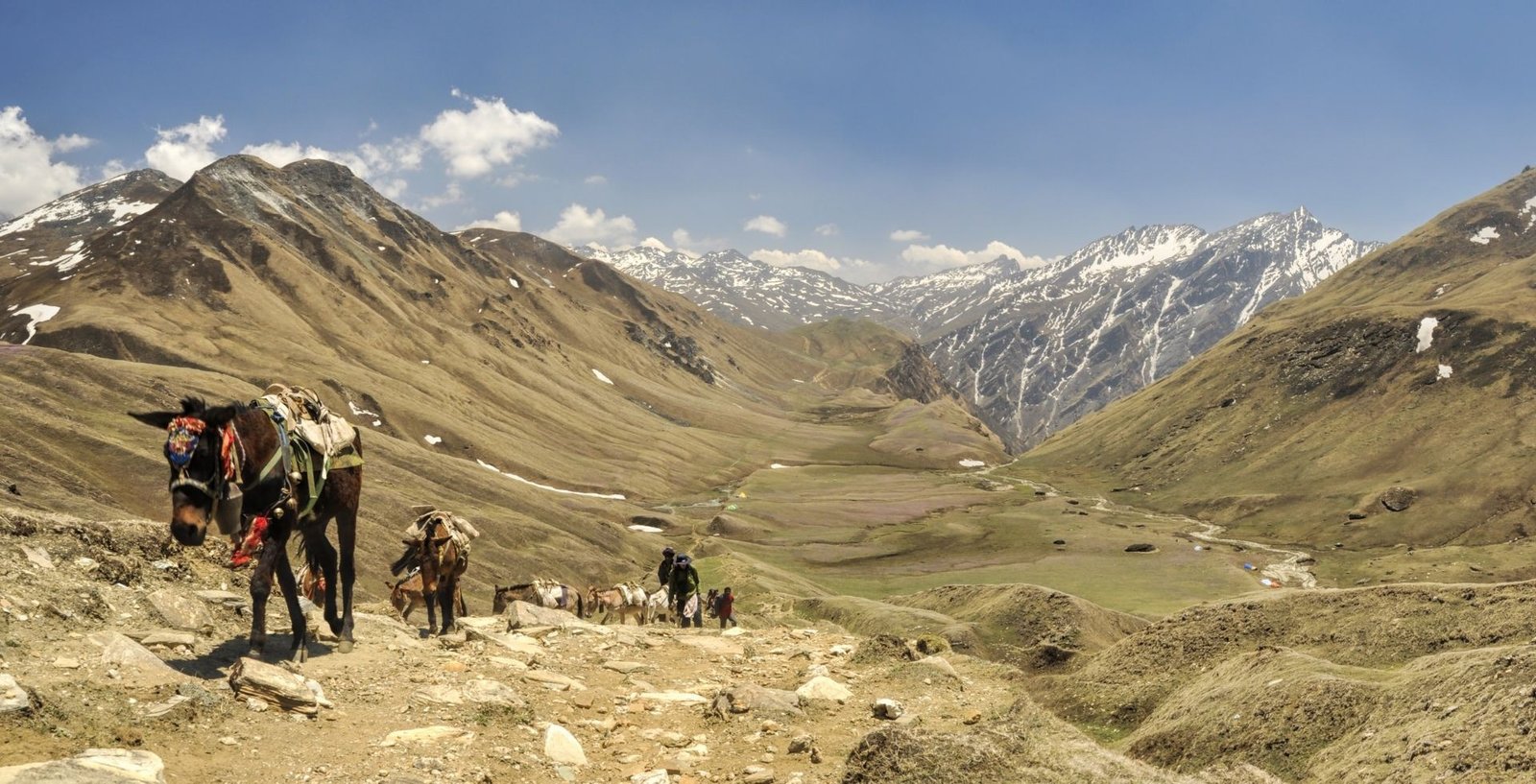
The Lower Dolpo Trek takes you into one of Nepal’s most remote Himalayan regions, where deep river valleys, high mountain passes, traditional villages and ancient Buddhist and Bon traditions shape everyday life. Located in the Dolpa District of western Nepal, Lower Dolpo lies within the rain-shadow landscape of the Dhaulagiri range. Its geography is markedly different from the greener trekking regions of central Nepal: the valleys are broad and dry, the hillsides are rugged, and the high passes open toward a vast landscape of barren mountains and distant snow-covered peaks.
The journey follows an old trail through settlements that have long been connected by trade, pastoral life and cultural exchange. Starting from Juphal, the route passes through Dunai and Tarakot before following the river valleys toward Dho Tarap. As the trail gains elevation, villages become more isolated and the landscape changes from cultivated fields and river corridors to open grazing land, rocky slopes and high-altitude terrain. Dho Tarap is one of the most distinctive settlements in the region, known for its traditional stone houses, monasteries and strong Tibetan-influenced cultural heritage.
One of the defining features of the Lower Dolpo Trek is the crossing of Numa La Pass (approximately 5,190 m) and Baga La Pass (approximately 5,070 m). These consecutive high passes make the route a demanding mountain journey, requiring good physical fitness, proper acclimatization and a steady trekking pace. From Numa La, the trail descends toward the remote camping grounds of the upper valleys before climbing again to Baga La. The views from these high points can include the Dhaulagiri range and surrounding peaks, depending on weather and visibility.
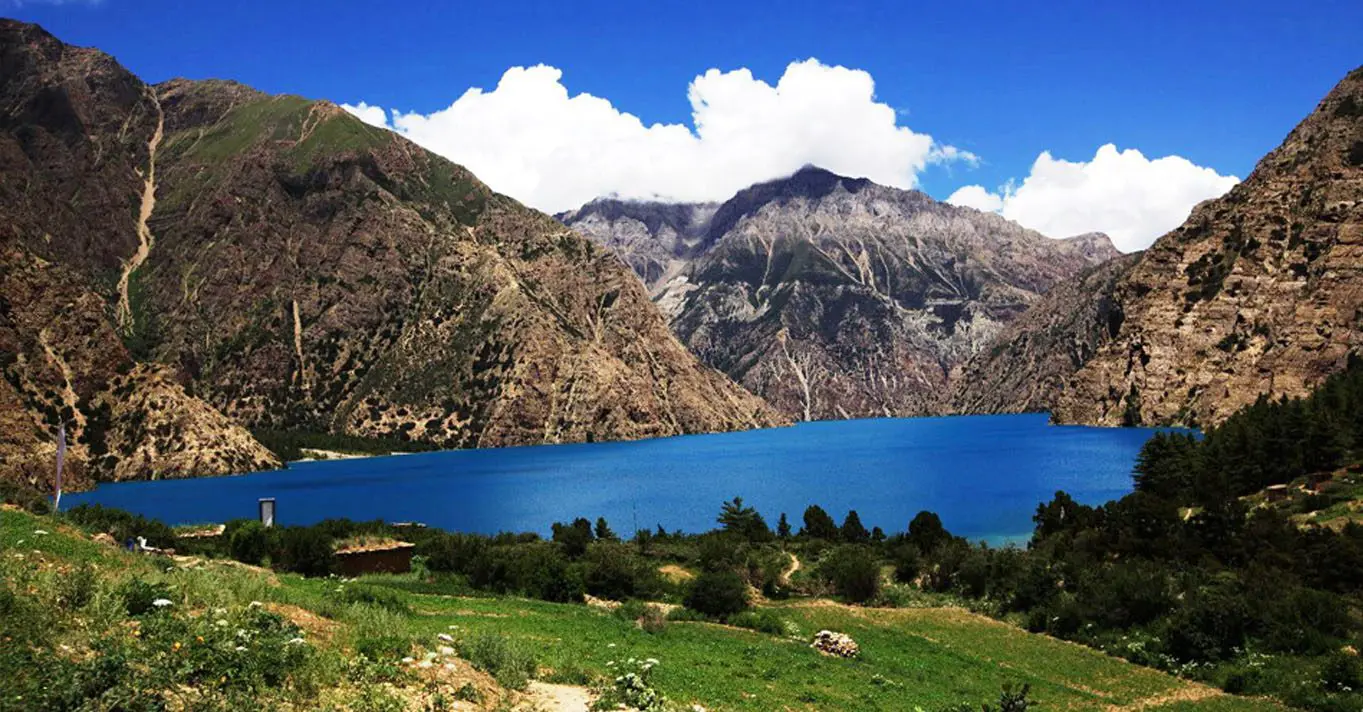
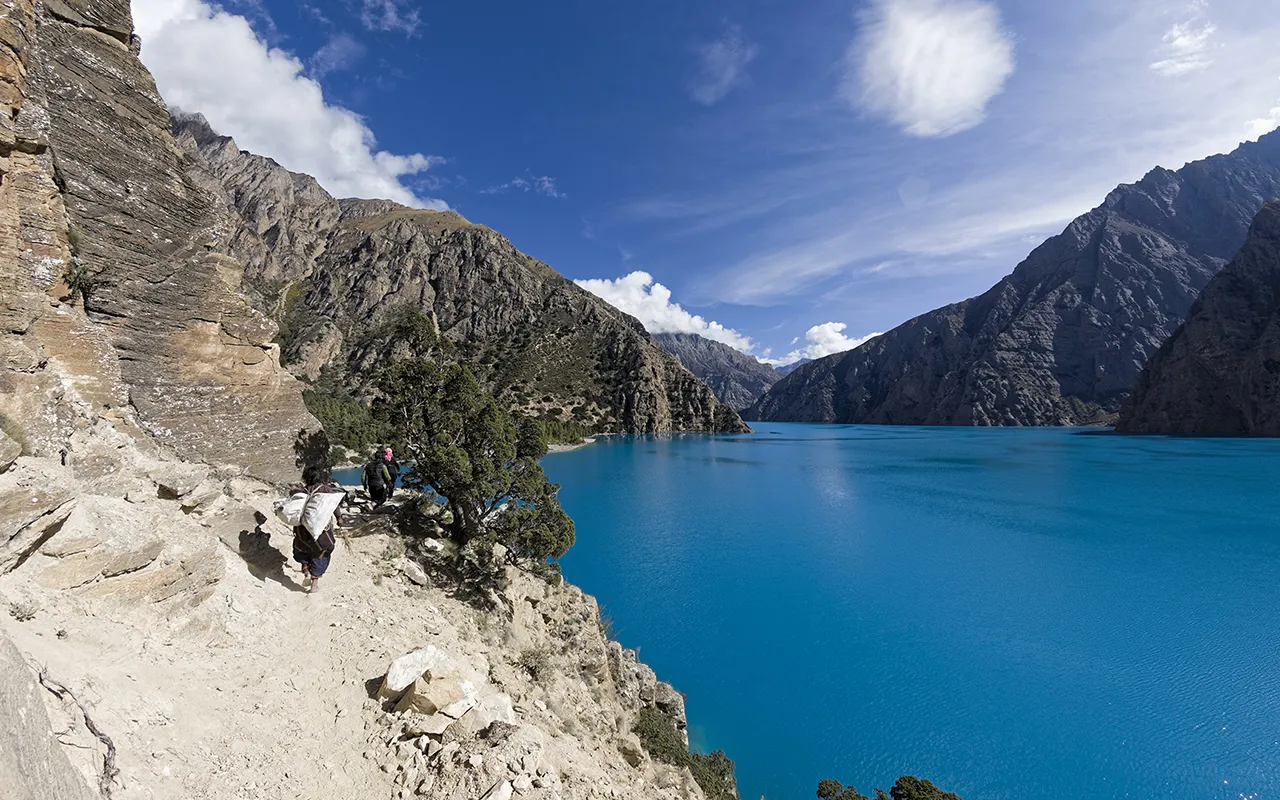
The trek also leads to Shey Phoksundo Lake, one of Nepal’s most striking high-altitude lakes. Its deep turquoise and blue-green water is framed by steep cliffs, forested slopes and the dramatic landscapes of Shey Phoksundo National Park. Nearby Ringmo Village offers another opportunity to experience the cultural character of Dolpo, with traditional houses and a strong connection to the Bon and Tibetan Buddhist traditions of the region.
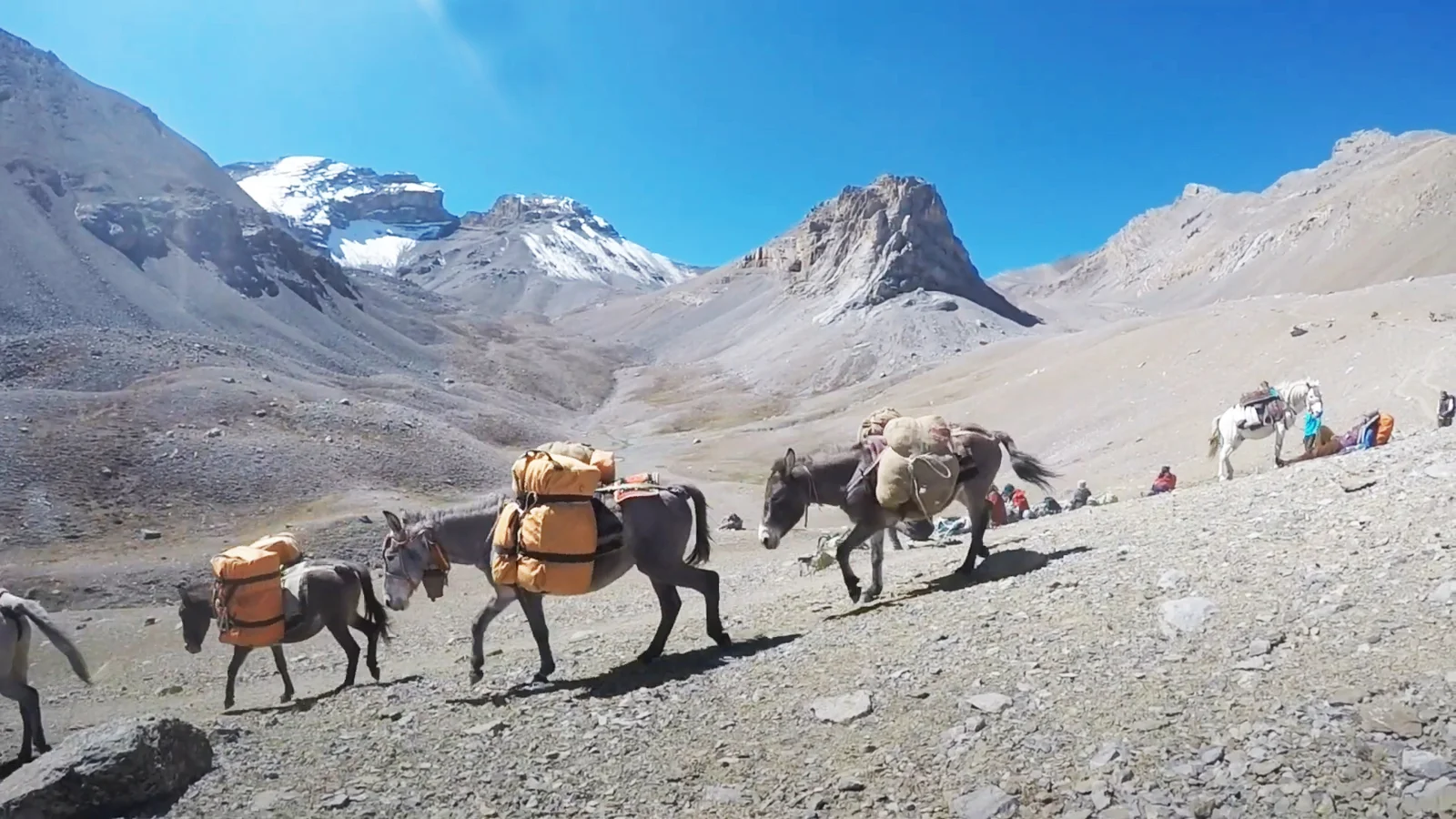
Lower Dolpo is not a conventional teahouse trek. Much of the route passes through isolated terrain where accommodation and supplies are limited, so a supported camping arrangement is commonly required. A trekking crew, kitchen team, camping equipment and careful supply planning help make the journey possible. The remoteness is part of the experience, but it also means that trekkers should be prepared for basic facilities, changing weather, limited communication and long walking days.
For travelers looking beyond Nepal’s busier trekking routes, the 19-day Lower Dolpo Trek with TrekUp Nepal offers an opportunity to explore a less-visited Himalayan landscape, cross two demanding mountain passes and discover the cultural and natural heritage of western Nepal.
Overview
The 19-day Lower Dolpo Trek is a remote camping adventure through western Nepal, reaching Dho Tarap, crossing Numa La and Baga La passes, and visiting the spectacular Shey Phoksundo Lake. With traditional Dolpo villages, high-altitude wilderness and a maximum elevation of 5,190 m, this trek is ideal for experienced trekkers seeking a challenging journey beyond Nepal’s popular trails.
Highlights
- Explore the remote Himalayan landscapes of Dolpa in western Nepal.
- Visit traditional settlements including Dunai, Tarakot, Dho Tarap and Ringmo.
- Experience the Tibetan-influenced culture and heritage of the Dolpo communities.
- Cross Numa La Pass at approximately 5,190 m, the highest point of the itinerary.
- Cross the challenging Baga La Pass at approximately 5,070 m.
- Enjoy high mountain views across the Dhaulagiri region and surrounding peaks.
- Discover the turquoise waters and dramatic scenery of Shey Phoksundo Lake.
- Explore Ringmo Village and its traditional Bon and Buddhist cultural setting.
- Walk through Shey Phoksundo National Park and its varied landscapes.
- Follow remote trails through river valleys, alpine pastures, forests and rocky mountain terrain.
- Experience a supported camping trek with a dedicated mountain crew.
- Enjoy a quieter trekking experience away from Nepal's busiest Himalayan routes.
Lower Dolpo Trek Overview
The Lower Dolpo Trek in Nepal is a demanding Himalayan journey designed for trekkers who want to explore a remote region beyond the country’s well-known trekking corridors. The route travels from Juphal into the upper valleys of Dolpa, reaching the traditional settlement of Dho Tarap before crossing two major mountain passes and descending toward Shey Phoksundo Lake.
The trek’s defining challenge is the consecutive crossing of Numa La Pass (5,190 m) and Baga La Pass (5,070 m). These high points take you through exposed mountain terrain and offer wide views of the surrounding Himalayan landscape. The route then descends to Ringmo, where the turquoise waters of Phoksundo Lake provide a striking contrast to the dry valleys and rugged slopes encountered earlier.
Across 19 days, the itinerary combines remote village life, Tibetan-influenced culture, high-altitude walking, camping and the natural scenery of Shey Phoksundo National Park. With a maximum altitude of 5,190 m, the Lower Dolpo Trek is best suited to fit and experienced trekkers who are comfortable with basic facilities and a challenging mountain environment.
What Can You Expect from the Lower Dolpo Trek?
- A remote trekking journey through Dolpa in western Nepal, far from the busy trails of the Everest and Annapurna regions.
- A flight into Juphal, the gateway to the Lower Dolpo trekking route, followed by days of walking through isolated mountain valleys.
- Traditional settlements such as Dunai, Tarakot and Dho Tarap, where stone houses, local agriculture and mountain lifestyles remain central to daily life.
- An opportunity to learn about the Tibetan Buddhist and Bon traditions that influence the culture and architecture of the Dolpo region.
- A gradual climb from lower river valleys toward high-altitude settlements and camps above 4,000 m.
- An acclimatization day at Dho Tarap before attempting the two major mountain passes.
- The demanding ascent to Numa La Pass at 5,190 m, the highest point of the itinerary.
- A second major crossing over Baga La Pass at approximately 5,070 m.
- Wide mountain scenery from the high passes, with views toward the Dhaulagiri region when weather conditions are clear.
- Remote camping locations where the trekking crew prepares meals and manages camp logistics.
- A visit to Shey Phoksundo Lake, known for its vivid turquoise water and dramatic mountain setting.
- Time to explore Ringmo Village and the cultural landscape around the lake.
- A descent through the Phoksundo valley, with changing scenery from high alpine terrain to forested river corridors.
- A quieter and more isolated trekking experience with limited crowds and fewer modern facilities.
- A challenging route that rewards preparation, patience and a genuine interest in remote Himalayan travel.
Benefits of Booking the Lower Dolpo Trek with TrekUp Nepal
- Receive a carefully planned 19-day itinerary that connects Juphal, Dho Tarap, Numa La, Baga La and Shey Phoksundo Lake.
- Travel with a local Nepal-based team familiar with the geography, trekking logistics and conditions of western Nepal.
- Get assistance with the required restricted-area and national park permits before entering the trekking region.
- Have domestic flight arrangements coordinated between Kathmandu, Nepalgunj and Juphal.
- Trek with a licensed guide who can support route decisions, daily pacing and high-altitude awareness.
- Benefit from an organized camping team to manage tents, meals, camp setup and remote-area logistics.
- Follow an itinerary that includes acclimatization time before the two high-pass crossings.
- Receive guidance on clothing, sleeping equipment and personal preparation before departure.
- Choose a private departure or enquire about joining a group, depending on availability.
- Get support with pre-trek briefings, packing guidance and final equipment checks.
- Have a contingency day included to provide flexibility for flight delays and operational changes.
- Receive assistance with itinerary adjustments when weather, flight schedules or trail conditions require changes.
- Benefit from a clear breakdown of package inclusions and exclusions before confirming your booking.
- Travel with a team that prioritizes responsible trekking, local respect and safety-focused decisions.
Itinerary
The 19-day route begins with flights from Kathmandu to Nepalgunj and Juphal before following the remote valleys toward Dho Tarap. After an acclimatization day, the trail crosses Numa La and Baga La before descending to Shey Phoksundo Lake and Ringmo Village. The return journey follows the Phoksundo valley to Juphal, with a buffer day included for flight delays.
Arrive at Tribhuvan International Airport in Kathmandu, where a TrekUp Nepal representative will welcome you and transfer you to your hotel. After check-in, you can rest or explore the nearby streets depending on your arrival time. In the evening, meet your trekking guide for an introduction to the Lower Dolpo route, including the flight arrangements, camping support, high-altitude sections and preparation required for the journey. Your team will also review your trekking equipment and explain the arrangements for the remote sections of the trek.
Maximum Altitude: Approximately 1,400 m
Overnight Altitude: Approximately 1,400 m
Accommodation: Hotel in Kathmandu
Meals: Welcome meal or as specified in the package
After breakfast, transfer to the domestic airport for your flight to Nepalgunj in western Nepal. The flight takes you away from the Kathmandu Valley toward the warmer lowlands of the Terai. Nepalgunj is an important transport hub for journeys into the remote districts of western Nepal. After arrival, transfer to your hotel and use the remaining time to rest and prepare for the flight to Juphal. Your guide will make a final check of the trekking arrangements and equipment before the journey continues into Dolpa.
Flight: Kathmandu to Nepalgunj
Flight Duration: Approximately 45–55 minutes
Maximum Altitude: Approximately 1,500 m
Overnight Altitude: Approximately 150 m
Accommodation: Hotel in Nepalgunj
Meals: Breakfast, Lunch and Dinner
Take an early flight from Nepalgunj to Juphal, the main air gateway for the Lower Dolpo trekking route. The short mountain flight offers views of the changing landscape as you approach the hills of Dolpa. After landing at Juphal, meet the local trekking crew and begin walking toward Dunai. The trail descends through settlements and cultivated land before reaching the Bheri River valley. Dunai is the administrative center of Dolpa and an important starting point for the remote trekking route. Use the afternoon to settle into camp and prepare for the first full day of walking.
Flight: Nepalgunj to Juphal
Trek: Juphal to Dunai
Walking Duration: Approximately 3–4 hours
Maximum Altitude: Approximately 2,475 m at Juphal
Overnight Altitude: Approximately 2,140 m
Accommodation: Camping
Meals: Breakfast, Lunch and Dinner
Leave Dunai and follow the Bheri River valley toward Tarakot. The trail passes through small settlements, cultivated fields and sections of dry hillside, with the river remaining a prominent feature of the journey. You will cross suspension bridges and follow paths that have traditionally connected the villages of the region. As you approach Tarakot, the valley becomes narrower and the landscape increasingly rugged. Tarakot is a historic settlement associated with the old trade routes of Dolpo and provides an introduction to the traditional architecture and rural life of the area.
Trek: Dunai to Tarakot
Walking Duration: Approximately 5–6 hours
Maximum Altitude: Approximately 2,540 m
Overnight Altitude: Approximately 2,540 m
Accommodation: Camping
Meals: Breakfast, Lunch and Dinner
Continue along the river valley, following a trail that gradually moves deeper into the remote landscape of Lower Dolpo. The route passes through rocky terrain, narrow sections of the valley and scattered settlements before reaching Laini Odar. The walking becomes more demanding as the trail gains elevation, and the surrounding vegetation begins to change. The campsite is located in a quiet area beneath the rugged hills, providing a peaceful stop before the route climbs farther toward the upper Tarap Valley.
Trek: Tarakot to Laini Odar
Walking Duration: Approximately 6–7 hours
Maximum Altitude: Approximately 3,160 m
Overnight Altitude: Approximately 3,160 m
Accommodation: Camping
Meals: Breakfast, Lunch and Dinner
Today's trail continues upstream through the increasingly narrow Tarap Valley. You will pass rocky slopes, river crossings and sections of trail carved into the mountainside. The landscape becomes more open as you gain elevation, with fewer settlements and more evidence of the region's high-altitude pastoral lifestyle. Continue toward Nawarpani, a remote camping location surrounded by dry hills and rugged mountain scenery. The gradual increase in altitude makes it important to maintain a comfortable pace and drink enough water throughout the day.
Trek: Laini Odar to Nawarpani
Walking Duration: Approximately 5–6 hours
Maximum Altitude: Approximately 3,545 m
Overnight Altitude: Approximately 3,545 m
Accommodation: Camping
Meals: Breakfast, Lunch and Dinner
Continue toward Dho Tarap, one of the most culturally significant settlements in Lower Dolpo. The trail follows the upper valley through open landscapes, yak-grazing areas and scattered traditional settlements. As you approach Dho Tarap, the valley widens and reveals a distinctive high-altitude environment shaped by centuries of pastoral life and trade. The village is known for its stone houses, traditional fields and monasteries reflecting the region's Tibetan Buddhist and Bon heritage. After reaching camp, take time to rest and explore the surroundings if your condition and the guide's assessment allow.
Trek: Nawarpani to Dho Tarap
Walking Duration: Approximately 6–7 hours
Maximum Altitude: Approximately 4,090 m
Overnight Altitude: Approximately 4,090 m
Accommodation: Camping
Meals: Breakfast, Lunch and Dinner
Spend an additional day in Dho Tarap to help your body adjust before crossing the high passes. Rather than making a strenuous ascent, the day can include a gentle walk around the village and nearby cultural sites. You may visit local monasteries, observe traditional village life and learn more about the Bon and Buddhist traditions that remain important to the Dolpo communities. The surrounding landscape also offers opportunities for short acclimatization walks, depending on your condition and the guide's recommendation. This rest day is particularly important before the demanding crossing of Numa La and Baga La.
Hiking: Optional gentle acclimatization walk
Maximum Altitude: Approximately 4,200 m, depending on the walk
Overnight Altitude: Approximately 4,090 m
Accommodation: Camping
Meals: Breakfast, Lunch and Dinner
Leave Dho Tarap and follow the trail toward Numa La Base Camp. The route climbs gradually through open grazing land and high-altitude terrain, with views of the surrounding mountain slopes becoming increasingly expansive. You may encounter yak pastures and small seasonal shelters along the way. As you approach the base camp, the landscape becomes more exposed and the effects of altitude more noticeable. Arrive at camp beneath Numa La and use the remaining time to rest, hydrate and prepare for the following day's high-pass crossing.
Trek: Dho Tarap to Numa La Base Camp
Walking Duration: Approximately 5–6 hours
Maximum Altitude: Approximately 4,440 m
Overnight Altitude: Approximately 4,440 m
Accommodation: Camping
Meals: Breakfast, Lunch and Dinner
Today is one of the most demanding days of the Lower Dolpo Trek. Start early and climb toward Numa La Pass at approximately 5,190 m, the highest point of this itinerary. The ascent is steep in places, and the thin air makes a slow, steady pace essential. From the pass, the surrounding high mountain landscape opens up, with possible views toward the Dhaulagiri range and other snow-covered peaks in clear weather. After taking a short break at the pass, descend carefully along the mountain trail toward Pelung Tang. The descent can be long and tiring, so follow your guide's instructions and take care on loose or uneven ground.
Trek: Numa La Base Camp to Pelung Tang via Numa La Pass
Walking Duration: Approximately 6–7 hours
Maximum Altitude: 5,190 m at Numa La Pass
Overnight Altitude: Approximately 4,465 m
Accommodation: Camping
Meals: Breakfast, Lunch and Dinner
Another challenging mountain crossing awaits as you leave Pelung Tang and climb toward Baga La Pass at approximately 5,070 m. The ascent passes through rugged high-altitude terrain, where weather and trail conditions can change quickly. From the top, enjoy the mountain scenery before beginning the descent toward Dajok Tang. The route gradually moves into a lower valley, with the landscape changing from exposed rocky slopes to more sheltered terrain. This is another long day at altitude, so maintaining a steady pace and following the guide's advice are important.
Trek: Pelung Tang to Dajok Tang via Baga La Pass
Walking Duration: Approximately 6–7 hours
Maximum Altitude: Approximately 5,070 m at Baga La Pass
Overnight Altitude: Approximately 4,080 m
Accommodation: Camping
Meals: Breakfast, Lunch and Dinner
Descend from Dajok Tang toward Ringmo, the traditional village beside Shey Phoksundo Lake. The trail gradually moves through more sheltered terrain, with forests and changing vegetation appearing as you lose altitude. After the demanding days over Numa La and Baga La, this descent offers a welcome change in the landscape. On reaching Ringmo, you will be close to the spectacular turquoise waters of Phoksundo Lake, surrounded by steep cliffs and mountain scenery. Settle into camp or the available local accommodation and enjoy the peaceful atmosphere of the lakeside settlement.
Trek: Dajok Tang to Ringmo
Walking Duration: Approximately 3–5 hours
Maximum Altitude: Approximately 4,080 m at the starting point
Overnight Altitude: Approximately 3,600 m
Accommodation: Camping or available local lodge, according to the confirmed package
Meals: Breakfast, Lunch and Dinner
Spend the day exploring the area around Shey Phoksundo Lake. The lake is known for its striking blue and turquoise water, dramatic cliffs and distinctive high-altitude setting. You can walk around suitable sections of the lakeshore, enjoy views of the surrounding mountains and visit Ringmo Village to observe its traditional architecture and cultural atmosphere. The area is also known for its Bon heritage and its connection to the wider cultural landscape of Dolpo. Follow local guidance and park regulations, particularly around religious sites and environmentally sensitive areas. This is a valuable rest day after crossing the two high passes.
Hiking: Optional exploration around the lake and village
Maximum Altitude: Approximately 3,700 m, depending on the exploration route
Overnight Altitude: Approximately 3,600 m
Accommodation: Camping or available local lodge, according to the confirmed package
Meals: Breakfast, Lunch and Dinner
Leave Ringmo and begin the descent through the Phoksundo Khola valley. The trail follows the river through a dramatic gorge, passing forested sections, rocky slopes and changing vegetation. This section offers a different experience from the open high-altitude valleys crossed earlier in the trek. The descent can include uneven and narrow sections, so take care and follow the guide's instructions. Continue toward Chhepka, a settlement along the lower trail where the team will establish camp for the night.
Trek: Ringmo to Chhepka
Walking Duration: Approximately 6–7 hours
Maximum Altitude: Approximately 3,600 m at Ringmo
Overnight Altitude: Approximately 2,670 m
Accommodation: Camping
Meals: Breakfast, Lunch and Dinner
Continue through the lower Phoksundo valley toward Juphal. The trail follows a mixture of forest paths, river sections and small settlements before gradually reaching the more developed area around the airstrip. This is the final full trekking day of the journey. On arrival in Juphal, celebrate the completion of the Lower Dolpo circuit with your guide and trekking crew. Use the evening to organize your luggage and prepare for the return flight, which remains dependent on local weather and flight operations.
Trek: Chhepka to Juphal
Walking Duration: Approximately 5–6 hours
Maximum Altitude: Approximately 2,670 m at Chhepka
Overnight Altitude: Approximately 2,475 m
Accommodation: Camping or local lodge, according to the confirmed package
Meals: Breakfast, Lunch and Dinner
After breakfast, transfer to Juphal Airport for the return flight to Nepalgunj. The flight offers another view of the remote hills and valleys of western Nepal. On arrival in Nepalgunj, transfer to your hotel and enjoy time to rest after completing the trek. Flights from Juphal are highly dependent on weather and operational conditions, so the schedule may change. Your TrekUp Nepal team will coordinate the arrangements and advise you if any adjustments are necessary.
Flight: Juphal to Nepalgunj
Flight Duration: Approximately 35–45 minutes
Maximum Altitude: Approximately 2,475 m at Juphal
Overnight Altitude: Approximately 150 m
Accommodation: Hotel in Nepalgunj
Meals: Breakfast, Lunch and Dinner
Take a domestic flight from Nepalgunj to Kathmandu. After arrival, transfer to your hotel and enjoy the rest of the day at leisure. This is an opportunity to relax after the remote camping trek, organize your photographs and enjoy the facilities of the city. If the flights operate as scheduled, you will have time to explore Kathmandu or enjoy a farewell meal with your trekking team.
Flight: Nepalgunj to Kathmandu
Flight Duration: Approximately 45–55 minutes
Maximum Altitude: Approximately 1,500 m
Overnight Altitude: Approximately 1,400 m
Accommodation: Hotel in Kathmandu
Meals: Breakfast
This day is reserved as a buffer for possible flight delays or operational changes affecting the Juphal–Nepalgunj and Nepalgunj–Kathmandu flights. Flights in western Nepal can be disrupted by weather, visibility and other operational factors. If all travel arrangements have operated as planned, you can use the day to explore Kathmandu, visit cultural landmarks or enjoy additional time in the city. Keeping a buffer day is strongly recommended for a remote trek with multiple domestic flight connections.
Activity: Contingency day or optional Kathmandu exploration
Overnight Altitude: Approximately 1,400 m
Accommodation: Hotel in Kathmandu
Meals: Breakfast
Your Lower Dolpo adventure concludes today. Depending on your international flight schedule, a TrekUp Nepal representative will transfer you to Tribhuvan International Airport for your departure. We hope you leave Nepal with lasting memories of Dolpo's remote valleys, traditional settlements, high mountain passes and the extraordinary beauty of Shey Phoksundo Lake.
Activity: Airport transfer and international departure
Meals: Breakfast
Includes/Excludes
Cost Includes
- Airport pickup and drop-off in Kathmandu.
- Domestic flight tickets between Kathmandu and Nepalgunj.
- Domestic flight tickets between Nepalgunj and Juphal, according to the itinerary.
- Hotel accommodation in Kathmandu and Nepalgunj as specified in the package.
- Camping accommodation during the remote trekking section.
- Breakfast in Kathmandu and Nepalgunj as specified in the package.
- Three meals a day during the trekking and camping section.
- Licensed English-speaking trekking guide.
- Required trekking crew, including kitchen staff and camping support.
- Porter and/or pack-animal support for group luggage and supplies, according to the confirmed arrangement.
- Camping tents, dining tent, kitchen tent and necessary group camping equipment.
- Lower Dolpo Restricted Area Permit.
- Shey Phoksundo National Park entry permit.
- Necessary local trekking arrangements and applicable government taxes.
- First-aid kit carried by the trekking team.
- Trekking and camping logistics throughout the itinerary.
- Airport transfers and ground transportation specified in the itinerary.
Cost Excludes
- International airfare to and from Nepal.
- Nepal entry visa fees.
- Personal travel insurance and emergency evacuation coverage.
- Personal trekking clothing and equipment.
- Personal sleeping bag and sleeping mat unless specifically included.
- Lunch and dinner in Kathmandu and Nepalgunj unless stated otherwise.
- Extra hotel nights caused by early arrival, late departure or flight disruption.
- Additional accommodation and meals caused by delays beyond the planned itinerary.
- Personal snacks, chocolate, soft drinks and alcoholic beverages.
- Bottled water, boiled water and personal drinks unless specified.
- Hot showers, charging fees and communication expenses where available.
- Personal medication and additional medical supplies.
- Tips for guides, porters and trekking crew.
- Personal expenses and souvenirs.
- Helicopter rescue or evacuation costs.
- Any service not specifically listed under the inclusions.
Add-Ons and Options
- Private Kathmandu Airport Transfers: Arrange dedicated airport pickup and drop-off for a more convenient arrival and departure.
- Extra Kathmandu Hotel Nights: Extend your stay before or after the trek if your international flight schedule requires additional time.
- Single Room Supplement: Request a private hotel room in Kathmandu and Nepalgunj instead of sharing.
- Additional Acclimatization Day: Add an extra day in the trekking region if your schedule and route logistics allow.
- Personal Porter: Request additional porter support for your personal trekking luggage, subject to the weight and crew arrangements.
- Personal Trekking Equipment Rental: Arrange selected equipment such as a sleeping bag, down jacket or trekking poles before departure.
- Private Trek Arrangement: Choose a private departure with a customized schedule and dedicated group arrangements.
- Additional Contingency Day: Add another buffer day if you have a tight international flight connection or want extra flexibility.
- Kathmandu Sightseeing: Add a guided cultural tour of Kathmandu Valley before or after the trek.
- Private Ground Transportation: Arrange private transfers for airport journeys or other ground travel in Nepal.
How to Personalize Your Lower Dolpo Trek
- Select your preferred departure date.
- Choose the number of travelers in your group.
- Select Book Now or Add to Cart on the TrekUp Nepal trip page.
- Choose any additional services available for your departure.
- Review the package details, inclusions and final price.
- Complete the booking process and coordinate your trip preparations with TrekUp Nepal.
Best Time to Do the Lower Dolpo Trek
Lower Dolpo lies in the rain-shadow region of the Himalayas, so its weather pattern differs from many other trekking areas in Nepal. The most suitable season depends on the condition of the high passes, visibility, temperature and domestic flight operations.
Spring – April to May
Spring is a favorable period for the Lower Dolpo Trek. Temperatures begin to rise after winter, and the high-altitude trails gradually become more accessible. Snow may still remain around Numa La and Baga La, particularly early in the season, so pass conditions should be checked before departure.
Recommended for: Trekkers seeking a spring departure with improving temperatures and high mountain scenery.
Autumn – September to October
Autumn is another favorable period for Lower Dolpo. The weather is often clearer after the monsoon, and visibility across the mountain landscape can be excellent. Temperatures become colder as the season progresses, especially during early mornings and nights at higher camps.
Recommended for: Trekkers seeking clear mountain views and generally favorable trekking conditions.
Summer and Monsoon – June to August
Lower Dolpo’s rain-shadow location makes it a possible trekking destination during Nepal’s monsoon months. While many parts of Nepal receive heavy rainfall, Dolpo is generally drier than the southern Himalayan slopes. However, flight access to Juphal can still be affected by weather, and conditions vary across the route.
Recommended for: Trekkers considering a summer departure who can allow flexibility for flight and trail conditions.
What Our Travelers Say
Read reviews from travelers who have joined our Himalayan trips. See what they enjoyed and what they thought about their experience.
Frequently Asked Questions
Faq's
The Lower Dolpo Trek is a strenuous and remote high-altitude camping trek. It involves long walking days, basic facilities, isolated trails and two major pass crossings above 5,000 m. Previous high-altitude trekking experience and good physical preparation are strongly recommended.
The highest point of this itinerary is Numa La Pass at approximately 5,190 m. The route also crosses Baga La Pass at approximately 5,070 m.
This TrekUp Nepal itinerary takes 19 days, including arrival and departure, domestic flights, trekking, acclimatization, exploration around Shey Phoksundo Lake and a contingency day.
The trekking section starts at Juphal, reached by domestic flight from Nepalgunj. The journey from Kathmandu generally includes a flight to Nepalgunj followed by a connecting flight to Juphal.
Yes. Much of the route passes through remote areas with limited accommodation. A supported camping arrangement with tents, a kitchen crew and trekking staff is commonly used. The exact accommodation plan should be confirmed before booking.
Previous trekking experience is strongly recommended, particularly experience at high altitude. The route includes consecutive days above 4,000 m and crossings of two passes above 5,000 m.
Numa La and Baga La are two high mountain passes on the Lower Dolpo route. Numa La reaches approximately 5,190 m, while Baga La is approximately 5,070 m. Both involve demanding ascents and descents in exposed mountain terrain.
Yes. This itinerary visits Shey Phoksundo Lake and Ringmo Village after crossing Numa La and Baga La. Time is included to explore the lakeside surroundings.
Trekkers need the applicable Lower Dolpo Restricted Area Permit and Shey Phoksundo National Park entry permit. Permits are arranged through the required registered trekking agency and should be confirmed using the current government fee schedule before departure.
The restricted-area route has permit and guide requirements. Trekkers should arrange the journey through an authorized trekking agency and travel with the required licensed guide and documentation.
The main trekking periods are generally spring and autumn. The region's rain-shadow location also makes it possible to consider some summer departures, but weather, trail and flight conditions should be checked carefully.
It is not recommended as a first trekking experience. The high passes, remote camping conditions and limited access to services make the route more suitable for fit trekkers with previous mountain experience.
Most trekking days involve approximately 5–7 hours of walking. The days crossing Numa La and Baga La are particularly demanding, and actual walking times depend on weather, trail conditions, altitude and group pace.
The remote trekking section is generally supported by camping, including sleeping tents and a dining tent. Hotel accommodation is used in Kathmandu and Nepalgunj. Local lodge availability around Ringmo may vary and should be confirmed in the final package.
The camping crew prepares breakfast, lunch and dinner during the trekking section. Meals generally include a mixture of Nepali, Tibetan-style and simple international dishes, depending on available supplies.
Yes. The route reaches 5,190 m, so altitude sickness is a serious consideration. The itinerary includes an acclimatization day at Dho Tarap, but this does not eliminate the risk. Trekkers should report symptoms to their guide immediately and follow medical advice.
Comprehensive travel insurance covering high-altitude trekking and emergency helicopter evacuation is strongly recommended. Confirm that your policy covers the maximum altitude and activities included in the itinerary.
Facilities are very limited once you leave the main settlements. Do not rely on ATMs, continuous mobile coverage or regular internet access. Carry sufficient Nepalese cash for personal expenses and prepare for periods without communication.
Yes. The itinerary can be discussed according to your available time, group size, preferred travel dates and logistical requirements. Any changes should preserve adequate acclimatization and a realistic contingency plan.
Flights to Juphal are weather-dependent and may be delayed or cancelled. The itinerary includes a buffer day, but additional delays are possible. Keeping extra time after the trek is advisable, particularly if you have an international flight to catch.