The Mustang Tiji Festival Trek is a special cultural journey into the former Kingdom of Lo in Nepal’s Upper Mustang, planned around one of the region’s most important annual Buddhist celebrations. Combining a high-altitude trek through remote Himalayan villages with the three-day Tiji Festival in Lo Manthang, this journey offers an opportunity to experience Mustang’s distinctive landscapes, living traditions and centuries-old religious heritage.
Upper Mustang lies in the rain shadow of the Annapurna and Dhaulagiri ranges. Its landscape is very different from Nepal’s greener trekking regions, with dry plateaus, deep river valleys, wind-carved cliffs and striking red, ochre and grey rock formations. The route follows the historic Kali Gandaki corridor north from Jomsom, passing through settlements such as Kagbeni, Chele, Ghami and Charang before reaching Lo Manthang, the historic walled capital of the Kingdom of Lo.
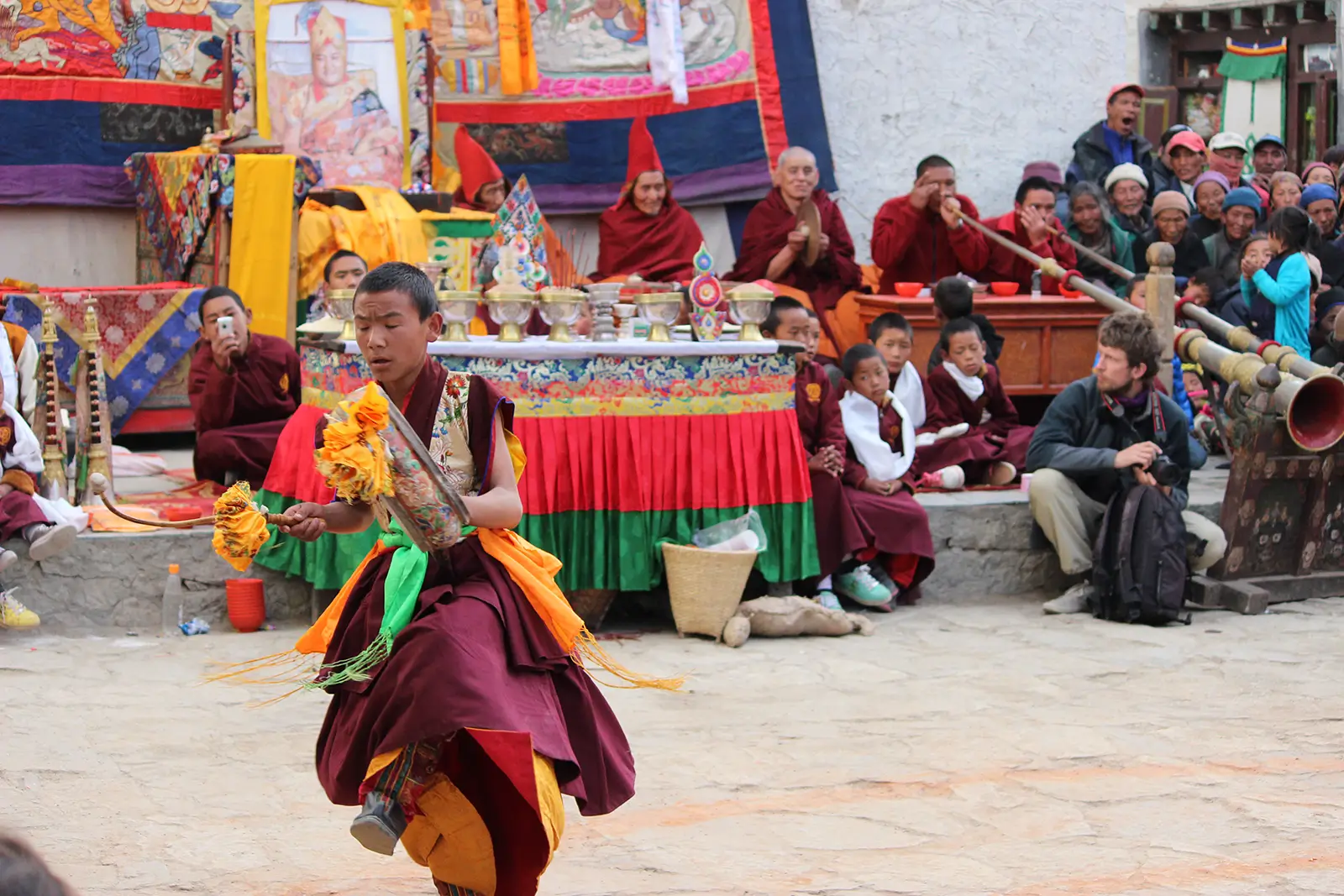
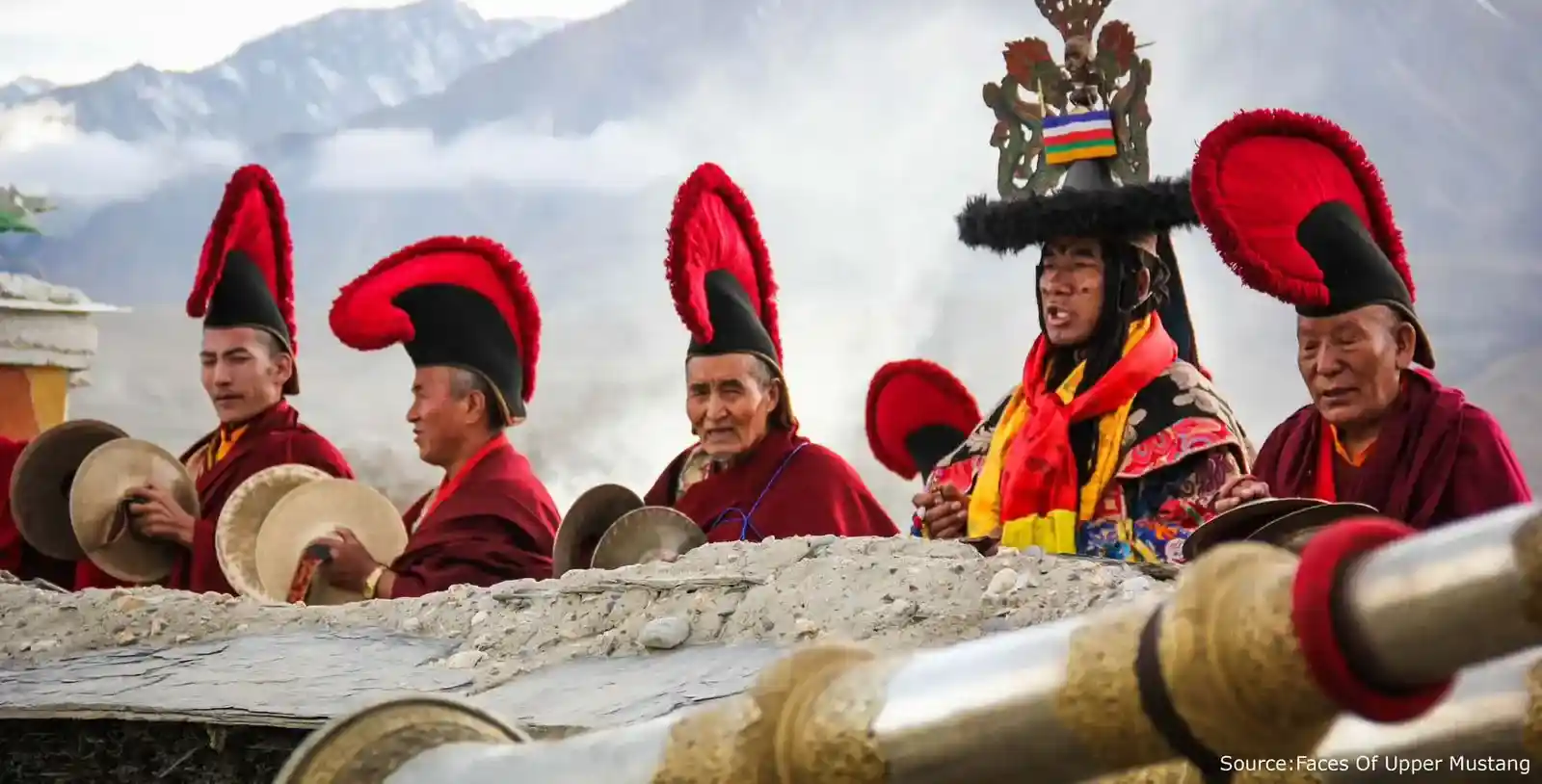
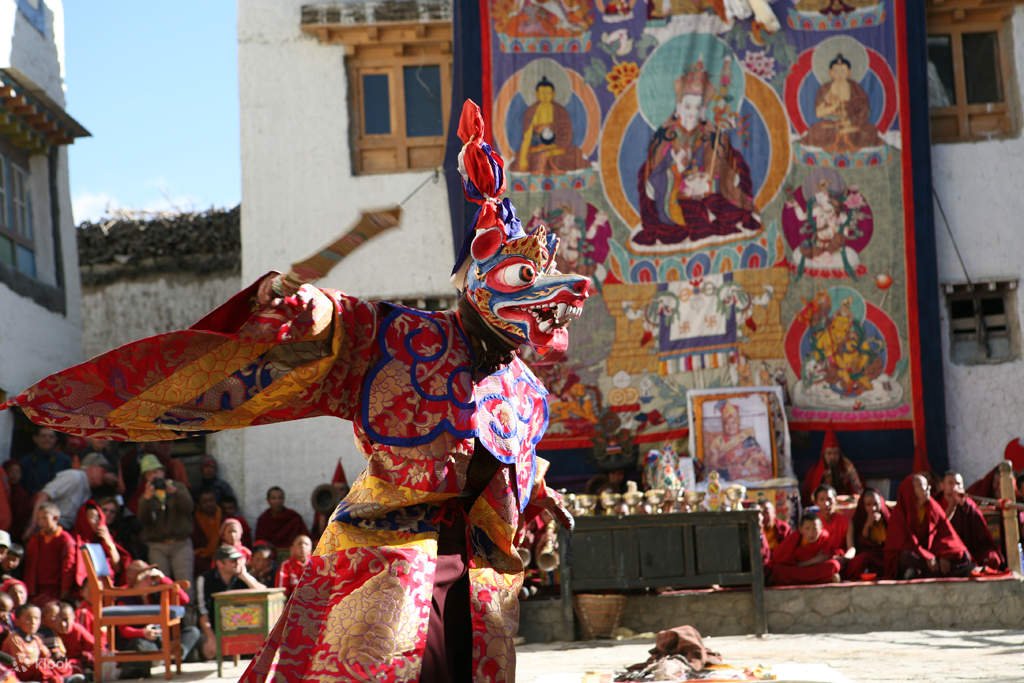
The main reason for planning this journey around the festival is the opportunity to witness Tiji, also known locally as Tenchi. This three-day religious celebration is rooted in Tibetan Buddhist tradition and is associated with the story of Dorje Jono, who defeats destructive forces threatening the land. The ceremonies feature sacred masked dances known as Cham, performed by monks in traditional costumes to the sound of drums, horns and cymbals. The performances represent a spiritual struggle against negativity and the restoration of peace and harmony.
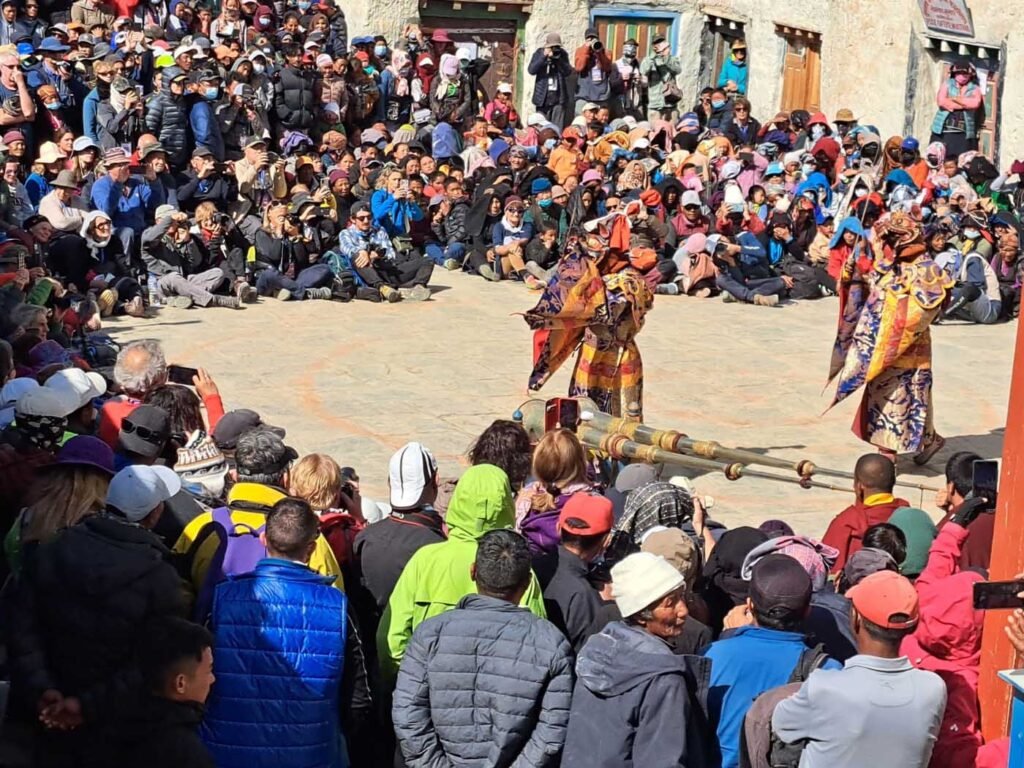
Tiji is not simply a cultural performance arranged for visitors. It is a meaningful religious observance for the people of Lo Manthang, prepared for through monastic prayers and rituals. The festival takes place in the historic settlement, where residents, monks and visitors gather to witness the ceremonies. Attending the celebration provides a rare opportunity to observe a living tradition that remains closely connected to the identity and spiritual life of Upper Mustang.
Beyond the festival, the trek introduces you to the architectural and cultural heritage of the former kingdom. Lo Manthang is known for its traditional mud-brick buildings, narrow lanes, royal palace and ancient monasteries. Nearby, the Chhoser Valley contains remarkable cave complexes, including Jhong Cave, with rooms and passages carved into the cliffs. Other villages along the route preserve traditional houses, Buddhist monuments, agricultural terraces and local customs shaped by the region’s historical connection with Tibet.
The journey also offers a rewarding trekking experience. The trail crosses high mountain passes, follows remote valleys and passes through settlements surrounded by dramatic rock formations. The return route through Ghami, Ghiling and Chhusang provides a different perspective of the Mustang landscape, while the highest point of this itinerary reaches approximately 4,230 meters at Morang La Pass.
The 19-Day Mustang Tiji Festival Trek with TrekUp Nepal is designed for travelers who want more than a standard Upper Mustang visit. It combines the region’s most significant annual festival with traditional village trekking, historic monasteries, high-altitude scenery and time to explore Lo Manthang at a comfortable pace.
Trip Info
-
Hotels, Teahouses and Lodges during Trek
-
Kathmandu
-
Kathmandu
-
May–June, according to the Tibetan lunar calendar
-
13,878 ft
-
Breakfast, Lunch and Dinner during Trek
-
Available
-
Available
Overview
Experience the Mustang Tiji Festival Trek with TrekUp Nepal, a 19-day cultural and trekking adventure through the former Kingdom of Lo. Discover ancient villages, explore Lo Manthang and Chhoser, and witness three days of sacred masked dances and Buddhist ceremonies in the heart of Upper Mustang.
Highlights
- Attend all three days of the traditional Tiji Festival in Lo Manthang.
- Witness sacred Cham masked dances performed by monks of the local Buddhist tradition.
- Explore the historic walled city of Lo Manthang, the former capital of the Kingdom of Lo.
- Discover the traditional villages of Kagbeni, Chele, Samar, Syangboche, Ghami, Charang and Ghiling.
- Experience the Tibetan-influenced culture, architecture and religious heritage of Upper Mustang.
- Visit ancient monasteries and religious sites around Lo Manthang.
- Explore the Chhoser Valley and its remarkable cliffside cave complexes.
- Follow the historic Kali Gandaki corridor into the restricted Upper Mustang region.
- Cross high mountain terrain, including Morang La Pass at approximately 4,230 m.
- Enjoy dramatic views of Mustang’s red cliffs, dry plateaus and eroded valleys.
- Experience local hospitality and traditional village life in remote Himalayan settlements.
- Visit traditional mani walls, chortens, prayer structures and Buddhist monuments.
- Enjoy a scenic flight between Pokhara and Jomsom, subject to weather and flight operations.
- Discover the cultural history of the former Kingdom of Lo and its connections with Tibet.
- Trek through one of Nepal’s most distinctive rain-shadow landscapes.
Mustang Tiji Festival Trek Overview
The Mustang Tiji Festival Trek in Nepal is a rare opportunity to combine a Himalayan trekking adventure with one of Upper Mustang’s most important annual religious celebrations. Rather than visiting the region only for its landscapes, this journey is timed around the Tiji Festival in Lo Manthang, allowing travelers to experience the cultural traditions that continue to shape life in the former Kingdom of Lo.
The route begins in Kathmandu and follows the journey toward Pokhara and Jomsom before entering the restricted Upper Mustang region through Kagbeni. From there, the trail passes through traditional settlements and high desert valleys, gradually approaching Lo Manthang. The journey itself is an important part of the experience, revealing the region’s distinctive architecture, Buddhist monuments, dry mountain landscapes and historic connections with Tibet.
The central experience is the three-day Tiji Festival. Held in Lo Manthang, the celebration features sacred masked dances, traditional music and religious rituals performed by monks. The ceremonies are connected with the story of Dorje Jono and the symbolic removal of negative forces. Observing the festival provides insight into a living religious tradition that belongs first and foremost to the local community.
The time spent in Lo Manthang also allows you to explore its historic walled settlement, monasteries and traditional buildings. A visit to Chhoser Valley introduces another side of Mustang’s heritage through its remarkable cave systems, including Jhong Cave. These cultural sites help make the journey more than a festival visit, offering a broader understanding of the region’s history and way of life.
After the celebration, the return route crosses Morang La Pass at approximately 4,230 meters and continues through Ghami, Ghiling and Chhusang toward Jomsom. The changing landscapes, high-altitude walking and traditional villages create a rewarding trekking experience throughout the journey.
For travelers interested in Himalayan culture, Buddhist traditions and remote landscapes, the 19-Day Mustang Tiji Festival Trek with TrekUp Nepal offers a distinctive way to discover Upper Mustang. It brings together the region’s most significant annual celebration and a carefully planned trekking route, with time for cultural exploration and the practical arrangements needed for travel in a restricted mountain region.
What Can You Expect from the Mustang Tiji Festival Trek?
- A 19-day cultural and trekking journey from Kathmandu into the restricted region of Upper Mustang.
- A scenic flight between Pokhara and Jomsom, with views of the Annapurna and Dhaulagiri ranges when weather permits.
- Entry into Upper Mustang through the Kagbeni checkpoint after completing the required permit formalities.
- Walking through traditional settlements including Kagbeni, Chele, Samar, Syangboche, Ghami, Charang, Lo Manthang and Ghiling.
- Three days of attendance at the annual Tiji Festival in Lo Manthang.
- Opportunities to observe sacred Cham masked dances performed by monks in traditional costumes.
- Religious ceremonies accompanied by traditional instruments, prayers and ritual performances.
- An opportunity to understand the story of Dorje Jono and the spiritual meaning associated with Tiji.
- Time to explore Lo Manthang’s historic walled settlement, traditional streets and cultural landmarks.
- Visits to important monasteries around Lo Manthang, subject to opening arrangements.
- An excursion to Chhoser Valley and its remarkable cave complexes, including Jhong Cave.
- A close look at the traditional architecture and cultural heritage of the former Kingdom of Lo.
- Dramatic views of red cliffs, eroded valleys, dry plateaus and high Himalayan terrain.
- Crossings of high mountain sections, including Nyi La and Morang La.
- A maximum itinerary altitude of approximately 4,230 m at Morang La Pass.
- A return route through Ghami, Ghiling and Chhusang, offering a different perspective of the Mustang landscape.
- Opportunities to experience local village life, traditional farming and the hospitality of remote Himalayan communities.
- Accommodation in local teahouses and lodges throughout the trekking section.
- Daily meals during the trekking period as specified in the package.
- Support from a local guide who can assist with route arrangements and provide cultural context during the festival.
- A journey that combines a major Himalayan cultural celebration with several days of high-altitude trekking.
Benefits of Booking the Mustang Tiji Festival Trek with TrekUp Nepal
- Travel with a Nepal-based trekking company familiar with Upper Mustang and its restricted-area arrangements.
- Receive assistance with the Upper Mustang Restricted Area Permit and Annapurna Conservation Area Permit.
- Have the itinerary planned around the Tiji Festival dates rather than treating the festival as an optional stop.
- Arrange accommodation in Lo Manthang in advance for the busy festival period.
- Travel with a licensed trekking guide familiar with the route, local communities and regional conditions.
- Receive guidance about festival etiquette, local customs and respectful photography.
- Benefit from coordinated transportation and domestic flight arrangements between Pokhara and Jomsom.
- Follow a route that includes traditional villages, Lo Manthang, Chhoser Valley and the return trail through Ghami and Ghiling.
- Get support with teahouse and lodge accommodation throughout the trekking section.
- Arrange porter services according to the selected package and group size.
- Receive pre-trek advice about clothing, equipment, altitude and physical preparation.
- Choose a private departure or enquire about joining a suitable group.
- Request itinerary adjustments where permitted by restricted-area regulations and festival arrangements.
- Receive assistance if flight delays, weather or road conditions require changes to the schedule.
- Get clear information about package inclusions, exclusions, permit costs and additional expenses before confirming your booking.
- Benefit from local coordination throughout the journey, from arrival in Kathmandu to the return from Mustang.
Itinerary
The 19-day Mustang Tiji Festival Trek begins in Kathmandu and continues to Pokhara and Jomsom before entering restricted Upper Mustang through Kagbeni. Walk through traditional villages to reach Lo Manthang, where you spend three days attending the sacred Tiji Festival and an additional day exploring the city and Chhoser Valley.
The return route crosses Morang La Pass at approximately 4,230 m and continues through Ghami, Ghiling and Chhusang before returning to Jomsom, Pokhara and Kathmandu.
Upon arrival at Tribhuvan International Airport, a TrekUp Nepal representative will welcome you and transfer you to your hotel in Kathmandu. After checking in, you can rest or explore the surrounding area depending on your arrival time. Later, meet your trekking guide for an introduction to the Mustang Tiji Festival Trek. The team will explain the route, restricted-area permit arrangements, festival schedule, transportation and accommodation. Your guide will also review the equipment required for the high-altitude walking sections and discuss respectful conduct during the religious ceremonies.
Maximum Altitude: Approximately 1,400 m
Accommodation: Kathmandu Hotel
Meals: Welcome dinner or as specified in the package
After breakfast, begin the road journey from Kathmandu to Pokhara. The drive follows the Prithvi Highway through river valleys, terraced hillsides and small settlements, with changing views of Nepal’s central hills. The journey generally takes around 6–8 hours, depending on traffic, road conditions and stops. After reaching Pokhara, check in to your hotel and prepare for the early flight to Jomsom. Your guide will reconfirm the flight arrangements and explain the next day’s walking plan. Flights to Jomsom are weather-dependent and are usually scheduled in the morning.
Maximum Altitude: Approximately 1,400 m at the starting point
Overnight Altitude: Approximately 820 m
Driving Duration: Approximately 6–8 hours
Accommodation: Pokhara Hotel
Meals: Breakfast
Take an early morning flight from Pokhara to Jomsom, following the dramatic Kali Gandaki Valley between the Annapurna and Dhaulagiri ranges. On arrival, meet your trekking team and begin walking toward Kagbeni. The trail follows the broad valley through open terrain, dry hillsides and sections of the riverbed. The landscape gradually changes from the greener surroundings of Pokhara to Mustang’s distinctive high-altitude desert environment. After reaching Kagbeni, explore the traditional settlement, known for its narrow lanes, old houses and Buddhist heritage. Kagbeni is also the main gateway to Upper Mustang, where the required restricted-area permit and checkpoint procedures are completed before continuing north.
Maximum Altitude: Approximately 2,800 m
Flight Duration: Approximately 20–25 minutes, subject to operations
Walking Duration: Approximately 3–4 hours
Accommodation: Kagbeni Teahouse or Lodge
Meals: Breakfast, Lunch and Dinner
After breakfast, complete the necessary checkpoint formalities and enter the restricted Upper Mustang region. Follow the trail north through the Kali Gandaki Valley, passing dry riverbanks, rocky slopes and traditional settlements. The route continues toward Tangbe, a village recognized for its whitewashed houses, narrow lanes and cultivated fields. As you walk farther into Mustang, the surrounding cliffs become more prominent, displaying layers of red, grey and brown rock. Continue toward Chhusang before crossing the river area and ascending to Chele. The village sits above the valley and offers a first close experience of the traditional settlements and distinctive landscapes of Upper Mustang.
Maximum Altitude: Approximately 3,050 m
Walking Duration: Approximately 5–6 hours
Accommodation: Chele Teahouse or Lodge
Meals: Breakfast, Lunch and Dinner
Today’s route involves a series of ascents and descents through narrow valleys and high desert terrain. Leave Chele and climb toward the upper trail, passing traditional settlements and sections of rocky hillside. The route continues through Samar, a small village surrounded by striking cliffs and cultivated areas, before ascending toward the higher sections leading to Syangboche. Along the way, you will encounter traditional chortens, prayer structures and views across the Mustang plateau. The terrain can be exposed to wind and sunlight, so maintaining a steady pace and carrying sufficient water is important. Arrive at Syangboche and settle into the local lodge for the night.
Maximum Altitude: Approximately 3,800 m, depending on the selected trail
Overnight Altitude: Approximately 3,475 m
Walking Duration: Approximately 5–6 hours
Accommodation: Syangboche Teahouse or Lodge
Meals: Breakfast, Lunch and Dinner
After breakfast, continue toward Ghami through one of the higher sections of the Upper Mustang route. The trail climbs toward Nyi La Pass, approximately 4,010 m, where you can enjoy wide views of the surrounding valleys and dry mountain formations. After crossing the pass, descend through open terrain toward Ghami. The landscape is characterized by eroded cliffs, rocky slopes and small areas of cultivated land near the villages. Ghami is one of the important traditional settlements in Upper Mustang, known for its whitewashed houses, monastery and long mani wall. After reaching the village, take time to explore its surroundings and experience the quiet atmosphere of this historic community.
Maximum Altitude: Approximately 4,010 m at Nyi La Pass
Overnight Altitude: Approximately 3,520 m
Walking Duration: Approximately 5–6 hours
Accommodation: Ghami Teahouse or Lodge
Meals: Breakfast, Lunch and Dinner
Leave Ghami and follow the trail through the dry valleys and distinctive rock formations of Upper Mustang. The route passes the traditional mani wall before continuing across open terrain toward Charang, also known as Tsarang. Along the way, you will see traditional agricultural fields, small settlements and views across the surrounding plateau. The walking day includes gradual ascents and descents, allowing you to experience the changing landscape as you move closer to Lo Manthang. Charang is an important historic village with traditional houses, a monastery and the remains of an old palace. After arriving, explore the village lanes and enjoy the cultural atmosphere before continuing toward the former royal capital.
Maximum Altitude: Approximately 3,600 m, depending on the trail
Overnight Altitude: Approximately 3,560 m
Walking Duration: Approximately 4–5 hours
Accommodation: Charang Teahouse or Lodge
Meals: Breakfast, Lunch and Dinner
Today you reach the main destination of the Mustang Tiji Festival Trek: Lo Manthang, the historic walled capital of the former Kingdom of Lo. The trail gradually climbs out of Charang and crosses the Lo La section, offering expansive views across the plateau. From the higher ground, the traditional walled settlement of Lo Manthang becomes visible against the dry mountain landscape. Descend toward the city and enter through its historic gateway. After checking in to your lodge, meet your guide to review the festival arrangements, ceremony locations and expected schedule. You can also take a first walk through the old settlement and observe its traditional houses, narrow streets and monastery buildings.
Maximum Altitude: Approximately 3,950 m at the Lo La section
Overnight Altitude: Approximately 3,810 m
Walking Duration: Approximately 4–5 hours
Accommodation: Lo Manthang Teahouse or Lodge
Meals: Breakfast, Lunch and Dinner
Today marks the beginning of the three-day Tiji Festival in Lo Manthang. The celebration is a significant religious event for the local community and is associated with the story of Dorje Jono, who defeats destructive forces threatening the land. The day’s ceremonies typically include prayers, ritual preparations and the first sequence of sacred masked dances performed by monks. Traditional costumes, elaborate masks and ceremonial instruments create a distinctive atmosphere in the historic settlement. Your guide will help you understand the cultural context of the rituals and identify suitable viewing areas. The exact timing and order of the ceremonies follow the local religious calendar and instructions from the monastery.
Maximum Altitude: Approximately 3,810 m
Festival Activity: First day of Tiji ceremonies and Cham dances
Walking Duration: Local exploration and festival attendance
Accommodation: Lo Manthang Teahouse or Lodge
Meals: Breakfast, Lunch and Dinner
Spend another day in Lo Manthang attending the Tiji Festival. The second day continues the religious dance sequence, with monks performing further masked rituals that represent the struggle against negative forces. The ceremonies are accompanied by traditional music, including drums, cymbals and long horns, while local residents gather in and around the festival area. This day offers more time to observe the movements, costumes and symbolic details of the Cham dances. Between festival activities, you can explore nearby lanes, interact respectfully with local residents and learn more about the religious traditions that remain central to life in Upper Mustang. Visitors should follow local instructions and ask permission before photographing people or religious activities at close range.
Maximum Altitude: Approximately 3,810 m
Festival Activity: Second day of Tiji ceremonies and ritual dances
Walking Duration: Local exploration and festival attendance
Accommodation: Lo Manthang Teahouse or Lodge
Meals: Breakfast, Lunch and Dinner
The final day completes the main three-day Tiji celebration. The ceremonies generally include the concluding sequence of masked dances and symbolic rituals associated with the removal of negative forces and the restoration of harmony. The closing activities are an important part of the local religious observance and bring together monks, residents and visitors in the historic city. The exact rituals and schedule are determined by the local monastery and may vary according to the religious calendar. After attending the ceremonies, enjoy time in Lo Manthang and reflect on the cultural experience before beginning the return trekking section the following day.
Maximum Altitude: Approximately 3,810 m
Festival Activity: Final day of Tiji ceremonies and closing rituals
Walking Duration: Local exploration and festival attendance
Accommodation: Lo Manthang Teahouse or Lodge
Meals: Breakfast, Lunch and Dinner
After the three festival days, spend time exploring the historic and cultural attractions around Lo Manthang. Walk through the walled settlement and visit its traditional streets, historic buildings and monasteries, subject to opening arrangements. The area is known for religious sites such as Jampa Lhakhang, Thubchen Gompa and Chode Gompa, which preserve important aspects of the region’s Buddhist heritage. Later, travel toward the nearby Chhoser Valley to explore its remarkable cliffside cave systems, including Jhong Cave. These caves contain rooms and passages carved into the rock and are among the most intriguing historical features of Upper Mustang. Return to Lo Manthang for another night before starting the journey south.
Maximum Altitude: Approximately 3,810 m, with higher viewpoints depending on the excursion
Excursion Duration: Approximately 4–6 hours, depending on visits and transport arrangements
Accommodation: Lo Manthang Teahouse or Lodge
Meals: Breakfast, Lunch and Dinner
Begin the return journey from Lo Manthang through the high desert terrain of Upper Mustang. The route climbs toward Morang La Pass, reaching approximately 4,230 m, the highest point of this itinerary. From the pass, enjoy broad views across the surrounding plateaus and mountain valleys before descending toward Ghami. This is a demanding walking day because of the elevation and distance, so an early start and steady pace are important. The route passes through striking landscapes shaped by wind and erosion, with dramatic cliffs and dry slopes typical of the region. After reaching Ghami, check in to your lodge and rest after crossing the highest point of the trek.
Maximum Altitude: Approximately 4,230 m at Morang La Pass
Overnight Altitude: Approximately 3,520 m
Walking Duration: Approximately 6–7 hours
Accommodation: Ghami Teahouse or Lodge
Meals: Breakfast, Lunch and Dinner
After breakfast, continue through the traditional villages and open valleys of Upper Mustang. The trail follows a combination of gradual ascents and descents across dry slopes, rocky terrain and cultivated areas. Depending on the selected route, you may pass sections of the Mui La trail before reaching Ghiling. The village is known for its traditional houses, monastery and fields that contrast with the surrounding barren landscape. Walking through Ghiling provides another opportunity to observe the daily life and architecture of the region’s communities. After arriving, settle into your lodge and enjoy a quieter evening in the village.
Maximum Altitude: Approximately 4,000 m, depending on the selected trail
Overnight Altitude: Approximately 3,860 m
Walking Duration: Approximately 5–6 hours
Accommodation: Ghiling Teahouse or Lodge
Meals: Breakfast, Lunch and Dinner
Today’s route descends toward the southern part of Upper Mustang. Leave Ghiling and follow the trail through open valleys and traditional settlements, gradually losing elevation as you move toward the Kali Gandaki corridor. Depending on the route selected by your guide, the trail may pass through Samar and Chele before continuing toward Chhusang. Along the way, the landscape changes from high dry plateaus to the distinctive cliffs and river valleys of the lower part of Upper Mustang. Chhusang is known for its red rock formations, traditional houses and location near the river. After reaching the village, enjoy a more relaxed evening at the lodge.
Maximum Altitude: Approximately 3,860 m at the starting point
Overnight Altitude: Approximately 3,050 m
Walking Duration: Approximately 6–7 hours
Accommodation: Chhusang Teahouse or Lodge
Meals: Breakfast, Lunch and Dinner
After breakfast, begin the final major trekking day toward Jomsom. Follow the trail south through the Kali Gandaki Valley, passing Kagbeni before continuing toward Jomsom. The route includes open river terrain and exposed sections where strong valley winds can develop, particularly later in the day. Take time to appreciate the final views of the Mustang landscape as you leave the restricted region and return toward the main Annapurna trekking corridor. After reaching Jomsom, check in to your hotel or lodge and enjoy a well-earned rest following the long cultural and trekking journey.
Maximum Altitude: Approximately 3,050 m at the starting point
Overnight Altitude: Approximately 2,720 m
Walking Duration: Approximately 5–7 hours
Accommodation: Jomsom Hotel or Lodge
Meals: Breakfast, Lunch and Dinner
After breakfast, transfer to Jomsom Airport for the flight to Pokhara. The short mountain flight follows the Kali Gandaki Valley, with impressive views of the surrounding Himalayan peaks when weather conditions are clear. Upon arrival in Pokhara, transfer to your hotel and enjoy the remainder of the day at leisure. You may explore Lakeside, walk beside Phewa Lake or relax after completing the Upper Mustang trekking route. Flights between Jomsom and Pokhara are weather-dependent and may be delayed or cancelled, so the schedule may need to be adjusted according to operating conditions.
Maximum Altitude: Approximately 2,720 m at the starting point
Overnight Altitude: Approximately 820 m
Flight Duration: Approximately 20–25 minutes, subject to operations
Accommodation: Pokhara Hotel
Meals: Breakfast
After breakfast, begin the return drive from Pokhara to Kathmandu. The road follows the Prithvi Highway through river valleys, hillside settlements and terraced farmland. The journey generally takes around 6–8 hours, although traffic, road conditions and weather can affect travel time. Upon reaching Kathmandu, transfer to your hotel and enjoy your final evening in Nepal. Keeping this day separate from your international departure provides useful flexibility after the weather-dependent Jomsom flight.
Maximum Altitude: Approximately 1,400 m
Driving Duration: Approximately 6–8 hours
Accommodation: Kathmandu Hotel
Meals: Breakfast
Your Mustang Tiji Festival Trek concludes today. Depending on your international flight schedule, a TrekUp Nepal representative will transfer you from your hotel to Tribhuvan International Airport. If you have additional time in Nepal, you can extend your stay with a cultural tour, a visit to Pokhara or another trekking adventure. We recommend keeping your international departure separate from the return flight from Jomsom to allow flexibility in case of weather-related delays.
Maximum Altitude: Approximately 1,400 m
Accommodation: Not included unless an additional night is arranged
Meals: Breakfast
Includes/Excludes
Cost Includes
- Airport pickup and drop-off in Kathmandu.
- Kathmandu hotel accommodation as specified in the itinerary.
- Pokhara hotel accommodation.
- Kathmandu–Pokhara–Kathmandu ground transportation.
- Pokhara–Jomsom–Pokhara domestic flights as specified.
- Upper Mustang Restricted Area Permit.
- Annapurna Conservation Area Permit (ACAP).
- Licensed English-speaking trekking guide.
- Required local trekking staff according to the group arrangement.
- Porter service according to the agreed package.
- Teahouse or lodge accommodation during the trek.
- Breakfast, lunch and dinner during the trekking section.
- Breakfast during Kathmandu and Pokhara hotel stays where specified.
- Guide and porter wages, meals, accommodation and insurance as specified.
- Festival-period accommodation arrangements in Lo Manthang.
- Trekking route planning and logistical coordination.
- First-aid kit carried by the trekking team.
- Government taxes and company service charges where applicable.
Cost Excludes
- International airfare.
- Nepal tourist visa fees.
- Personal travel insurance and emergency evacuation coverage.
- Meals not specified in the package.
- Alcoholic beverages, bottled drinks and personal snacks.
- Personal trekking clothing and equipment.
- Sleeping bag and down jacket rental or purchase unless specified.
- Hot showers, Wi-Fi and battery-charging fees where applicable.
- Extra hotel nights in Kathmandu or Pokhara.
- Additional accommodation or meals caused by flight delays and cancellations.
- Additional transportation not included in the confirmed itinerary.
- Personal expenses, shopping and laundry.
- Tips for guides, porters and drivers.
- Additional restricted-area permit days beyond the itinerary allowance.
- Any services not specifically listed under Cost Includes.
Add-Ons and Options
Make your Mustang Tiji Festival Trek more flexible with additional services according to your travel plans, comfort preferences and interests.
- Private Airport Transfers: Arrange dedicated airport pickup and drop-off in Kathmandu.
- Kathmandu–Pokhara Flight Upgrade: Replace the road journey with a domestic flight where schedules and availability permit.
- Private Kathmandu–Pokhara Transportation: Upgrade to a private vehicle for a more flexible and comfortable journey.
- Private Jeep Support in Mustang: Arrange selected vehicle transfers on accessible sections of the route where road and local conditions allow.
- Additional Night in Lo Manthang: Spend more time exploring the historic city, monasteries and nearby cultural sites.
- Extended Chhoser Valley Exploration: Allow additional time to visit cave complexes and nearby settlements, subject to local access.
- Extra Acclimatization or Rest Day: Add a rest day to create a slower walking schedule or additional flexibility.
- Private Trekking Guide: Request dedicated guide support for a more personalized experience.
- Additional Porter Service: Arrange extra porter support for carrying personal luggage.
- Extra Night in Pokhara: Extend your stay to explore Phewa Lake and the surrounding attractions.
- Extra Night in Kathmandu: Add accommodation before or after the trek.
- Alternative Return Transportation: Discuss road-based return arrangements from Jomsom or Mustang where available and suitable.
- Private Group Departure: Arrange a departure for your family, friends or organization on preferred dates.
- Additional Cultural Sightseeing: Add a guided visit to selected cultural sites in Kathmandu or Pokhara before or after the trek.
How to Personalize Your Mustang Tiji Festival Trek with Add-ons
- Step 1: Select your preferred festival departure date.
- Step 2: Specify the number of travelers.
- Step 3: Click Book Now or Add to Cart.
- Step 4: Select your preferred add-ons and additional services.
- Step 5: Review your package details and complete the booking payment.
- Step 6: TrekUp Nepal will confirm your arrangements and provide the necessary pre-trek information.
Best Time to Do the Mustang Tiji Festival Trek
The Mustang Tiji Festival Trek must be planned around the annual festival in Lo Manthang, which follows the Tibetan lunar calendar. Its dates change each year, so the most important factor is to arrange the journey around the dates confirmed by the local monastery. The festival generally takes place in May or June, making late spring and early summer the main period for this trip.
Festival Period – May to June
May and June are the principal months for the Mustang Tiji Festival Trek. The exact dates vary according to the Tibetan lunar calendar, and the trekking schedule should be arranged to ensure arrival in Lo Manthang before the first day of the ceremonies.
Late spring generally offers suitable conditions for walking through the dry valleys and high-altitude settlements. Daytime temperatures can be pleasant in the sun, although mornings and evenings remain cold. Because accommodation in Lo Manthang is limited, advance arrangements are important during the festival period.
Recommended for: Travelers whose main objective is attending all three days of the Tiji Festival and exploring Lo Manthang.
Spring – March to May
Spring is a popular season for trekking in Upper Mustang. Temperatures gradually become warmer, and the weather is often suitable for walking through the high valleys and traditional villages. The landscape remains dry, while clear days can provide impressive views of the surrounding Himalayan peaks.
For the Tiji Festival Trek, the departure must be timed so that the group reaches Lo Manthang before the festival begins. March and April can be suitable for a general Upper Mustang trek, but the festival itself may take place later in the season.
Recommended for: Comfortable daytime trekking conditions and cultural exploration before the festival period.
What Our Travelers Say
Read reviews from travelers who have joined our Himalayan trips. See what they enjoyed and what they thought about their experience.
Frequently Asked Questions
Faq's
The Mustang Tiji Festival Trek is a cultural trekking journey through Upper Mustang planned around the annual three-day Tiji Festival in Lo Manthang. It combines traditional village trekking, Himalayan scenery, ancient monasteries and the opportunity to witness sacred Buddhist masked dances.
Tiji is a major religious celebration in Lo Manthang associated with the story of Dorje Jono defeating destructive forces threatening the region. The festival features traditional Cham masked dances, prayers and rituals performed by Buddhist monks.
This TrekUp Nepal itinerary takes 19 days, including arrival and departure in Kathmandu, transportation, trekking, all three festival days and an excursion to Chhoser Valley.
The festival follows the Tibetan lunar calendar, so its dates change each year. The 2027 dates are currently being reported by several travel operators as 1–3 June, but travelers should confirm the official dates with the local monastery before booking flights and finalizing travel arrangements.
The main public celebration is generally observed over three days, featuring a sequence of masked dances and concluding religious ceremonies.
The festival takes place in Lo Manthang, the historic walled city and former capital of the Kingdom of Lo in Upper Mustang, Nepal.
The highest point of this 19-day itinerary is approximately 4,230 meters at Morang La Pass on the return route from Lo Manthang toward Ghami.
The trek is generally considered moderate to challenging. It includes several days of walking, high-altitude passes, dry and exposed terrain and time spent above 3,500 meters. Good physical fitness and preparation are recommended.
Yes. Foreign trekkers require an Upper Mustang Restricted Area Permit and an Annapurna Conservation Area Permit. The restricted-area permit must be arranged through the required registered agency process, and current permit rules should be checked before departure.
Foreign visitors must follow the current restricted-area regulations and travel with the required licensed guide through a registered trekking agency. The permit and guide arrangements should be confirmed before booking.
Yes. A solo traveler can request a private arrangement or enquire about joining a suitable group. Current restricted-area permit rules should be confirmed at the time of booking, as regulations have changed in recent years.
The festival includes sacred masked dances, prayers and symbolic rituals performed by monks. The three days follow a religious sequence associated with the defeat of negative forces and the restoration of peace. The exact programme is determined by the local monastery.
Visitors can generally observe the festival, but it remains a religious celebration for the local community. Travelers should dress respectfully, follow instructions from organizers and monks, and ask permission before taking close-up photographs.
Lo Manthang is known for its historic walled settlement, traditional houses, royal palace, ancient monasteries and cultural heritage connected with the former Kingdom of Lo.
Yes. The itinerary includes an excursion to Chhoser Valley, where visitors can explore the region’s distinctive cliffside cave complexes, including Jhong Cave, subject to local access and operating conditions.
The trek must be scheduled around the annual Tiji Festival, which generally takes place in May or June according to the Tibetan lunar calendar. The days immediately before and after the festival are planned around the walking route and transportation arrangements.
Yes. Upper Mustang lies in the rain shadow of the Annapurna and Dhaulagiri ranges, so it is relatively dry compared with many other parts of Nepal during the monsoon. However, road conditions and flights through lower regions can still be affected by rain and poor weather.
The flights are weather-dependent and generally operate in the morning. Wind, cloud and visibility can cause delays or cancellations. It is advisable to keep a buffer before an international departure.
Accommodation is generally provided in local teahouses and lodges. Facilities are simple and vary between villages. Accommodation in Lo Manthang is limited, particularly around the festival, so advance arrangements are important.
Common meals include dal bhat, noodles, rice, potatoes, soups, pasta, eggs, Tibetan-style bread and locally available dishes. Food choices can be more limited in remote settlements.
Previous trekking experience is helpful but not essential for every well-prepared traveler. You should be comfortable walking for several hours on consecutive days and be prepared for high-altitude conditions.
Yes. The route reaches approximately 4,230 meters, where altitude-related symptoms can occur. Walk gradually, stay hydrated, follow your guide’s advice and report symptoms promptly. Serious symptoms require immediate medical attention and descent.
Bring broken-in trekking boots, layered clothing, a warm jacket, waterproof outerwear, trekking trousers, gloves, a warm hat, sunglasses, sunscreen, a daypack, water bottles, personal medication and a suitable sleeping bag if it is not supplied. A face covering or buff can also help in dusty and windy sections.
Yes. Travel insurance covering trekking at the maximum altitude of your itinerary and emergency medical evacuation is strongly recommended. Check that your policy specifically covers trekking above 4,000 meters.